Hiroshima Tsukemen and Soupless Tantanmen: How to Order the Spice Level, How to Eat Them and Where to Find Them
Kai
Setouchi Notes
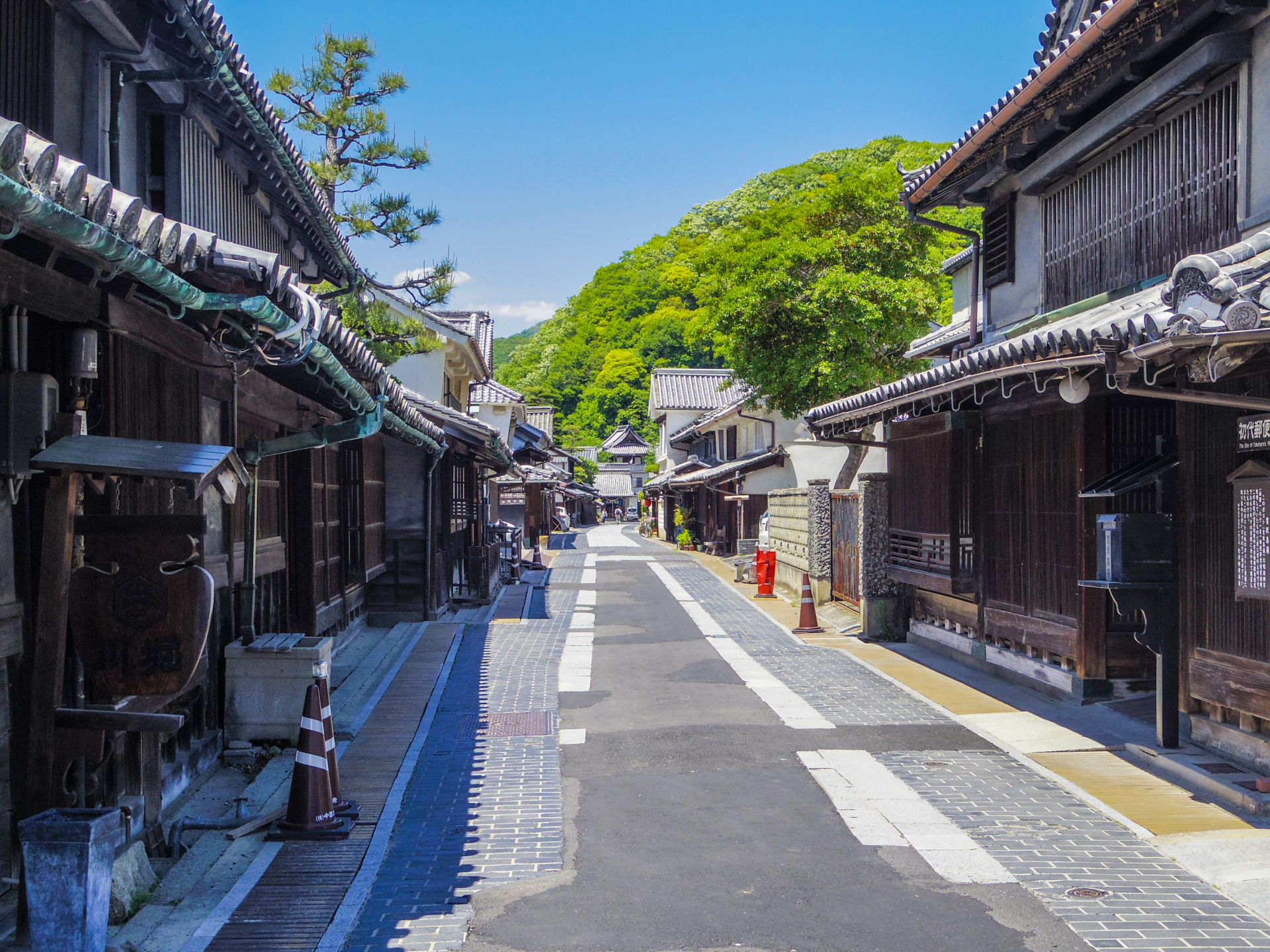
Quick answer: Takehara’s preserved merchant quarter is a quiet, beautifully kept street of old wooden houses, about 70 minutes from Hiroshima by the Kaguya-hime express bus. Walk the townscape, climb to Saihoji Fumeikaku for the view over the rooftops, and taste local sake at Fujii Shuzo (free entry). It pairs perfectly with Rabbit Island (Okunoshima), 15 minutes from nearby Tadanoumi.
Takehara grew rich in the Edo period from salt-making, and its merchants built a street of fine houses that still stands. It’s sometimes called the “Little Kyoto of Aki” (Aki being the old name for western Hiroshima). I’ve walked the old townscape myself, and it’s a peaceful place that many visitors to Hiroshima never hear about.
The preservation district is a short walk from Takehara Station.
Takehara’s old quarter was designated a National Important Preservation District for Groups of Traditional Buildings in 1982. The houses have lattice windows, tiled roofs and white plaster walls. It’s best explored slowly, in the morning or late afternoon.
Highlights:
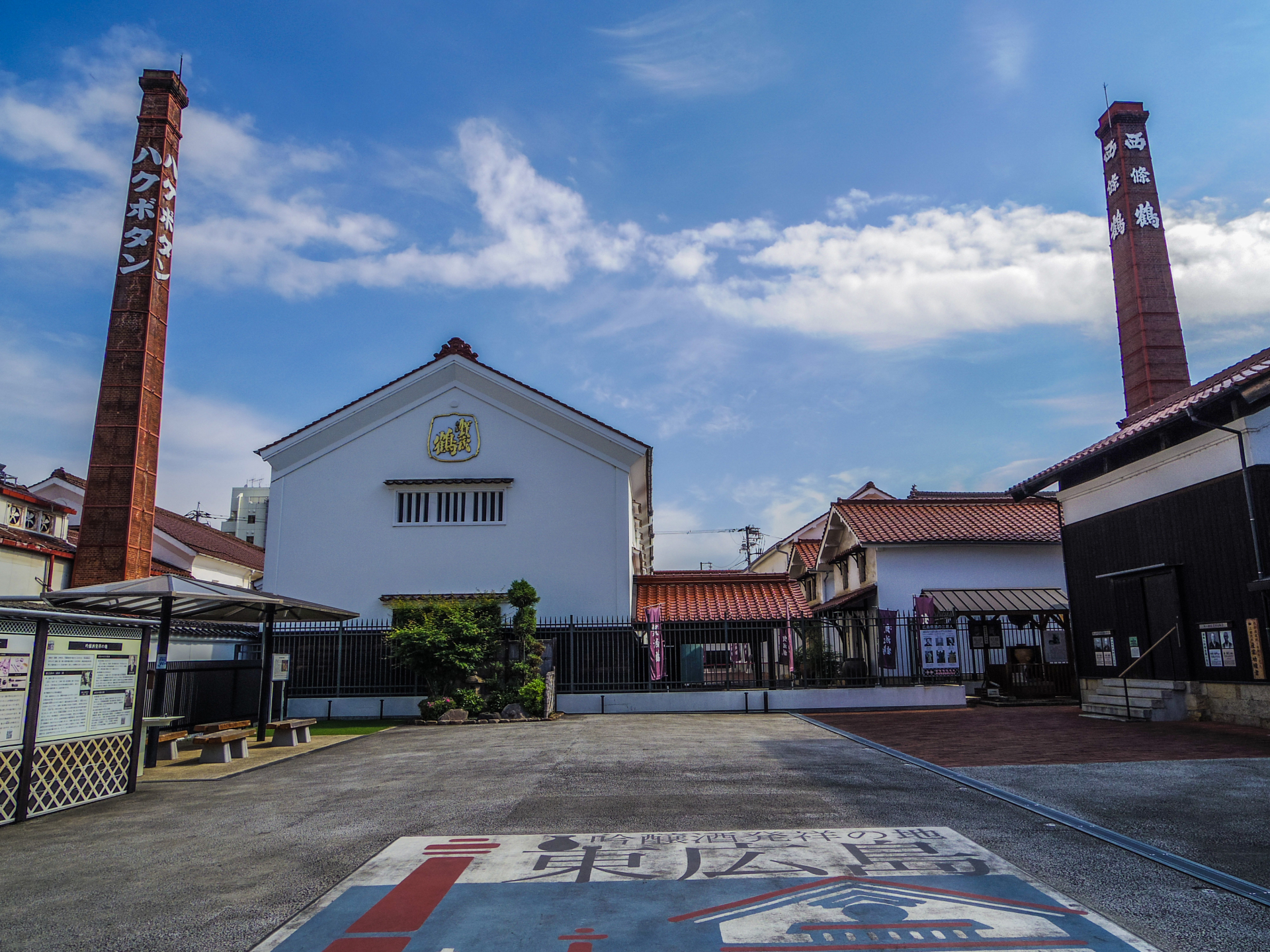
Takehara also has a long brewing history.
If you can’t drive after tasting, take the bus.
On one weekend each autumn, the old streets are lit with about 5,000 bamboo lanterns. In 2026 it’s on 31 October and 1 November, 17:00–21:00. It’s busy but magical — if your dates match, plan your visit around it.
Takehara is right next to Tadanoumi, where ferries leave for Okunoshima (Rabbit Island) — about 15 minutes by boat. Spend the morning on the island and the afternoon in Takehara’s old town, or the other way round. See Rabbit Island.
Two to three hours for the townscape and a brewery. Add Okunoshima for a full day. Many places close one day a week and at New Year, so check before you go.
Is Takehara worth a day trip from Hiroshima?
Yes, especially combined with Rabbit Island.
Is it crowded?
Usually quiet, except during the lantern festival.
Can I get there with a JR Pass?
Yes, on the JR Kure Line, but the express bus is faster and isn’t covered.