Driving to Japan's Ski Resorts in a Rental Car: Winter Tyres, Chains, Chain Restrictions and What I've Learned
Kaz
Setouchi Notes
Quick answer: The fastest way from Tokyo’s airports to Hakuba is the Hokuriku Shinkansen to Nagano (about 1h20 on the Kagayaki), then the Alpico express bus to Hakuba (about 70–75 minutes, ¥3,500). This winter (12 Dec 2026 – 26 Mar 2027) the bus is reservation-only, with booking from 12 November. If you’d rather not change with a ski bag, take a direct airport bus from Narita or Haneda (about 5.5–6.5 hours, one ski bag included) — or the Azusa limited express from Shinjuku, which runs straight to Hakuba Station with no change.
I live in Tokushima and have snowboarded around Kansai for about ten years. Everything below is from official sites and booking pages, checked on 10 November 2026. Where a figure comes from a secondary source, I say so.
| Route | Changes after Tokyo | Time from Tokyo | Cost (one way, approx.) | Good for |
|---|---|---|---|---|
| Shinkansen to Nagano + express bus | 1 (at Nagano) | ~2h50 at best | ¥8,450 (train, reserved) + ¥3,500 (bus) | Speed |
| Azusa limited express from Shinjuku | None | 3h40 | Check JR fares | No changes with a ski bag |
| Direct airport bus | None (from the airport) | 5.5–6.5 h from the airport | From ¥8,704 (Haneda) | Arriving with lots of luggage |
| Highway bus from Shinjuku | None | ~5h15 | ~¥3,700 | Budget |
| Car | — | ~4 h | Tolls + fuel + rental | Groups, flexibility |
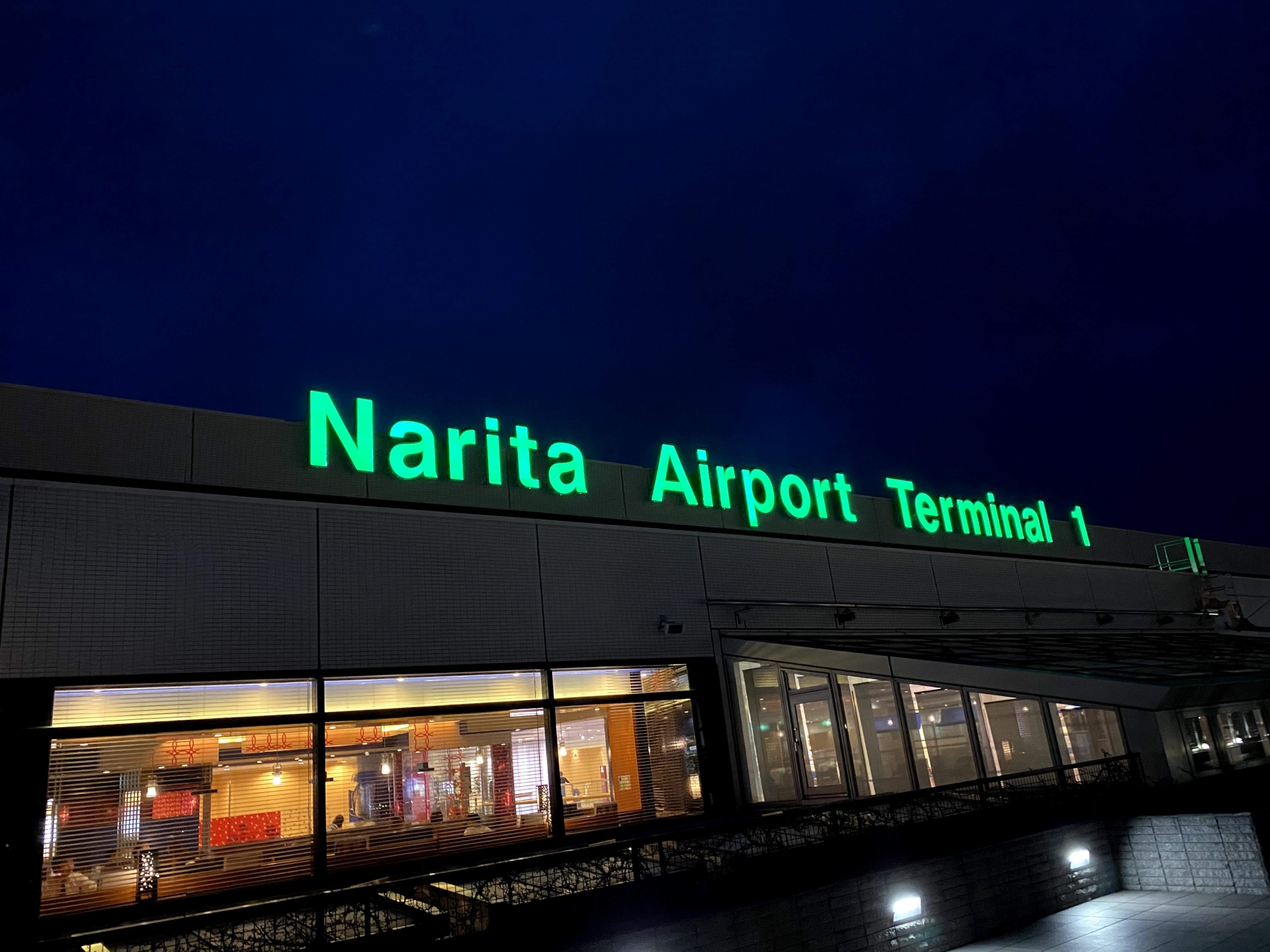
Unless you take a direct airport bus, you’ll start by getting into the city.
If you land late in the day, it’s usually easier to stay one night in Tokyo and travel to Hakuba the next morning.
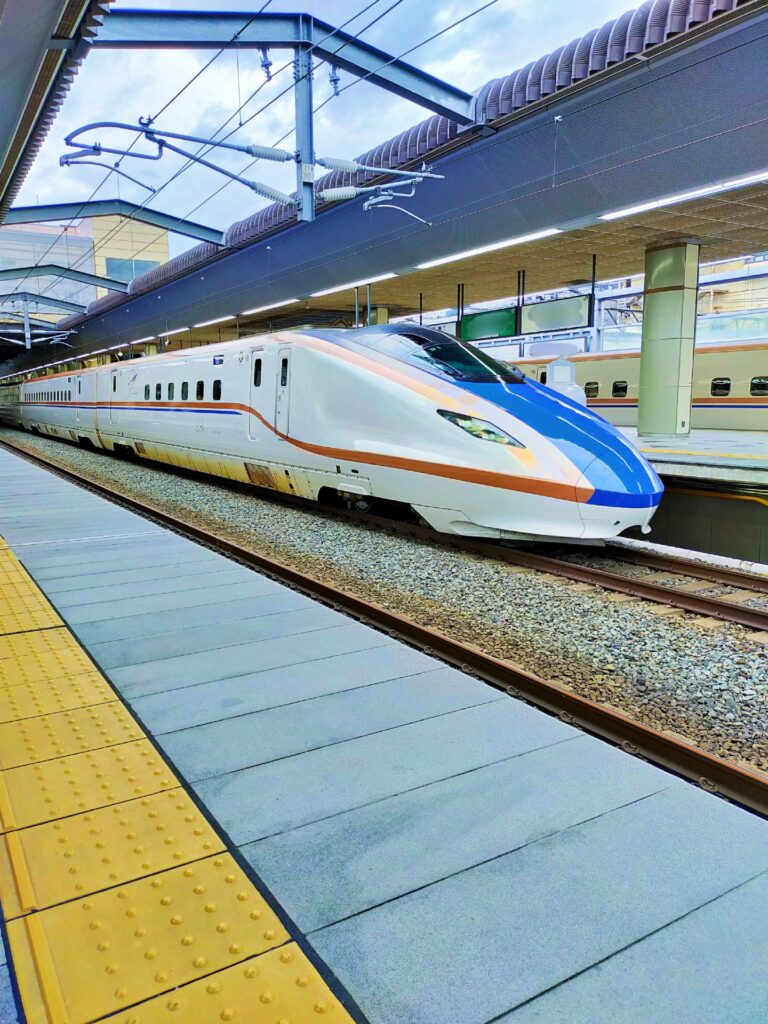
The train: The Hokuriku Shinkansen runs from Tokyo Station to Nagano. The fastest train, the Kagayaki, takes about 1 hour 20 minutes and is reserved-seat only. Fares are about ¥8,450 reserved or ¥7,920 unreserved; booking 14 days or more ahead on JR East’s Eki-net (“Toku-da-ne 14”) brings a reserved seat down to about ¥5,760 (fares as of April 2026, from a fare guide — check when you book).
Your ski bag on the Shinkansen: On the Hokuriku Shinkansen, the luggage areas are free and need no reservation, according to JR East. You can bring up to two pieces, each up to 250 cm in total (length up to 2 m) and 30 kg. Skis and snowboards are allowed even if they’re longer, as long as they’re in a bag and you can hold them upright in the car. JR East warns that in ski season the space can run out, so you may end up with your bag at your feet. (The oversized-baggage seat reservation you may have read about applies on the Tokaido, Sanyo and Kyushu Shinkansen — not this line.)
The bus: From Nagano Station’s East Exit, Alpico runs the express bus to Hakuba — about 70–75 minutes to Hakuba Happo Bus Terminal.
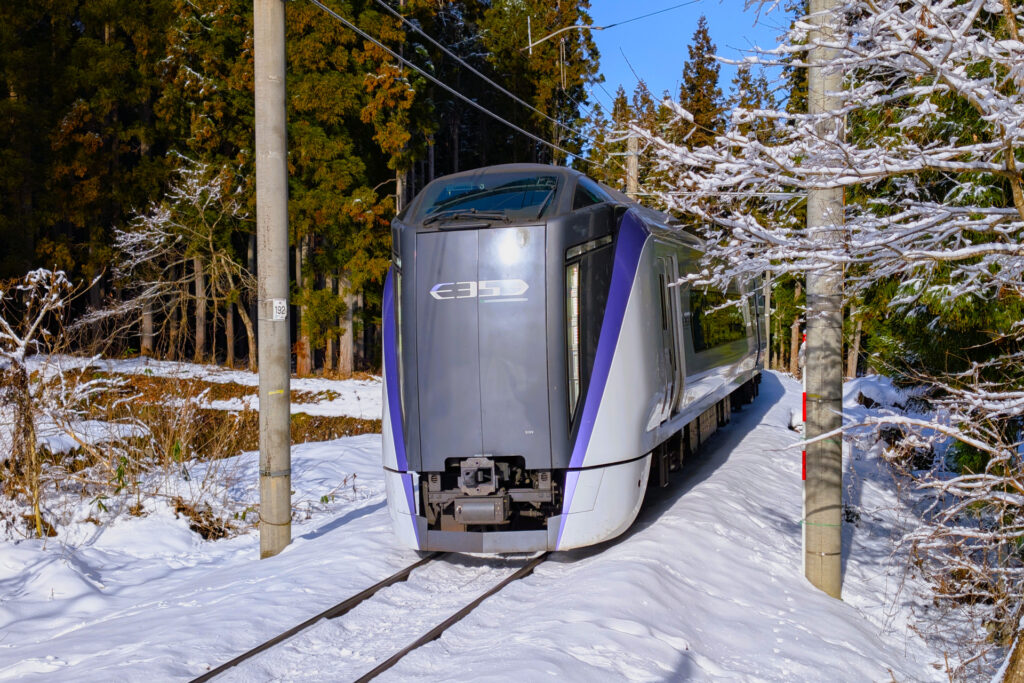
JR East’s Limited Express Azusa runs from Shinjuku straight to Hakuba Station:
It’s slower than the Shinkansen + bus, but with a ski bag, not changing trains is worth a lot. The JR EAST PASS covers this route. From Hakuba Station, check with your hotel how best to get there — bus, taxi or a hotel pick-up.
Several companies run seasonal buses straight from Narita and Haneda to Hakuba’s resorts and hotels. The two I found:
Neither booking page names the bus company that actually runs the service, so read your confirmation carefully. These buses are the easiest option if you land with a lot of luggage — but leave a generous buffer between your flight and the bus.
Keio Bus runs from Busta Shinjuku to Hakuba, stopping at Hakuba Goryu, Hakuba Happo, Iwatake and Tsugaike Kogen, among others. The guide fare is about ¥3,700, and the trip to Hakuba Happo takes about 5 hours 15 minutes. Check the luggage rules when you book: Alpico, which runs Hakuba’s bus terminal, accepts skis and boards in the trunk on its own daytime highway buses, but says rules can differ on routes it shares with other companies.
From Tokyo it’s about 4 hours: exit the Joshin-etsu Expressway at Nagano IC (then about 60 minutes) or the Nagano Expressway at Azumino IC (about 70 minutes).
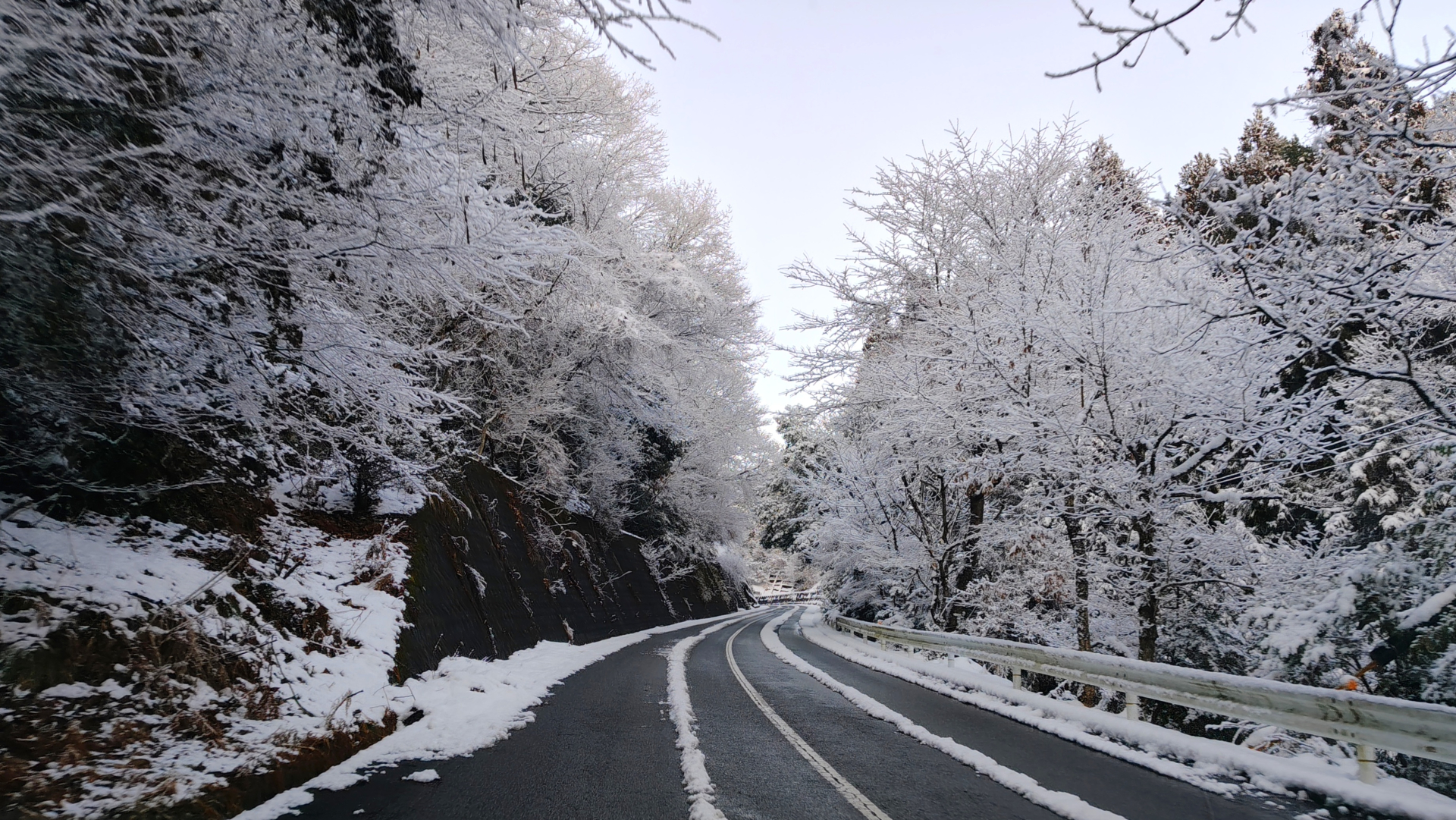
I’ve driven to ski areas in western Japan for years: you need winter tyres, chains in the car, and time to spare for chain restrictions or closures. If you rent, you’ll also need an International Driving Permit. There’s more in the driving section of Ski Resorts Near Osaka and Kansai Airport.
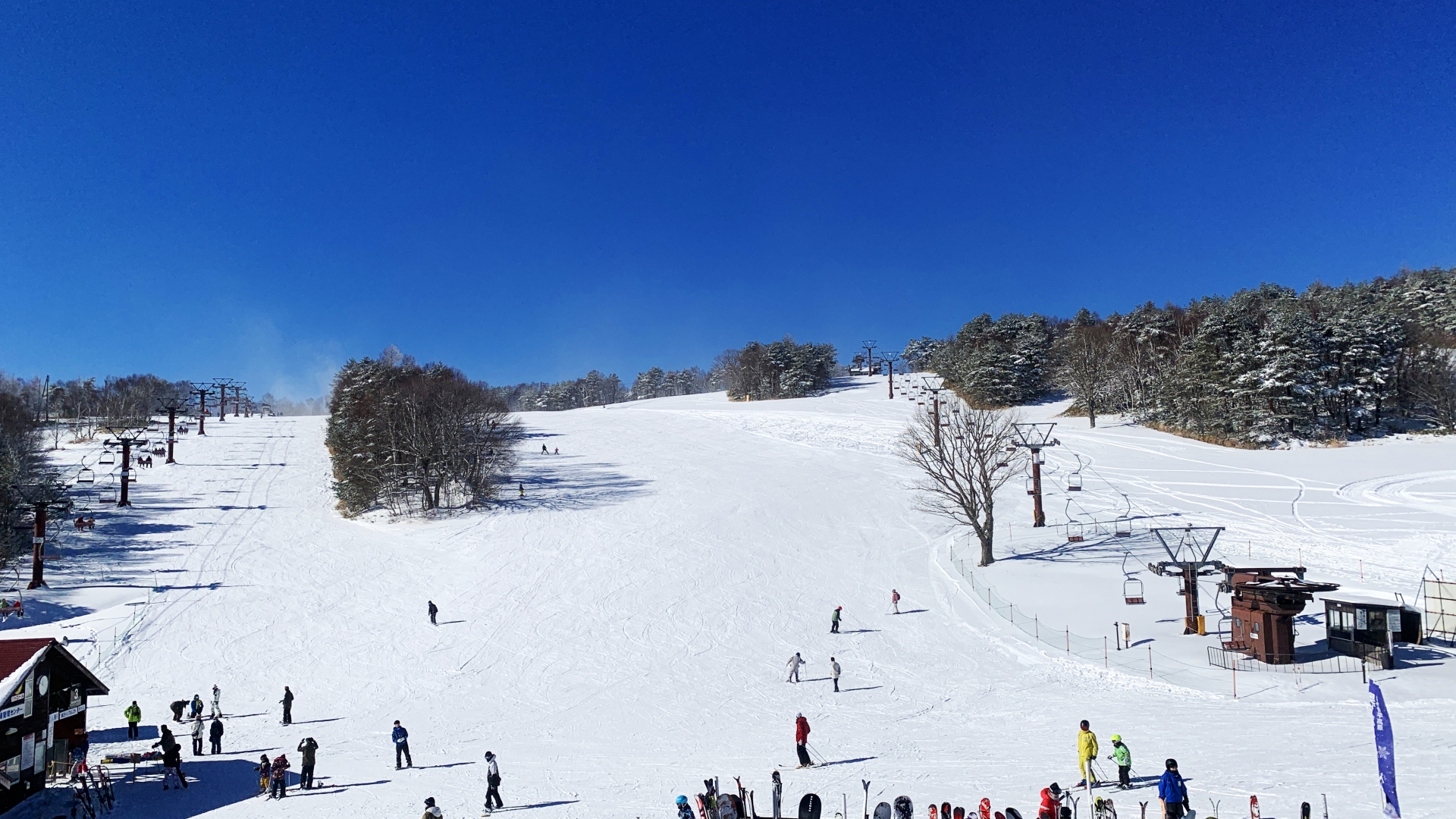
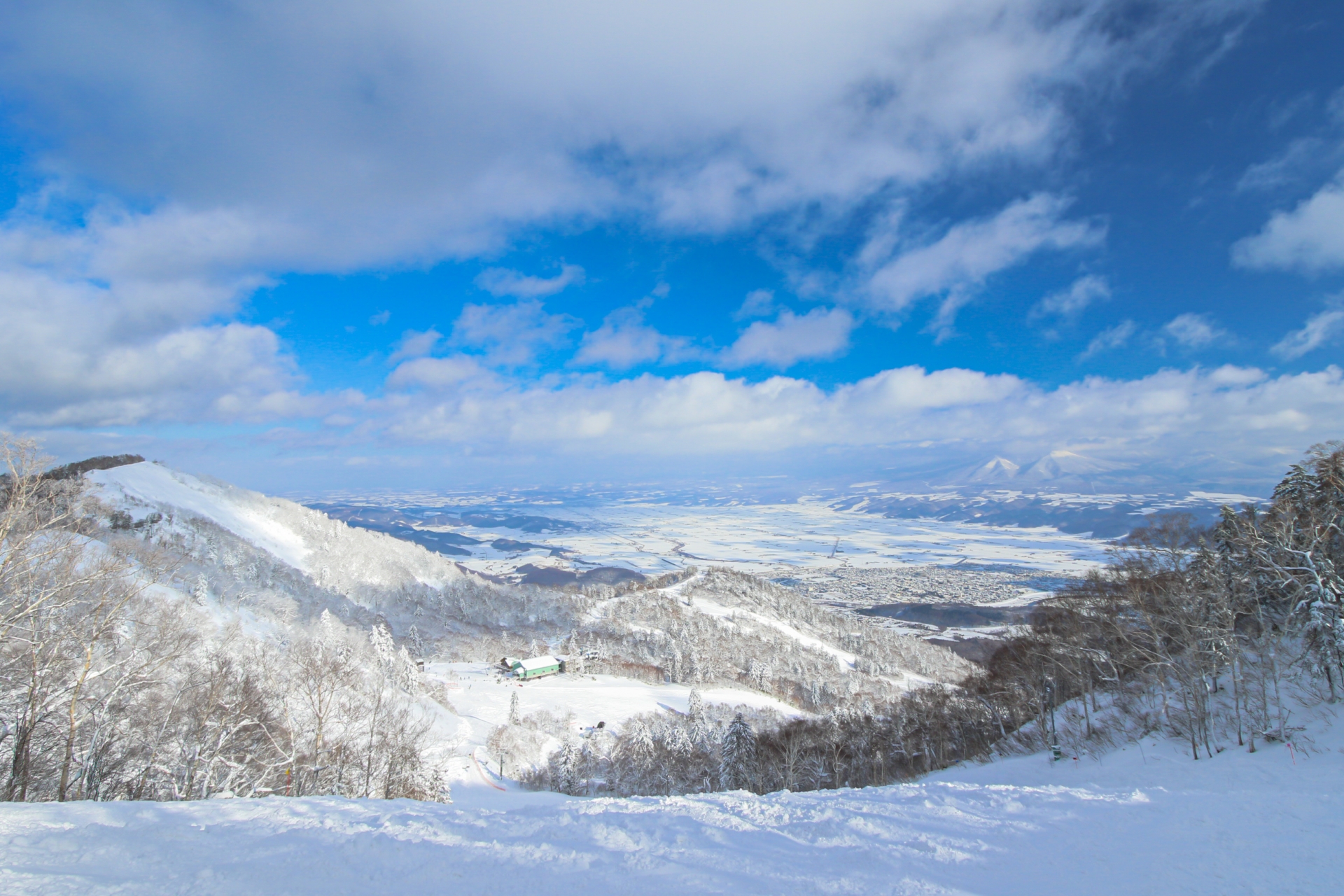
Hakuba is a valley of several ski resorts. The Hakuba Valley Shuttle Bus connects them — check the timetable on the Hakuba Valley website before you choose where to stay. The Alpico express bus and the airport buses stop at several points in the valley, so pick the stop closest to your hotel when you book.
What’s the fastest way from Tokyo to Hakuba?
Shinkansen to Nagano, then the Alpico express bus: about 2 hours 50 minutes at best, according to Hakuba Valley.
Do I need to reserve the Nagano–Hakuba bus?
Yes, this winter (12 Dec 2026 – 26 Mar 2027). Booking opens on 12 November 2026.
Can I take skis or a snowboard on the Shinkansen?
Yes. On the Hokuriku Shinkansen, put them in a bag and use the free luggage areas — no reservation needed. Up to two pieces per person.
Is there a direct train?
Yes — the Azusa limited express from Shinjuku to Hakuba Station (Azusa 5 daily, plus the seasonal Azusa 83 “Hakuba Express”).
Is there a direct bus from Narita or Haneda?
Yes, seasonal airport buses run in winter. Expect 5.5–6.5 hours.