New Chitose Airport to Niseko: Ski Bus, Train, Private Transfer or Rental Car (2026–27)
Kaz
Setouchi Notes
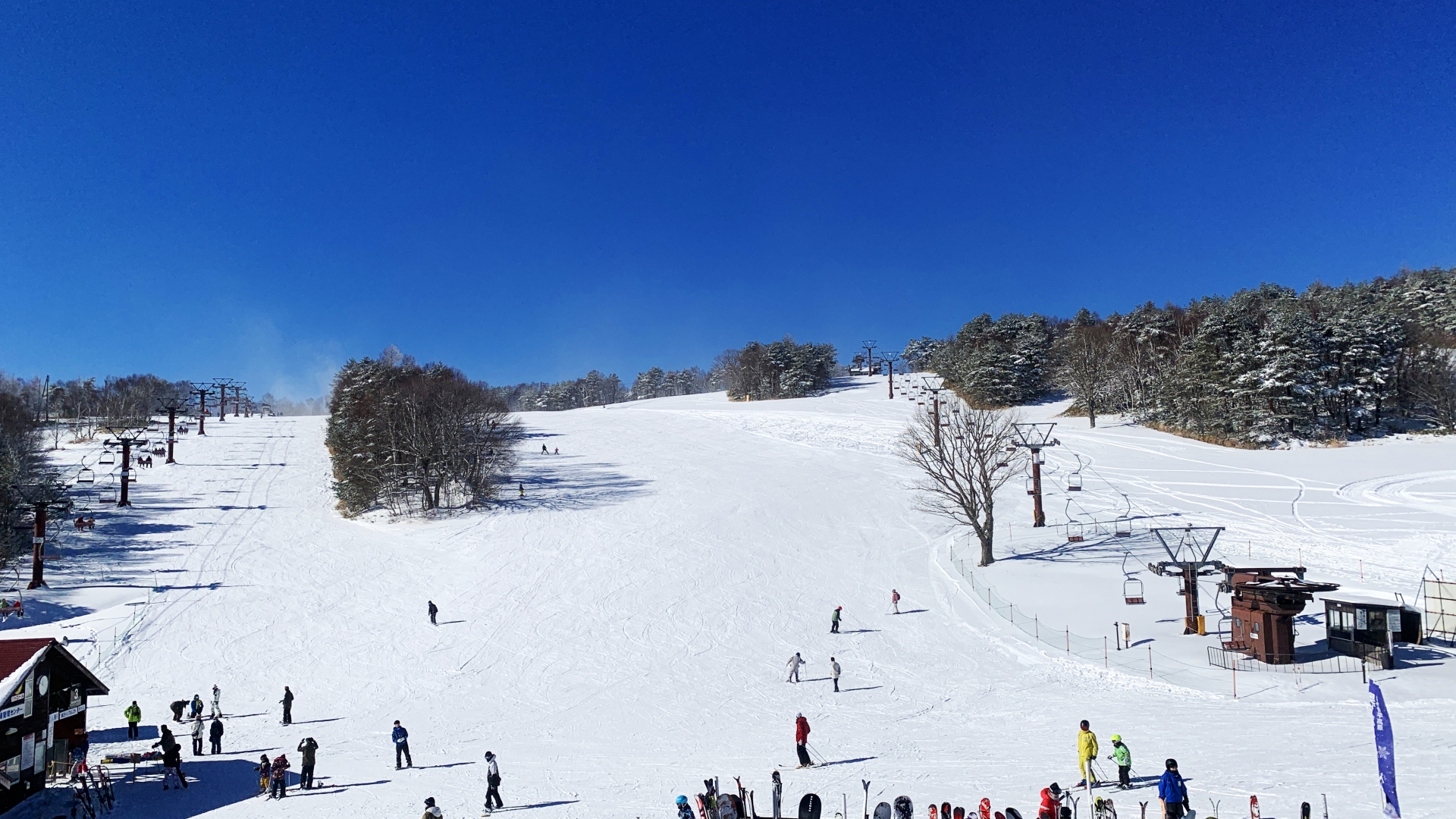
Quick answer: For 2026–27, an adult 1-day lift ticket in Japan ranges from about ¥6,000 at smaller resorts near Osaka to ¥11,100 in Hakuba and ¥13,500 in Niseko at peak season. Renting skis or a snowboard costs around ¥5,500–6,500 a day, plus about ¥5,000–5,500 for wear. Buy lift tickets online and early — early-bird prices can be well below the counter price. And get travel insurance that clearly covers skiing or snowboarding: Japan’s tourism organisation strongly recommends it, and medical bills for visitors can run into the millions of yen.
I live in Tokushima and have snowboarded for about ten years, mostly around Kansai. I usually buy my lift tickets online with an early-bird discount. Prices below are from the resorts’ official sites, checked on 11 November 2026, unless I say otherwise.
| Resort | Region | 1-day adult ticket | Notes |
|---|---|---|---|
| Hachi Kogen & Hachi-Kita | Hyogo (near Osaka) | ¥6,000 | Weekdays ¥5,000; early-bird ¥4,800 online until 13 Dec |
| Dynaland & Takasu | Gifu | ¥6,400 | Shared ticket for both |
| GALA Yuzawa | Niigata (from Tokyo) | ¥8,000 | ¥7,500 online; early-bird ¥4,800 until 30 Nov |
| Karuizawa Prince | Nagano (from Tokyo) | about ¥10,000–13,000 | Depends on the date (from a travel guide, not the resort) |
| Hakuba Valley (All-Mountain) | Nagano | ¥11,100 | Child (6–12) ¥6,400; under 6 free |
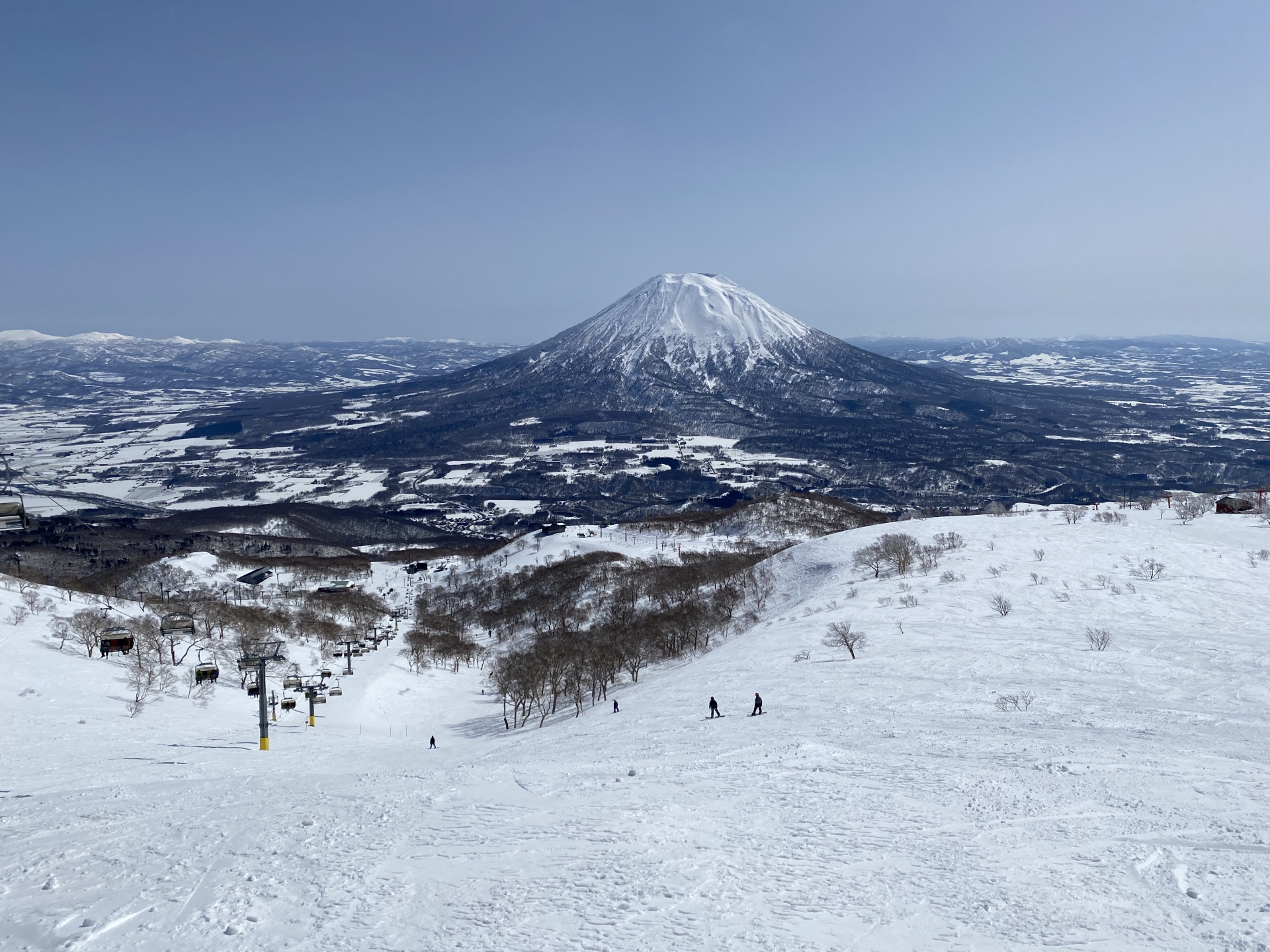
| Niseko United (All Mountain) | Hokkaido | ¥8,800–13,500 | ¥13,500 at peak, 24 Dec – 28 Feb |
The pattern is clear: the big-name resorts cost about twice as much as the smaller ones near Osaka, and peak season (Christmas to the end of February) is the most expensive.
| Resort | Ski or snowboard set | Wear (jacket + pants) | Full set |
|---|---|---|---|
| Takasu Snow Park (2026–27) | ¥5,500 | ¥5,000 | ¥12,900 (board/skis + wear) |
| GALA Yuzawa (rental page) | ¥6,500 | ¥5,500 | — |
So renting everything for a day costs around ¥12,000–13,000 on top of your lift ticket. If you’re skiing several days, bringing your own gear may work out cheaper — see Skis and Snowboards on Japan’s Trains, or Ship Them Ahead? for how to transport it.
Transport costs depend on where you ski. The guides in this series have the details:
| Dynaland & Takasu (Gifu) | GALA Yuzawa (Niigata) | |
|---|---|---|
| Lift ticket | ¥6,400 | ¥7,500 (online) |
| Rental (board/skis + wear) | ¥12,900 (full set) | ¥12,000 (¥6,500 + ¥5,500) |
| Total, before transport and food | ¥19,300 | ¥19,500 |
With your own gear, the same day costs just the lift ticket.
Japan’s national tourism organisation (JNTO) says it strongly recommends that all travellers get travel insurance. About one in twenty travellers gets sick or injured on a trip abroad, according to a Japan Tourism Agency survey it cites. Medical care in Japan is good, but treatment can be expensive: JNTO gives examples of ¥7.5 million for a bicycle collision with a collapsed lung and broken ribs (including surgery, 19 days in hospital and a flight home) and ¥10 million for a heart attack.
When you choose a policy, check:
You can also buy insurance after arriving in Japan, according to JNTO — some policies offer cover of up to ¥10 million with interpretation and help finding a hospital.
Two more reasons to take this seriously:
How much is a lift ticket in Japan?
For 2026–27, about ¥6,000–6,400 at smaller resorts near Osaka, ¥8,000 at GALA Yuzawa, ¥11,100 for the Hakuba Valley pass and up to ¥13,500 in Niseko at peak.
How can I save on lift tickets?
Buy online, early: early-bird tickets at Hachi and GALA Yuzawa are ¥4,800. Go outside peak season, and look for weekday prices.
How much does rental cost?
Around ¥5,500–6,500 for skis or a snowboard, and ¥5,000–5,500 for wear, per day.
Do I need travel insurance to ski in Japan?
It isn’t compulsory, but JNTO strongly recommends it. Make sure your policy covers skiing or snowboarding, and injury to other people.