Taishakukyo Gorge in 2026: What's Open (Ohashi Is Closed), the Lake Shinryu Boat, Bihoku Hillside Park and Shobara-yaki
Kai
Setouchi Notes
Quick answer: Get to JR Tadanoumi Station (Shinkansen from Hiroshima to Mihara, then the JR Kure Line), walk a few minutes to Tadanoumi Port, and take the 15-minute boat to the island. Adult fare is ¥360 one way, cash only. Boats run roughly every 30–45 minutes from early morning to early evening. Don’t hold or chase the rabbits, and never feed them human food.
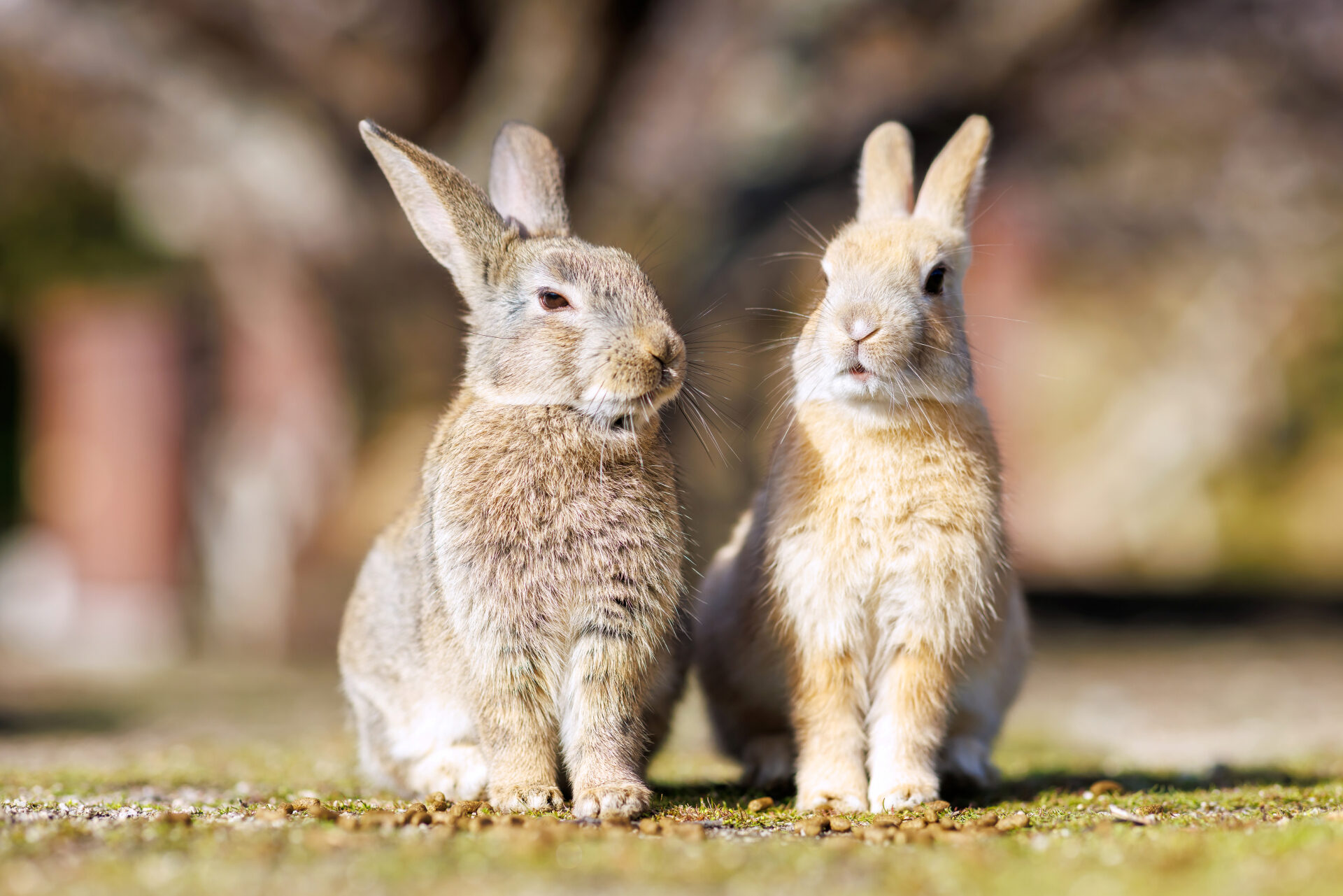
Okunoshima is a small island in the Seto Inland Sea, about 4 km around, off the coast of Takehara in eastern Hiroshima Prefecture. Hundreds of wild rabbits live there, which is why everyone calls it “Rabbit Island.” It also has a darker side: during the war it was a secret poison gas factory, and a small museum on the island tells that story.
It makes an easy day trip from Hiroshima city. This guide covers how to get there, the ferry, the rules for the rabbits, and what else is on the island.
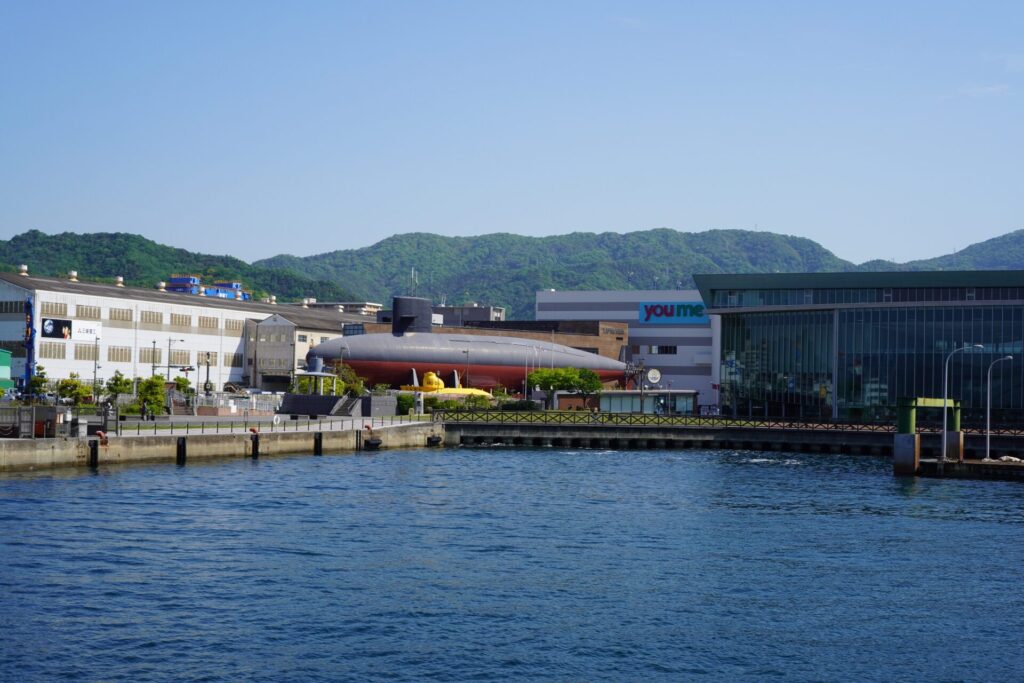
Everything starts at JR Tadanoumi Station (忠海駅) on the JR Kure Line. From there, Tadanoumi Port is a short walk: the port says about 3 minutes, the island hotel says about 7.
Option 1: Shinkansen + Kure Line (fastest) – Take a Sanyo Shinkansen Kodama from Hiroshima Station to Mihara Station. All Kodama trains stop there. – Change to the JR Kure Line and ride about 20–25 minutes to Tadanoumi. The line runs along the coast, so sit on the sea side if you can.
Option 2: Highway bus – The Geiyo Bus “Kaguyahime” (かぐや姫号) runs from Hiroshima Bus Center, via Hiroshima Station, to JR Tadanoumi Station. It takes about 90–100 minutes.
Option 3: All the way on the Kure Line – The JR Kure Line also connects Hiroshima with Tadanoumi the long way round, via Kure, along the coast. It is slow but scenic. Check the latest timetable, as trains are not frequent.
Japan Rail Pass: valid as far as Tadanoumi Station. It does not cover the boat to the island.
By car: Tadanoumi Port has a free public car park (about 200 spaces). It fills up in the morning in busy seasons, so arrive early or come by train. Driving on the island itself is not allowed except in special cases you arrange at the port.
Two kinds of boats run from Tadanoumi Port to the island: the Kyukamura passenger boat and the Omishima Ferry (大三島フェリー), which carries cars and continues on to Omishima Island in Ehime. Either way, the crossing to Okunoshima takes about 15 minutes.
Fares (one way, Tadanoumi ⇔ Okunoshima): – Adults (junior high school age and up): ¥360 (¥720 return) – Children (elementary school age): ¥180 (¥360 return) – One preschool child travels free with each paying adult – Bicycles: ¥120 one way
Fares from the port’s official fare table. Check before you go.
Tickets: buy them at the ticket counter in Tadanoumi Port. The port says cash (yen) only.
Timetable: according to the port timetable (last revised October 2025): – Boats leave Tadanoumi roughly every 30–45 minutes, with the first boat to the island in the early morning (07:40 in the current timetable). – The last boat to the island leaves Tadanoumi at 18:40, and the last boat back leaves the island at 19:15. – Some sailings run only on weekends and holidays, and from 1 November to 31 January one afternoon ferry does not stop at the island.
Times can change without notice, so check the latest timetable on the official port site (rabbit-island.info) on the day you travel. Boats may also be cancelled in bad weather.
Note: There is also a ferry from Sakari Port on Omishima (handy if you are cycling the Shimanami Kaido), though not every sailing stops at Okunoshima. The weekend fast boat from Mihara Port was reported suspended in 2026, so don’t count on it. Check the operators for times.
Luggage: Tadanoumi Port stores bags for ¥500 per bag per day during ferry hours. On the island, there are coin lockers in the waiting room at the No. 2 pier.
The boat arrives at the pier, and a free shuttle bus runs from there to the hotel (Kyukamura Ohkunoshima). No reservation is needed, and day visitors can use it too. You can also walk to the hotel along the shore in about 15 minutes. Rabbits are everywhere along the way.
Bicycles can be rented on the island, and there is a cycling road around the coast. Ride slowly: rabbits often run onto the road.
The rabbits are wild animals. The port and the hotel both publish a list of requests. In short:
The rabbit population has fallen sharply: from over 900 in 2018 to about 450 in a 2025 survey. The rabbits are protected under Japan’s Animal Welfare Act, and in the winter of 2024–25 a man was arrested after many rabbits were found dead. Researchers have also linked uncontrolled feeding by tourists to wild boars coming near the pier. Feeding is still allowed, but the authorities are discussing limits on the type and amount of food and where you can feed, so read the signs at the port.
What about food? Rabbit food is not sold on the island, so buy it before you board. The port shop sells rabbit food. According to the port, the rabbits tend to prefer dry pellets in the morning and fresh vegetables in the afternoon.
From 1929 to 1945, the former Imperial Japanese Army made poison gas on Okunoshima in secret. The island was even left off maps. Workers were sworn to secrecy and worked in dangerous conditions, with protective gear that did not fully keep out the gas.
The Okunoshima Poison Gas Museum (大久野島毒ガス資料館), run by Takehara City, opened in 1988. It displays records from that time to show the cruelty of war and to call for the abolition of poison gas weapons and for lasting peace. Ruins of the old factory buildings, a power station and gun batteries from earlier wars still stand around the island.
From the Takehara City website. The museum was temporarily closed for part of summer 2026, so check before you go.
It is a small museum and doesn’t take long, but it gives the island a lot more meaning. The shuttle bus passes it, and you can ask the driver to stop.
The only hotel on the island is Kyukamura Ohkunoshima (休暇村大久野島), a national park resort hotel with a restaurant and hot spring bath. Rabbits are most active in the early morning and evening, so an overnight stay lets you see the island after the day visitors leave. The hotel fills up in busy seasons, so book early.
The hotel details here come from the official site. Prices vary by date and plan; check the official site or a booking site for current rates.
Day visitors can also use the hotel’s hot spring bath (¥550 for adults; shorter hours on weekends and holidays).
How long does it take to get from Hiroshima to Okunoshima? It depends mostly on connections at Mihara and at the port. The Kure Line leg is about 20–25 minutes and the boat about 15 minutes; use a route planner with the latest timetables to plan the whole trip.
Can I use my JR Pass? Yes, as far as Tadanoumi Station. The boat is not covered.
Can I buy rabbit food on the island? No. Buy it at Tadanoumi Port or bring suitable food (pellets or vegetables) yourself. Never give bread, snacks or potatoes.
Can I bring my dog? No. Pets are not allowed on the island.
Is it a good day trip? Yes. Most visitors come for the day. Stay overnight if you want quiet mornings and evenings with the rabbits.