Tomonoura Guide: Hiroshima's Old Harbour Town in Half a Day (Getting There, Parking and Sunset)
Kai
Setouchi Notes
Quick answer: On your second day, see the Peace Memorial Museum early (book a timed web ticket) if you didn’t on day one, then walk to Hiroshima Castle’s grounds (the keep itself closed in March 2026) and Shukkeien Garden. Spend the evening eating your way through Hondori and Hatchobori: spicy tsukemen, soupless tantanmen, and okonomiyaki with oysters in season. Or use day 2 for a day trip: Miyajima, Kure, Onomichi or Rabbit Island.
My family is from Hiroshima, I’ve lived there, and I still go back three or more times a year. Most visitors give Hiroshima one day: the Atomic Bomb Dome, the Peace Park and the museum, then on to Miyajima. That’s understandable, but the city has more to offer — especially when it comes to food.
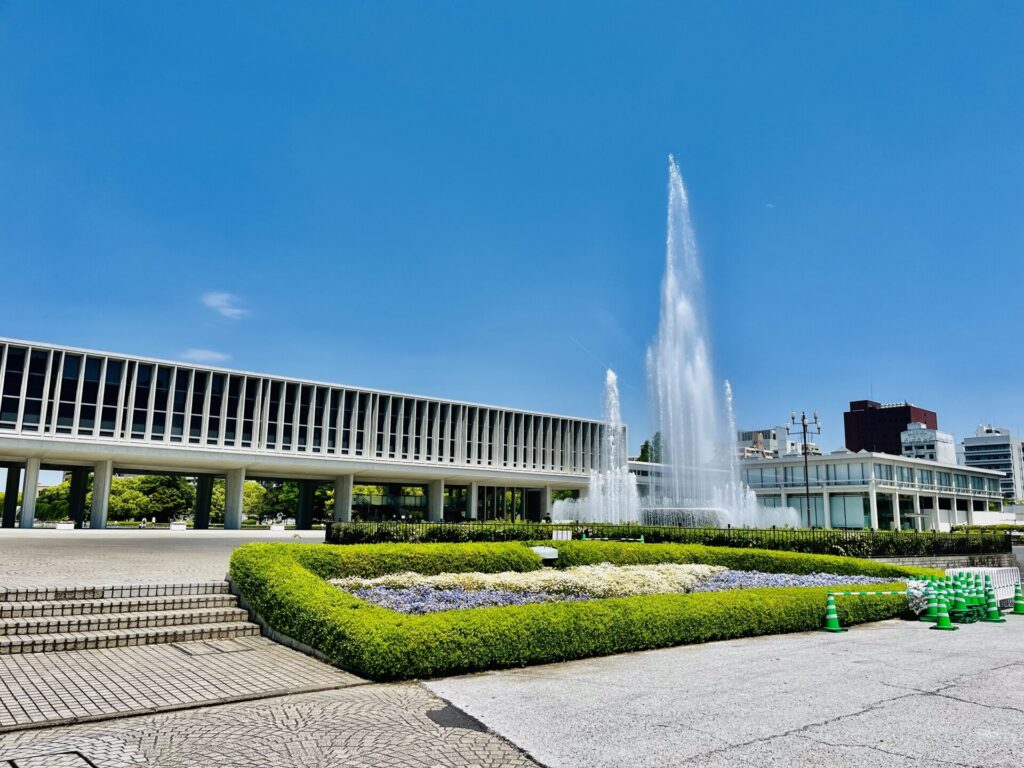
Don’t skip it. It’s one of the most important museums in Japan, and it’s busy.
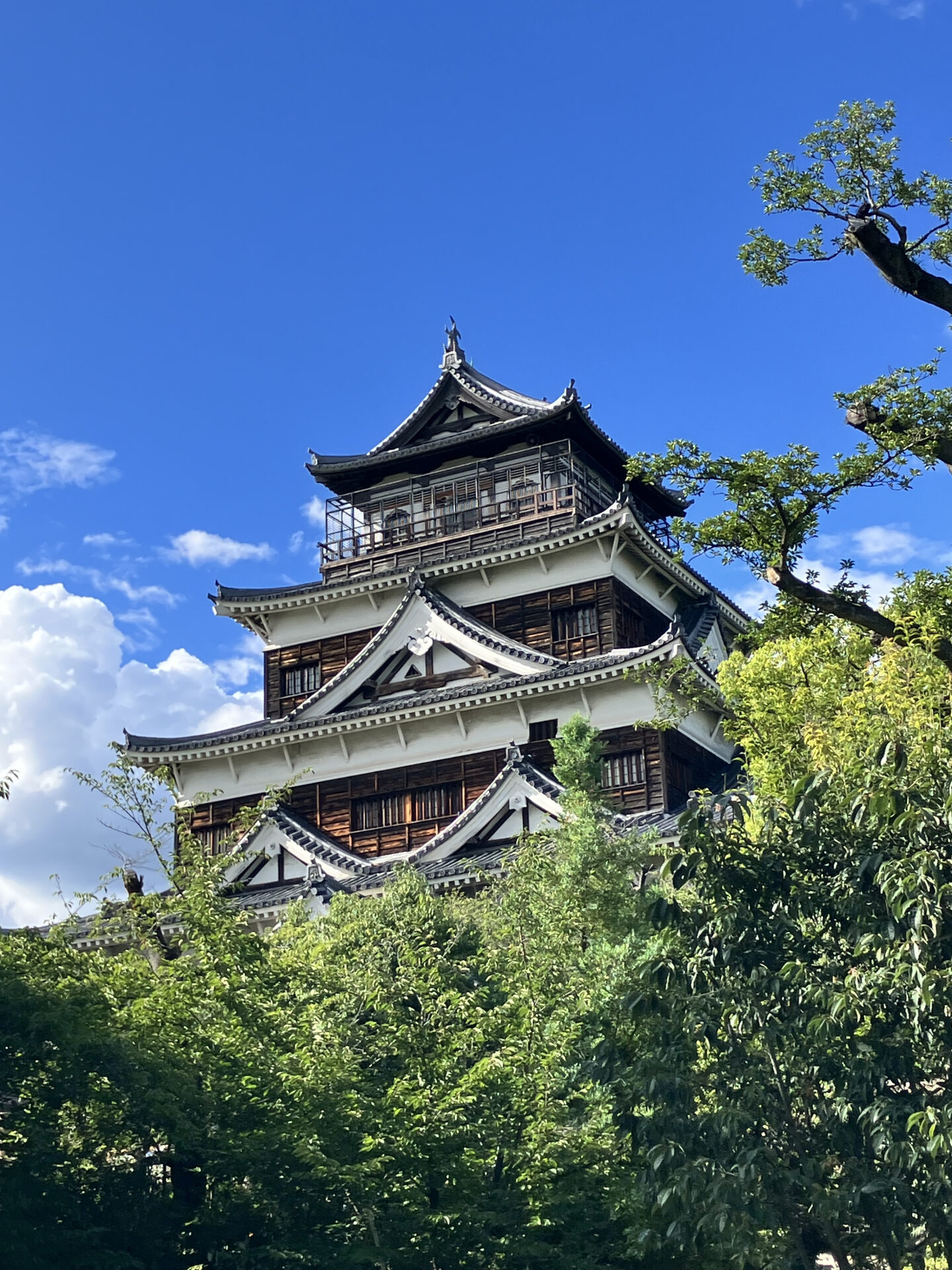
Within walking distance north of the Peace Park. The original castle was destroyed by the atomic bomb; the keep you see was rebuilt in concrete in 1958.
Important for 2026: the keep closed to visitors on 22 March 2026 because the building has aged and isn’t safe inside. You can still see it from outside, and the city is studying rebuilding it in wood — but nothing has been decided.
What you can still visit:
It’s a pleasant, quiet walk, especially in the morning.
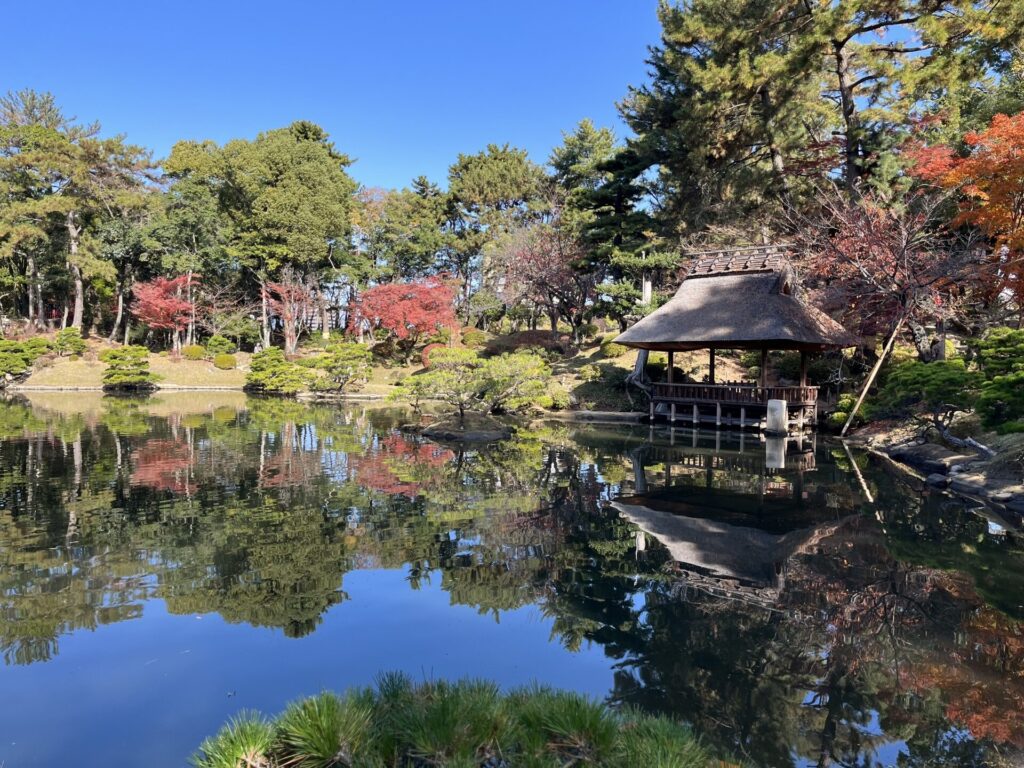
A traditional Japanese garden around a pond, with small bridges, tea houses and paths designed to show miniature landscapes. Beautiful in autumn colours.
Combine it with the castle — they’re close to each other.
This is the part I’d tell any friend not to miss. Hondori is a covered shopping arcade (about 580 m) that runs east from the Peace Park towards Hatchobori, the department-store district. It’s lined with shops, cafés and places to eat, and walking and snacking along here is what I recommend to anyone.
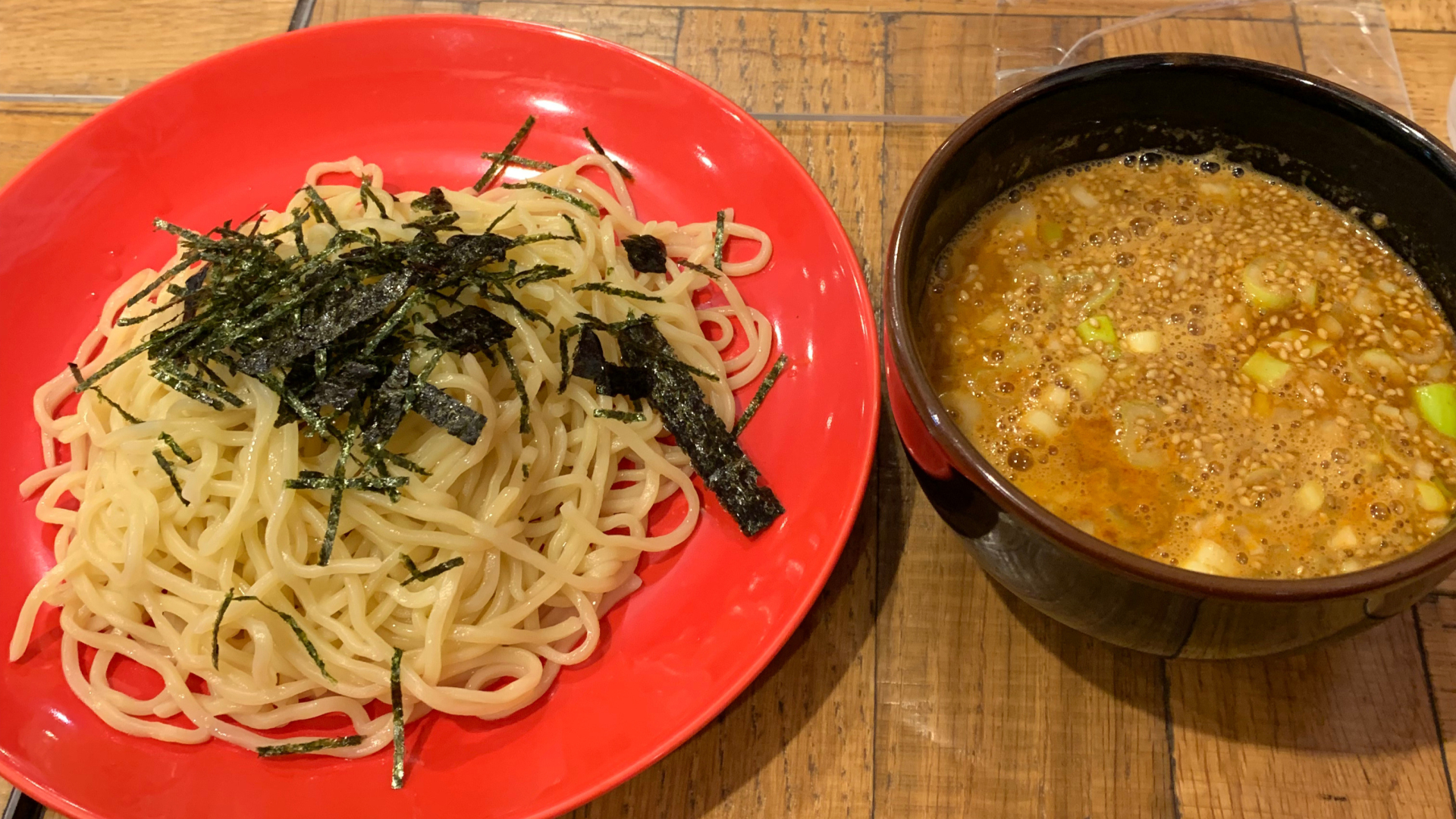
Not the thick, warm dipping ramen you might know from Tokyo. Hiroshima tsukemen are cold noodles with a very spicy sauce of chili oil, vinegar, sesame and soy, served with boiled cabbage, cucumber and green onion. You choose how spicy (see Hiroshima Tsukemen and Soupless Tantanmen). Start low — the “normal” level is already hot.
Noodles with a numbing Sichuan-pepper sauce at the bottom of the bowl and no soup. Stir it 20–30 times before eating so the sauce coats every noodle. When you’ve finished, order a small bowl of rice to mix with what’s left.
Hiroshima-style okonomiyaki is layered: batter, cabbage, pork, noodles and egg. In oyster season, many shops offer oysters as a topping — the version I always recommend. See my okonomiyaki guide.
A bakery inside a building that survived the atomic bomb, 360 m from the hypocenter. It was built as a bank in 1925 and reopened after renovation in 2020. Part of the original wall was kept. Downstairs is a big bakery and deli (10:00–19:30); upstairs is a restaurant. It’s one of my top recommendations in the city, and it’s right on Hondori.
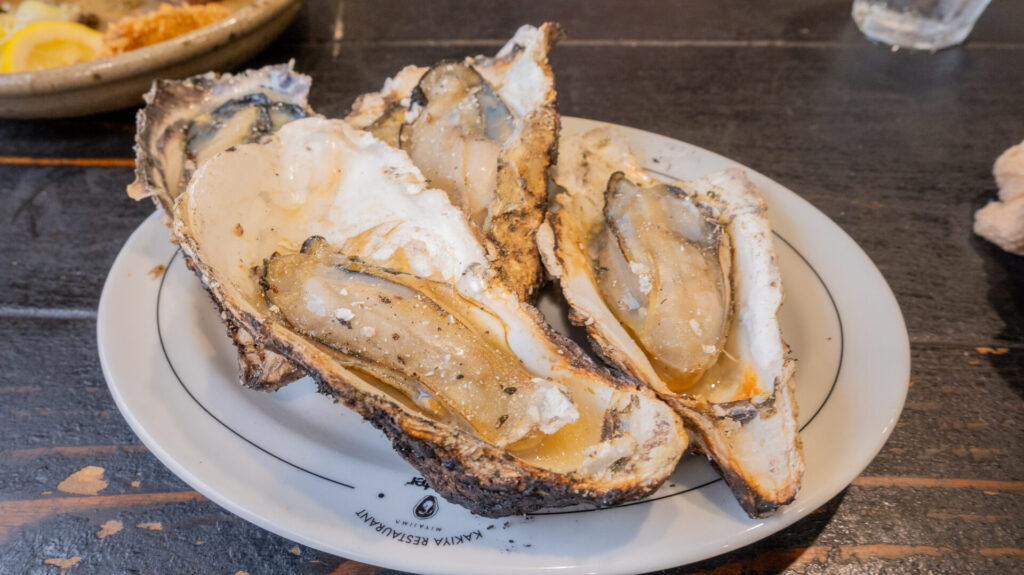
Hiroshima produces about 60% of Japan’s farmed oysters, and you can eat them grilled in the shell, fried, in hot pots, on rice or in okonomiyaki. I eat them in all sorts of ways: grilled at the stalls on Miyajima’s main shopping street, as oyster fry at restaurants in the city, and at seasonal oyster huts (kaki-goya) where you grill them yourself.
But be aware: Hiroshima’s oysters have had two bad seasons in a row. In 2025, many farms lost most of their oysters before harvest, and in October 2026 a prefectural survey again found high death rates. Shipments this season are expected to start later than usual, from November.
I’ve been to almost every corner of Hiroshima Prefecture. These are the easiest from the city:
| Where | Why go | From Hiroshima Station |
|---|---|---|
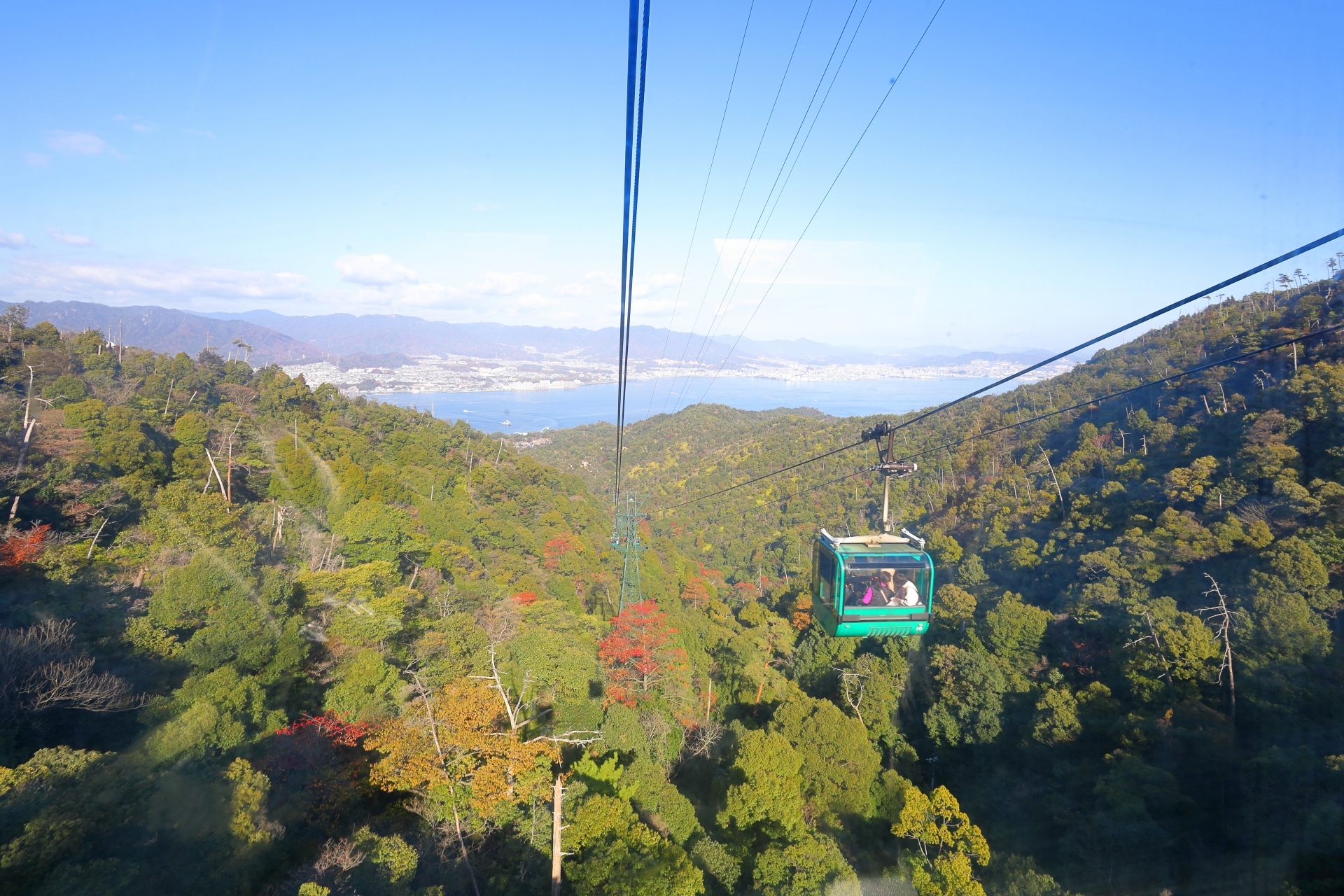
| Miyajima | The floating torii and the island’s shrine | Train + ferry, about 1 hour. See my Miyajima guide. |
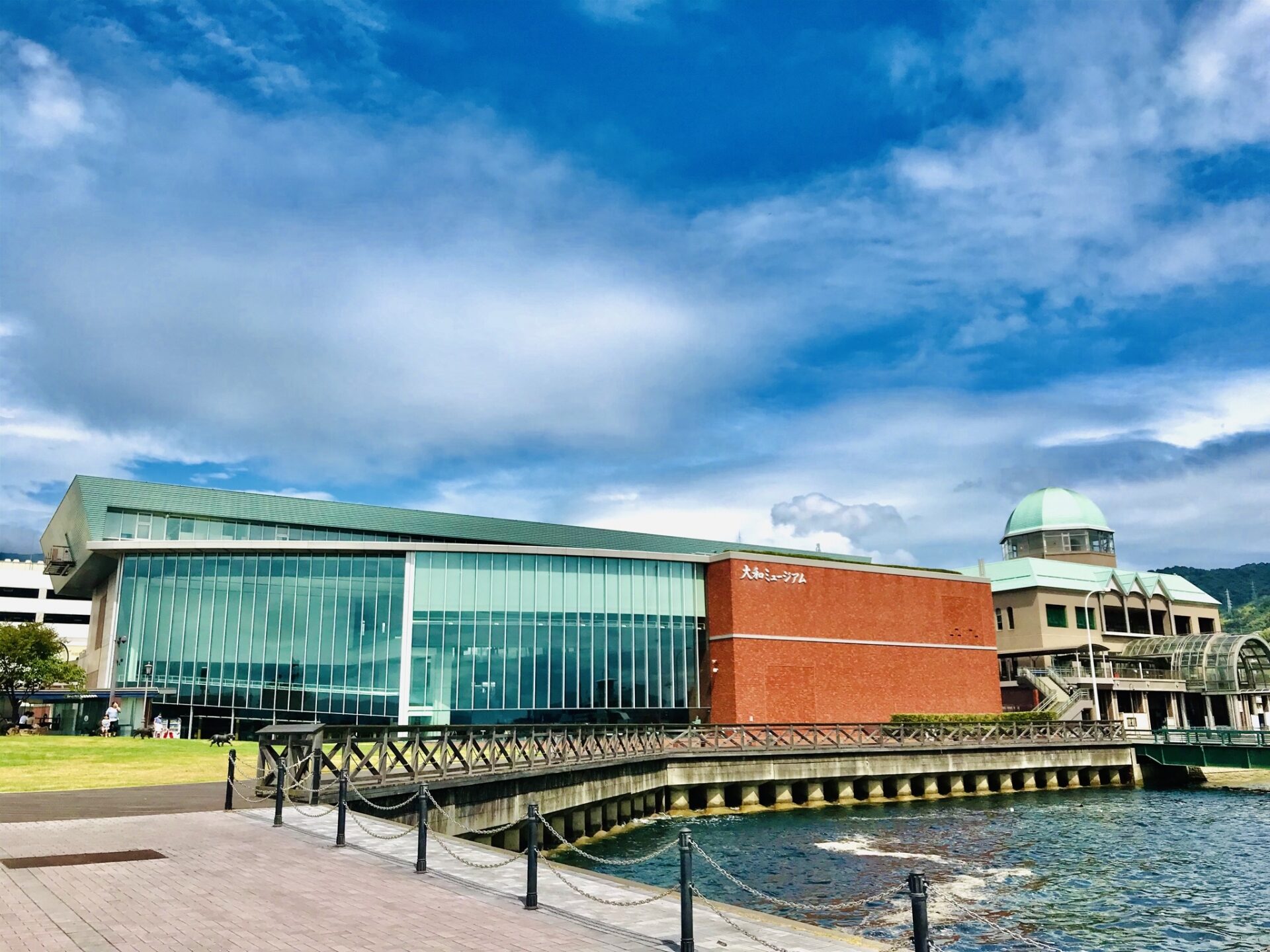
| Kure | Naval port: Yamato Museum (reopened April 2026), submarines | JR Kure Line, about 45 minutes. See my Kure guide. |
| Saijo (Higashihiroshima) | Seven sake breweries a few minutes’ walk from the station | JR, about 35–40 minutes |
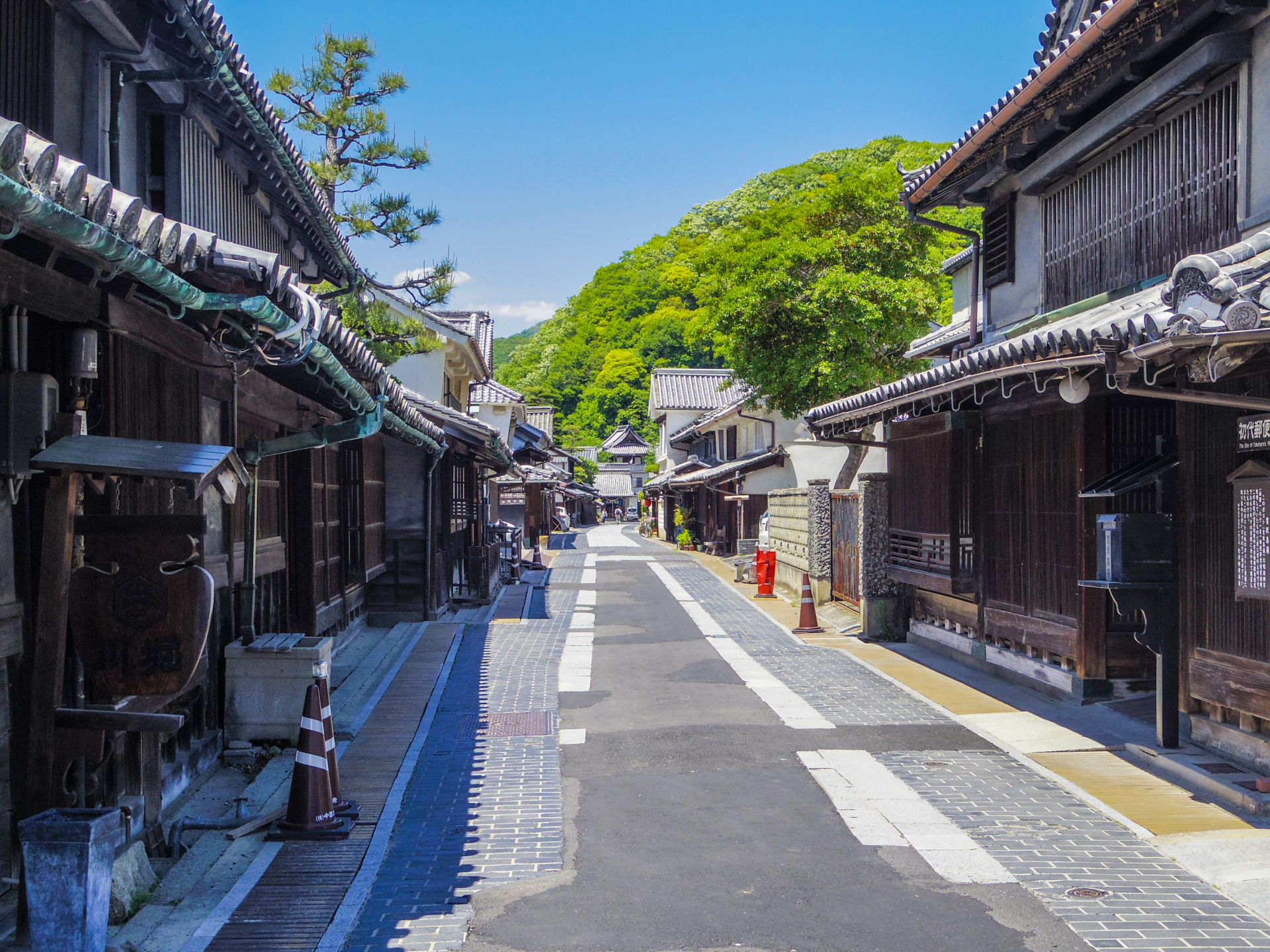
| Takehara | Preserved Edo-period merchant townscape | Express bus, about 1–1.5 hours |
| Okunoshima (Rabbit Island) | Free-roaming rabbits and wartime history | Train + ferry, about 1.5–2 hours. See my Rabbit Island guide. |
| Onomichi | Hillside temples, cat alleys, the start of the Shimanami Kaido | Train, about 1–1.5 hours. See Shimanami Kaido. |
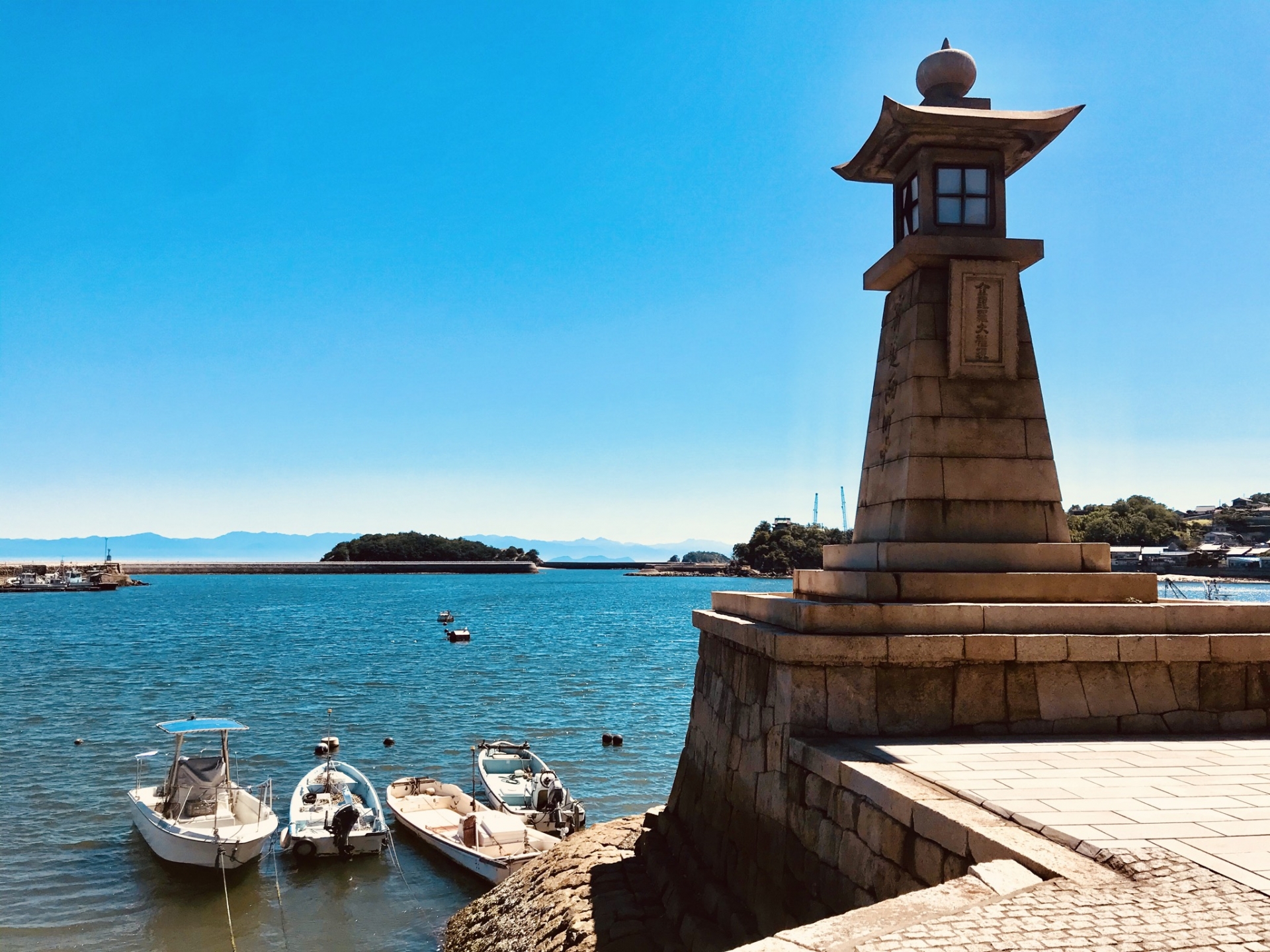
| Tomonoura (Fukuyama) | Old port town | Shinkansen to Fukuyama + bus, about 1 hour |
| Kintaikyo (Iwakuni) | Five-arched wooden bridge and 100+ soft-serve flavours | JR to Iwakuni + bus, about 1 hour 10 minutes |
| Sandankyo | Mountain gorge walk, best in autumn | Express bus, about 1 hour 20 minutes |
Check train times on a route app before you go — some lines run infrequently.
Can I go inside Hiroshima Castle?
Not the keep — it closed in March 2026. The Ninomaru buildings and the grounds are open and free.
Is one day in Hiroshima enough?
For the Peace Park and museum, yes. But you’ll miss the food scene and the day trips. Two days is better.
When is oyster season?
Roughly November to March. In 2026 supplies are lower than usual, so check before visiting an oyster hut.