Tomonoura Guide: Hiroshima's Old Harbour Town in Half a Day (Getting There, Parking and Sunset)
Kai
Setouchi Notes
Quick answer: Take the JR Kure Line rapid train from Hiroshima (about 33 minutes, ¥510). Walk to the newly renovated Yamato Museum and the free JMSDF museum, where you can go inside a real submarine. See active submarines up close at Alley Karasu-kojima, eat navy curry for lunch and finish at the food stalls in the evening. Don’t go on a Tuesday — the museums and the harbour cruise all close.
Kure is a port city about half an hour from Hiroshima. It was the Imperial Japanese Navy’s biggest base, where the battleship Yamato was built, and today it’s home to the Japan Maritime Self-Defense Force. I’ve been to everything on this page: both museums, the submarine park, the harbour cruise and Etajima. For anyone interested in ships, history or just good local food, it’s an easy and rewarding day out.
The main sights are all a short walk from Kure Station.
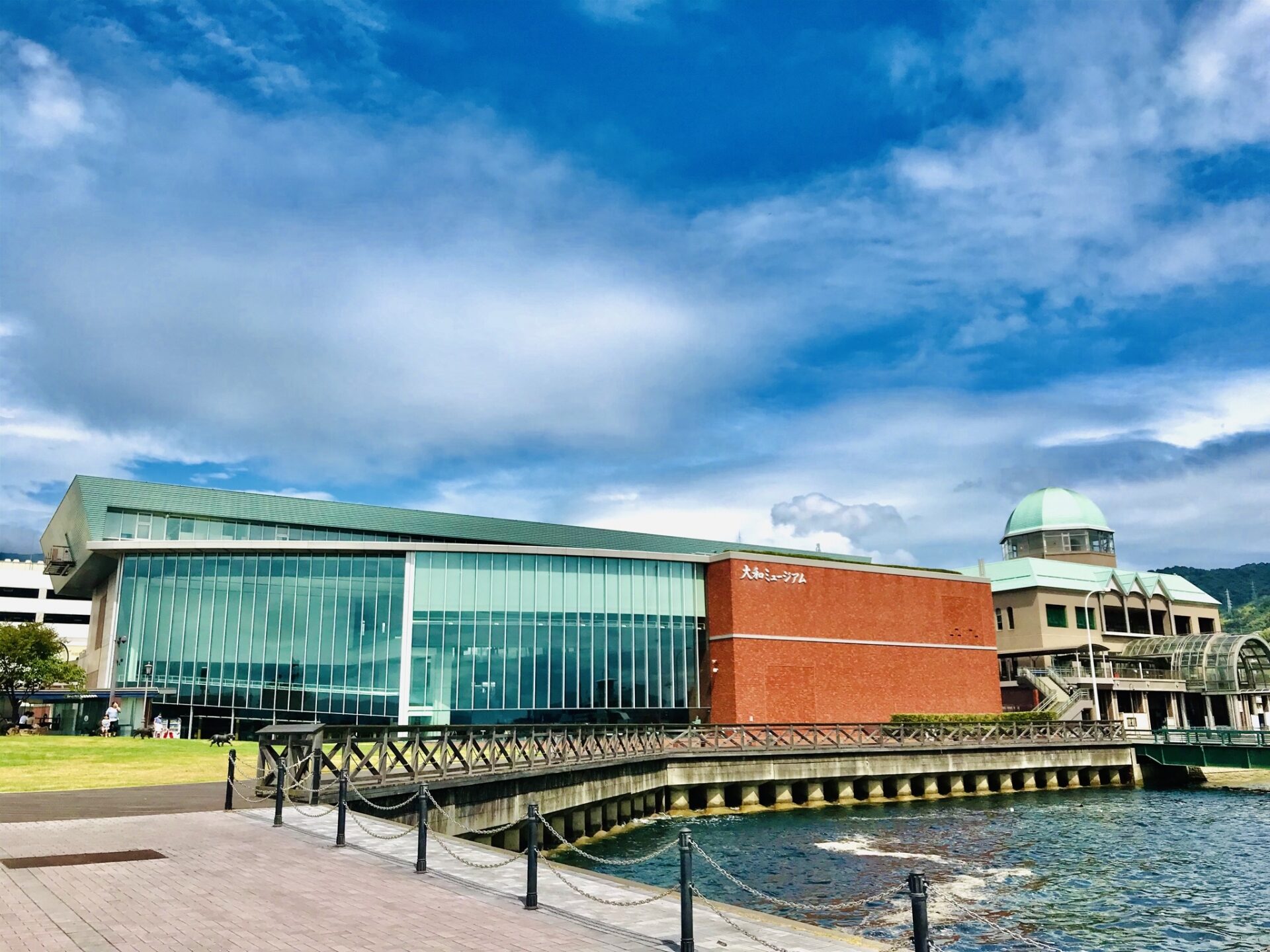
The highlight is a 1/10-scale model of the battleship Yamato — 26 metres long. The museum also covers Kure’s history as a naval port and shipbuilding city.
New in 2026: the museum reopened on 23 April 2026 after a 14-month renovation, with about 300 more exhibits, an updated Yamato model based on recent underwater surveys of the wreck, and a renewed science and technology gallery with real aircraft engines.
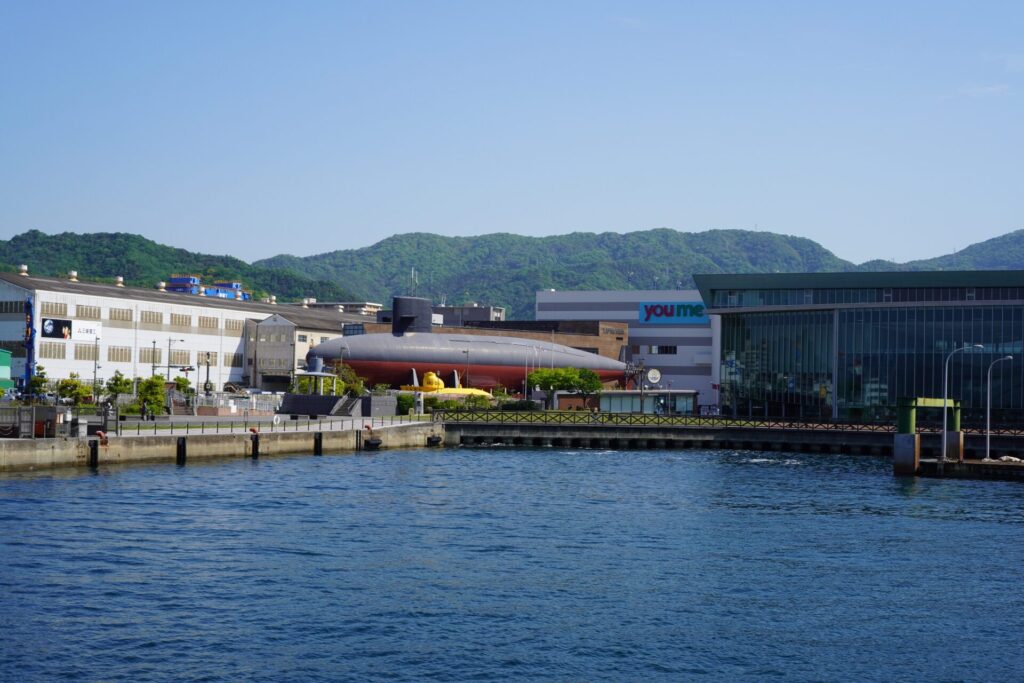
A short walk from the Yamato Museum, you can’t miss it: a real submarine, the Akishio, sitting on land next to the building. You can walk through the inside of a submarine that served until 2004.
A small waterfront park beside the JMSDF base where you can see active submarines and destroyers moored just across the water — one of the few places in Japan where you can. There are also old red-brick naval buildings and a former torpedo crane.
Please don’t photograph the base itself in a way that could cause trouble, and follow any signs.
A 35-minute boat tour around Kure harbour, passing the ships and submarines of the JMSDF base, with commentary by a guide. It’s a different perspective from Alley Karasu-kojima, and I’d recommend it.
The JMSDF traditionally eats curry on Fridays, and each ship has its own recipe. In Kure, around 25–30 restaurants each serve the curry of a specific ship, made with the ship’s recipe and approved by its captain. I’ve had it, and it’s the lunch to have here.
From April 2026 to March 2027 there’s a seal rally: each curry you eat at a participating restaurant gets you a ship-logo sticker, and you can swap them for original goods at the tourist information centre in Kure Station.
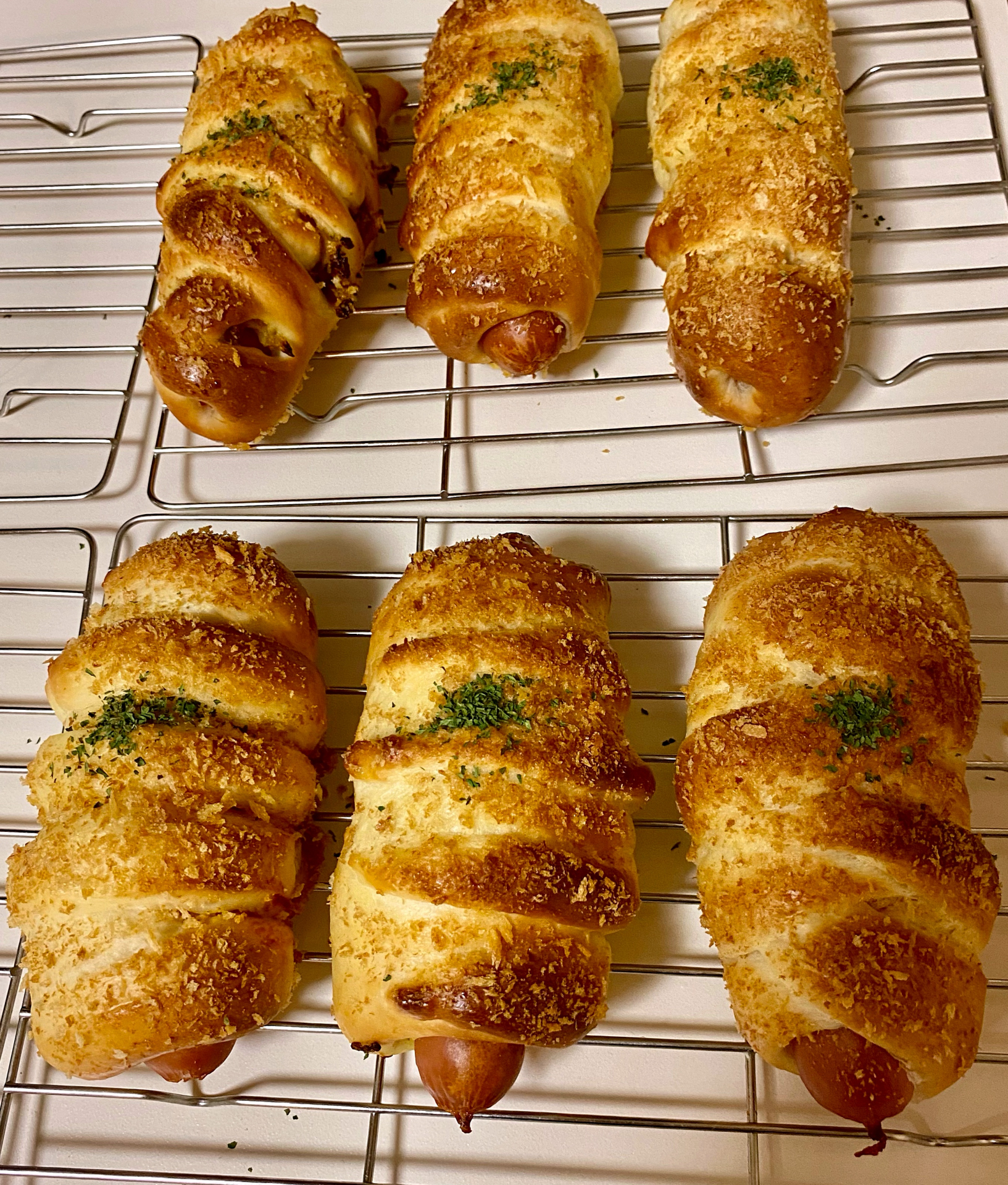
I’ve tried both. They’re simple, cheap and very “Kure”.
A bakery called Melon Pan, founded in 1936, sells a large rugby-ball-shaped melon pan filled with cream. It can sell out, so go early. Closed Sundays. See Breakfast in Hiroshima.
In the evening, food stalls set up along Kuramoto-dori, about 10 minutes’ walk from the station. Kure is one of the few cities in Japan with permanent street stalls like this. You sit elbow-to-elbow at the counter for ramen, oden, okonomiyaki, yakitori or gyoza. Each stall sets its own hours and days, and they often close in bad weather. It’s a great way to end the day.
Across the water from Kure is Etajima, home of the former Imperial Japanese Naval Academy, now a JMSDF school. Its historic buildings and the museum hall are a powerful visit. I’ve been, and it’s worth the extra time if you’re interested in history. See my full Etajima guide for tour times, boats and driving tips.
With Etajima, swap the afternoon for the boat to Koyo and the 13:30 tour.
Is Kure worth it if I’m not into military history?
Yes, for the food and the harbour atmosphere. But the museums are the main draw.
What day should I avoid?
Tuesday. Both museums and the warship cruise are closed.
Is there English?
The cruise and the Etajima tour are in Japanese only. The museums are easy to enjoy visually, even without much Japanese.