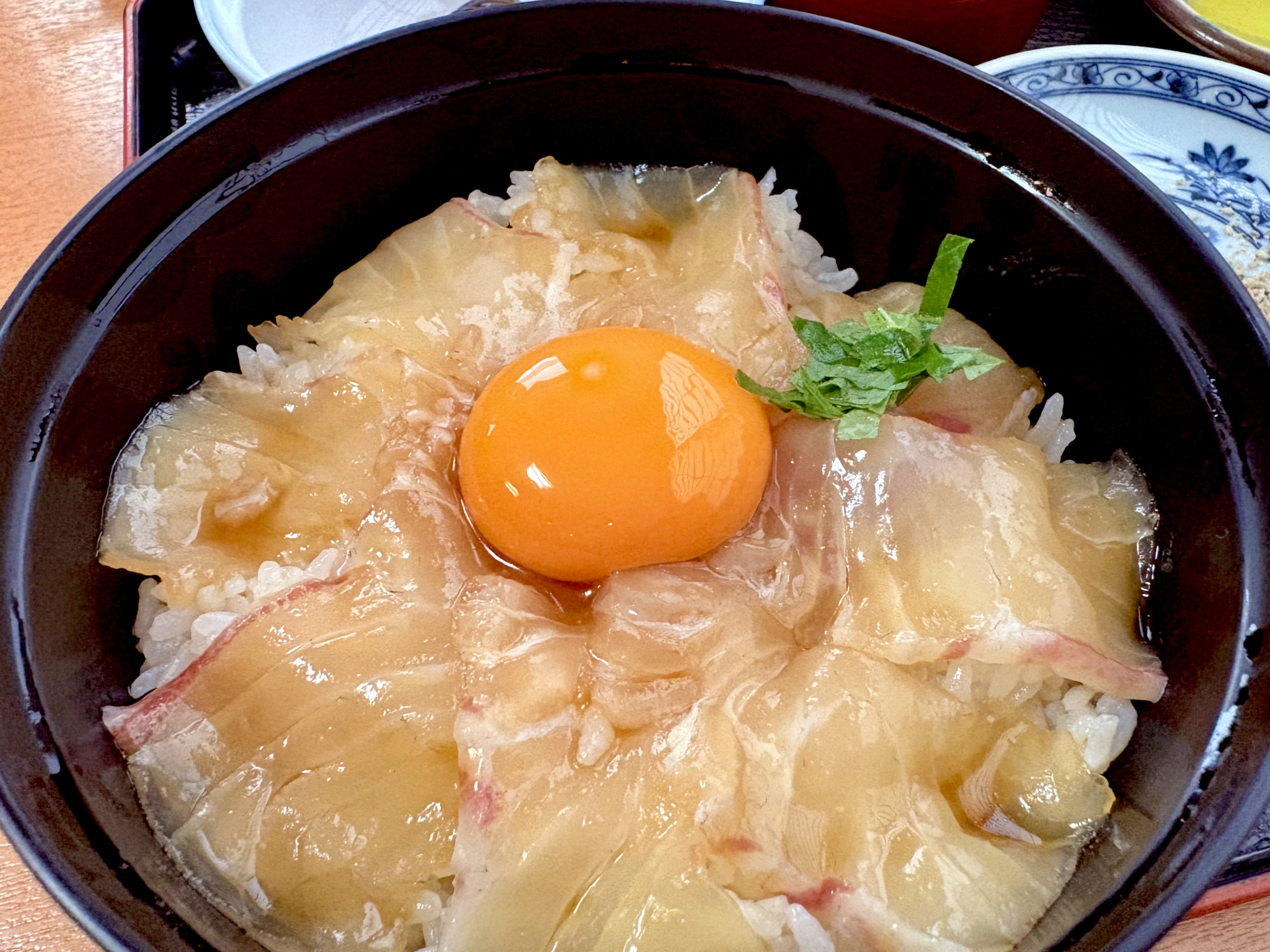
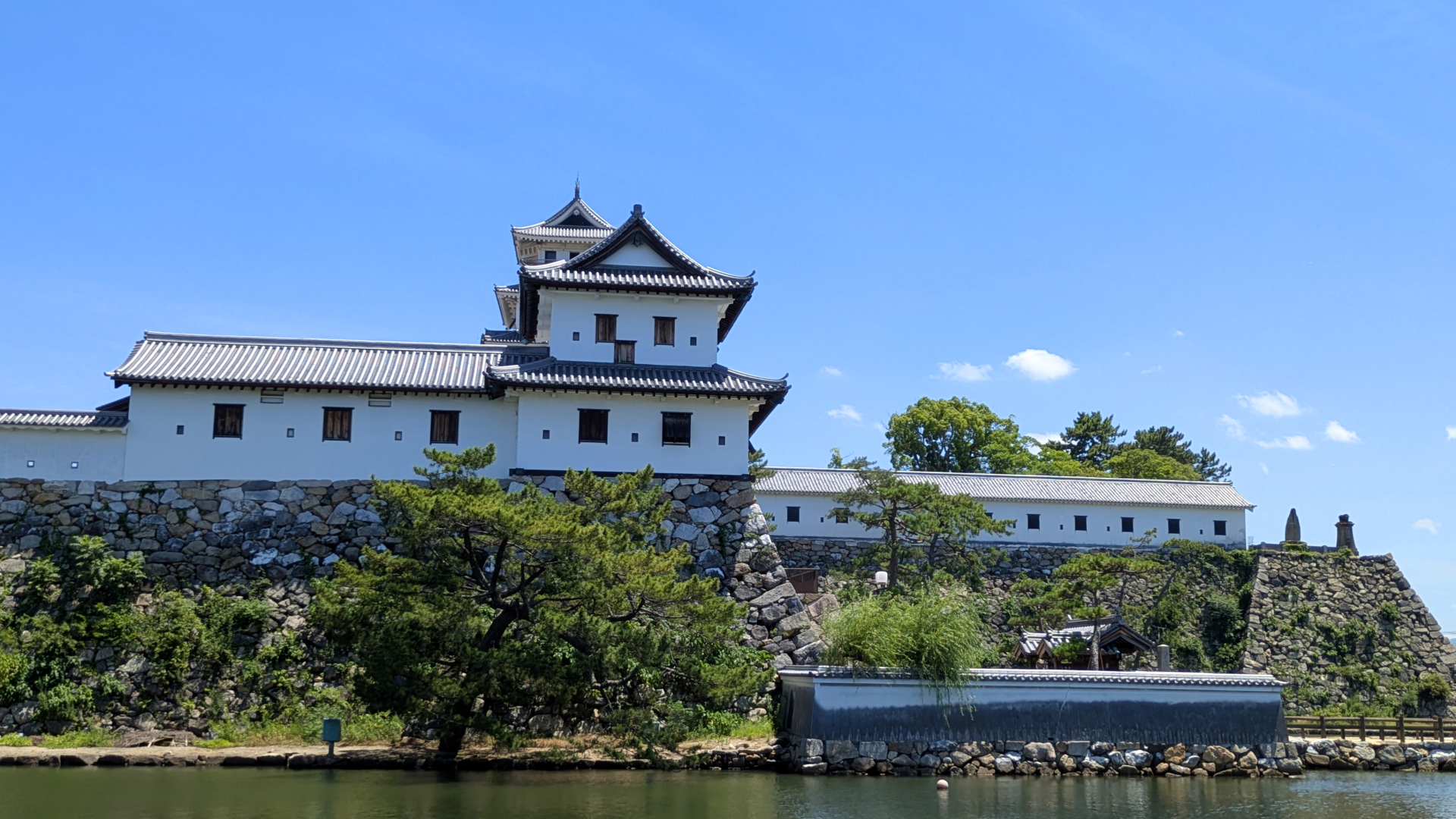
Uwajima Guide: Taimeshi (Not the Matsuyama Kind), Jakoten, an Original Castle Keep, Tenshaen Garden and Bull Sumo — Plus How to Get There from Matsuyama
Kai
Setouchi Notes
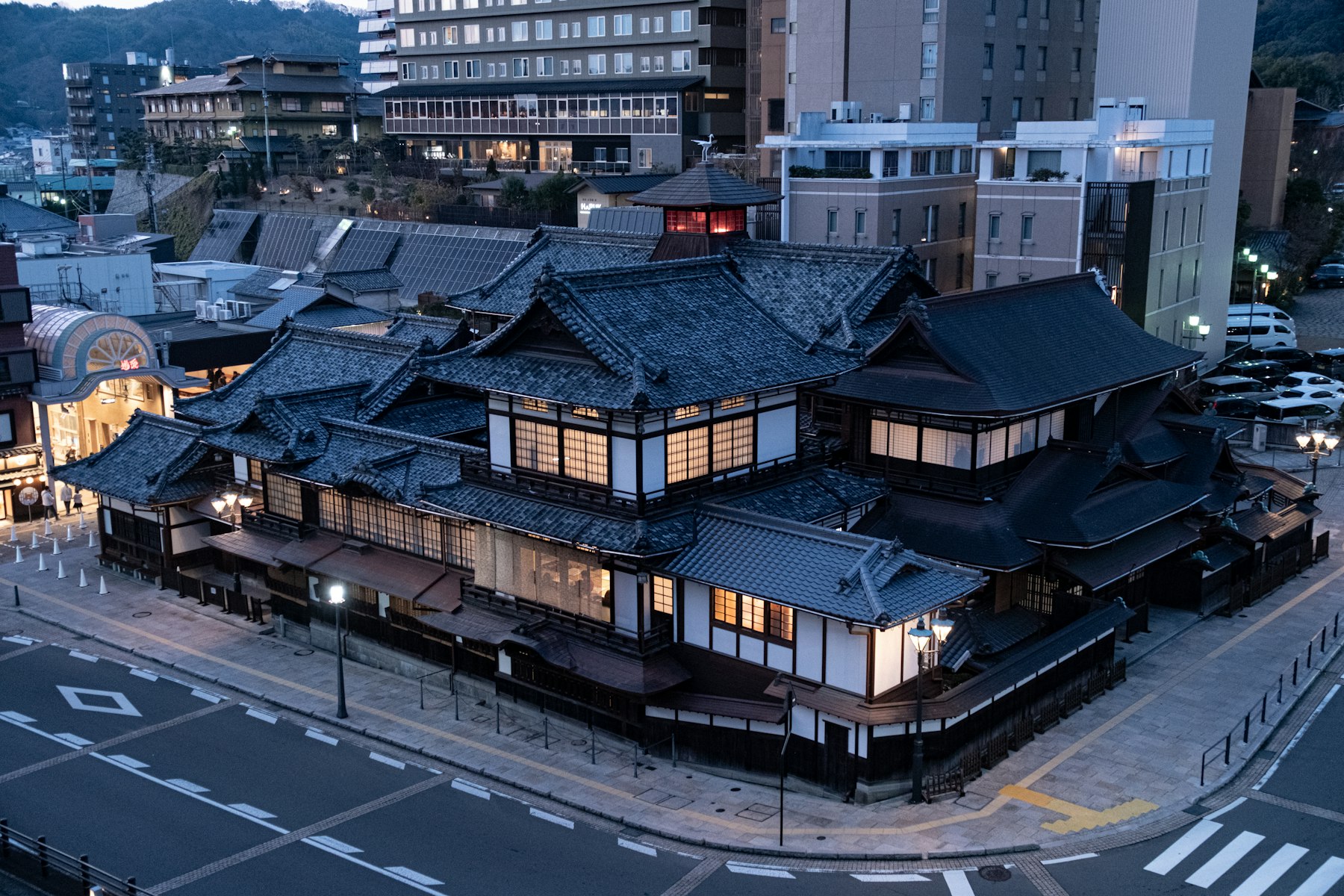
Quick answer: Stay a night in Dogo. Bathe at the historic Dogo Onsen Honkan (from ¥700), walk the shopping arcade in your inn’s yukata in the evening, and spend the next morning at Matsuyama Castle. Eat tai-meshi (sea bream rice) and drink local mikan orange juice.
Dogo Onsen in Matsuyama, Ehime, is said to be the oldest hot spring in Japan, with a history of some 3,000 years. Its wooden bathhouse, Dogo Onsen Honkan, is one of the most famous buildings in Shikoku. I’ve stayed overnight in Dogo, and that’s how I’d recommend you do it too.
You can visit Dogo as a day trip from Matsuyama city, but the best part happens in the evening:
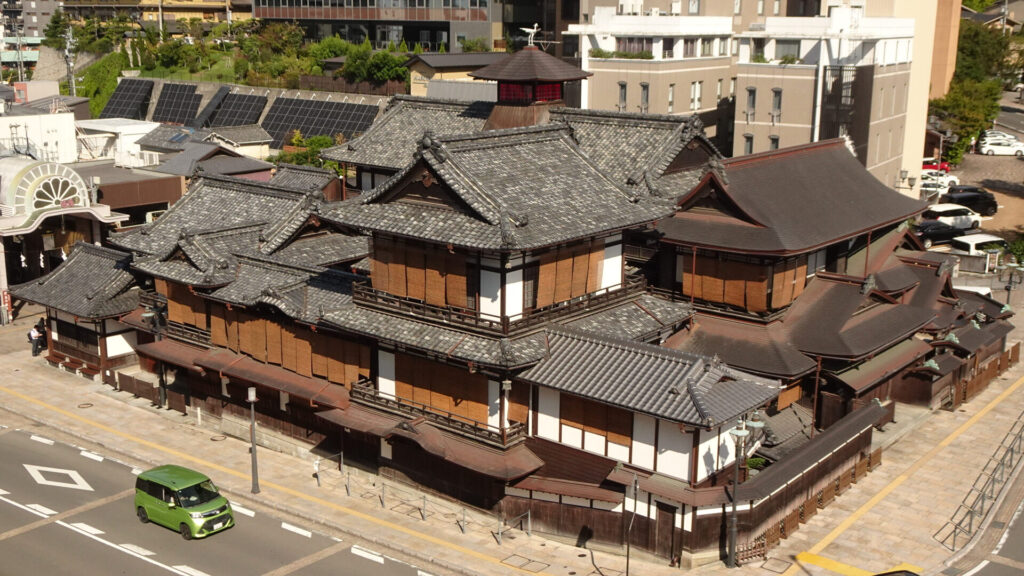
The three-story wooden bathhouse, built in 1894, is still a working public bath. A long restoration was completed in December 2024.
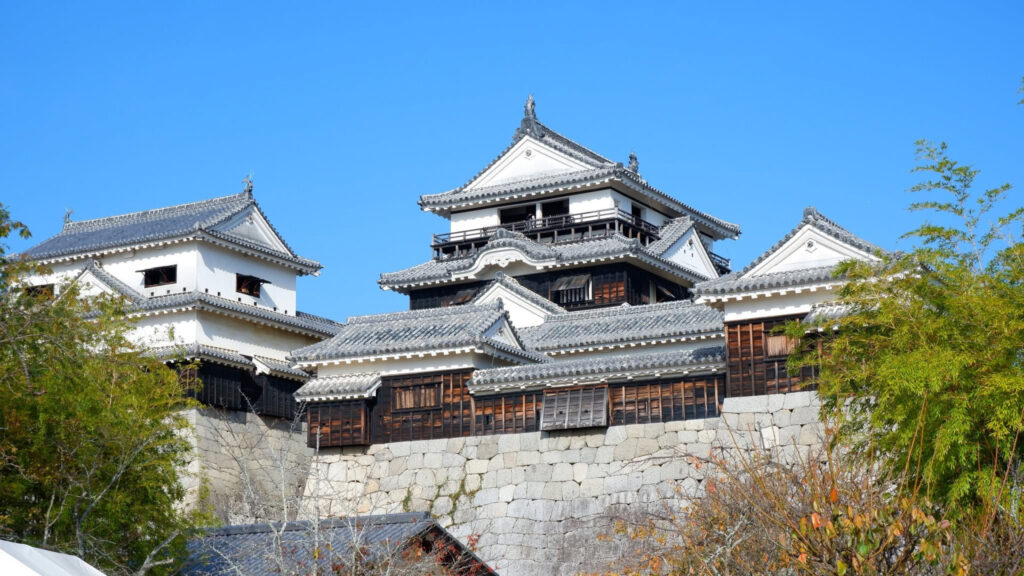
One of only twelve castles in Japan with an original keep, sitting on a hill in the middle of Matsuyama city. Ride the ropeway or the single-seat chairlift up, then walk to the keep for a view over the city to the Seto Inland Sea.
From Dogo, it’s an easy ride on the tram to the foot of the castle hill.
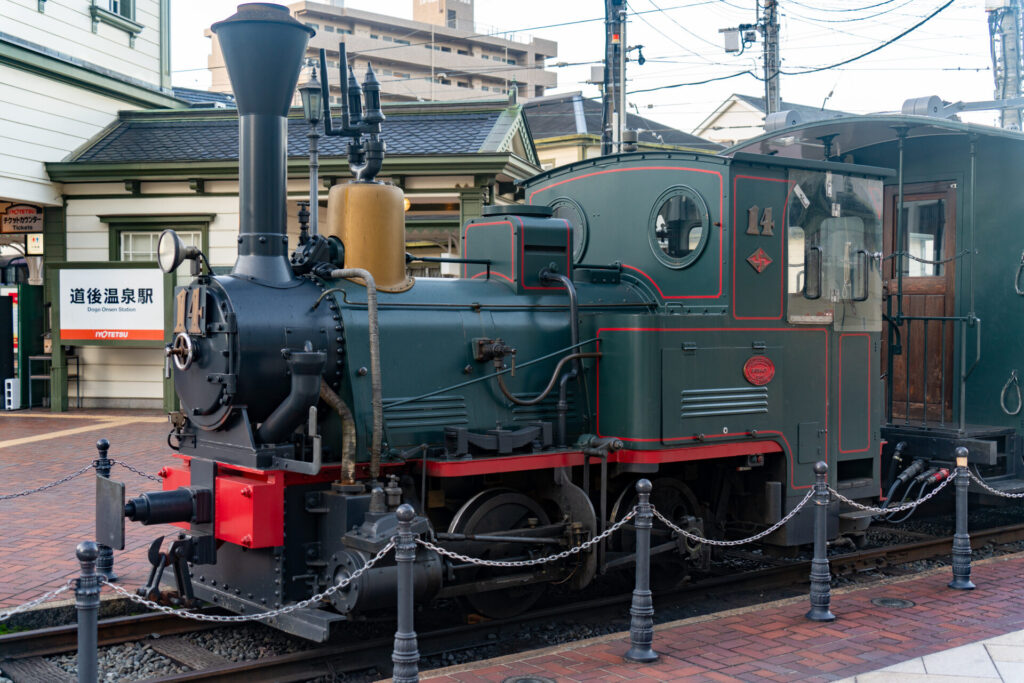
Matsuyama has a streetcar (tram) network that links Matsuyama Station, the city center, the castle area and Dogo Onsen Station. It’s the easiest way to get around. On some services you can ride the Botchan Ressha, a replica of an old steam train.
Day 1 1. Afternoon — arrive in Matsuyama, take the tram to Dogo. 2. Check in at your inn; bathe. 3. Dinner, then a yukata walk around the arcade and the Honkan at night.
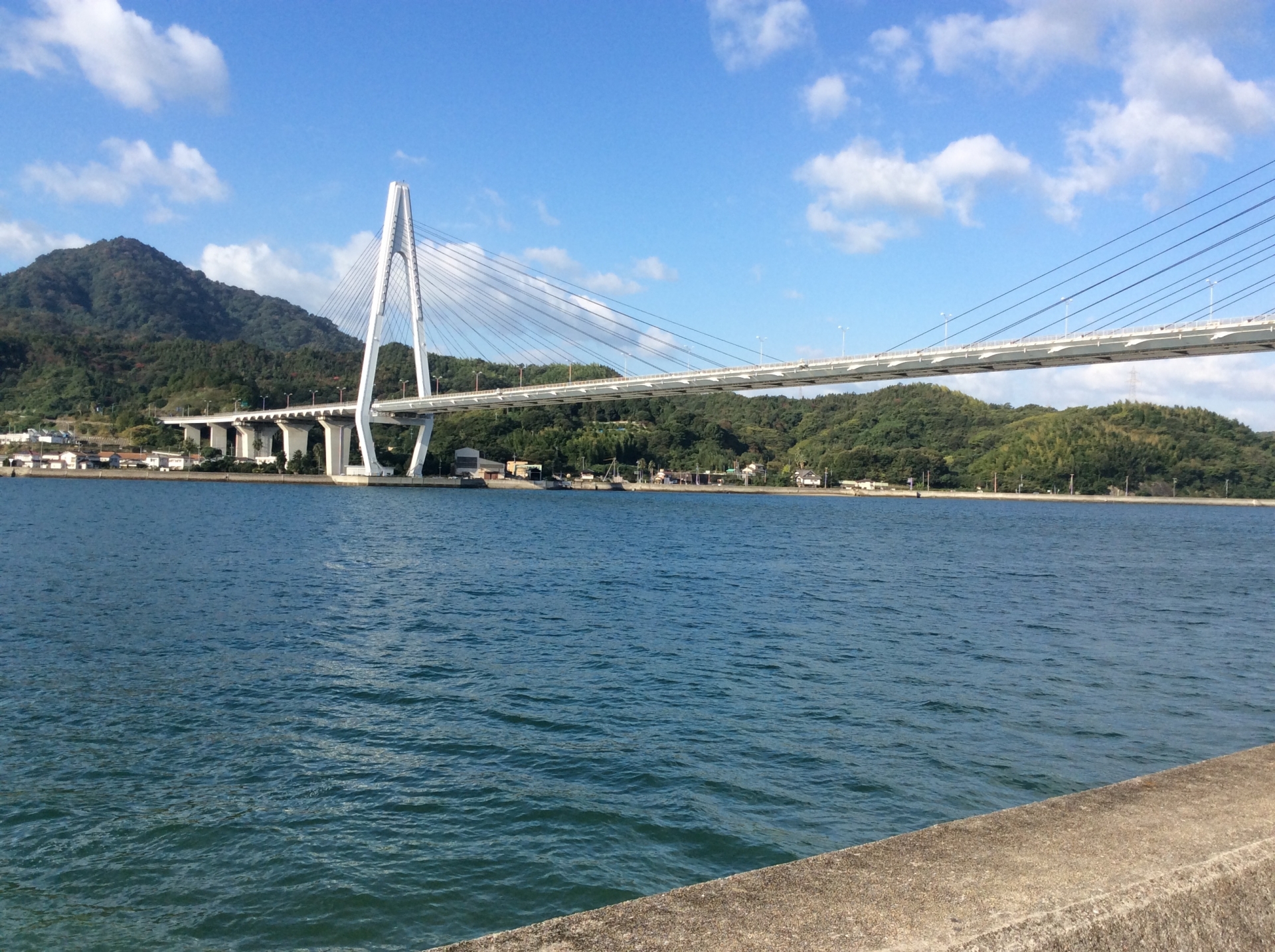
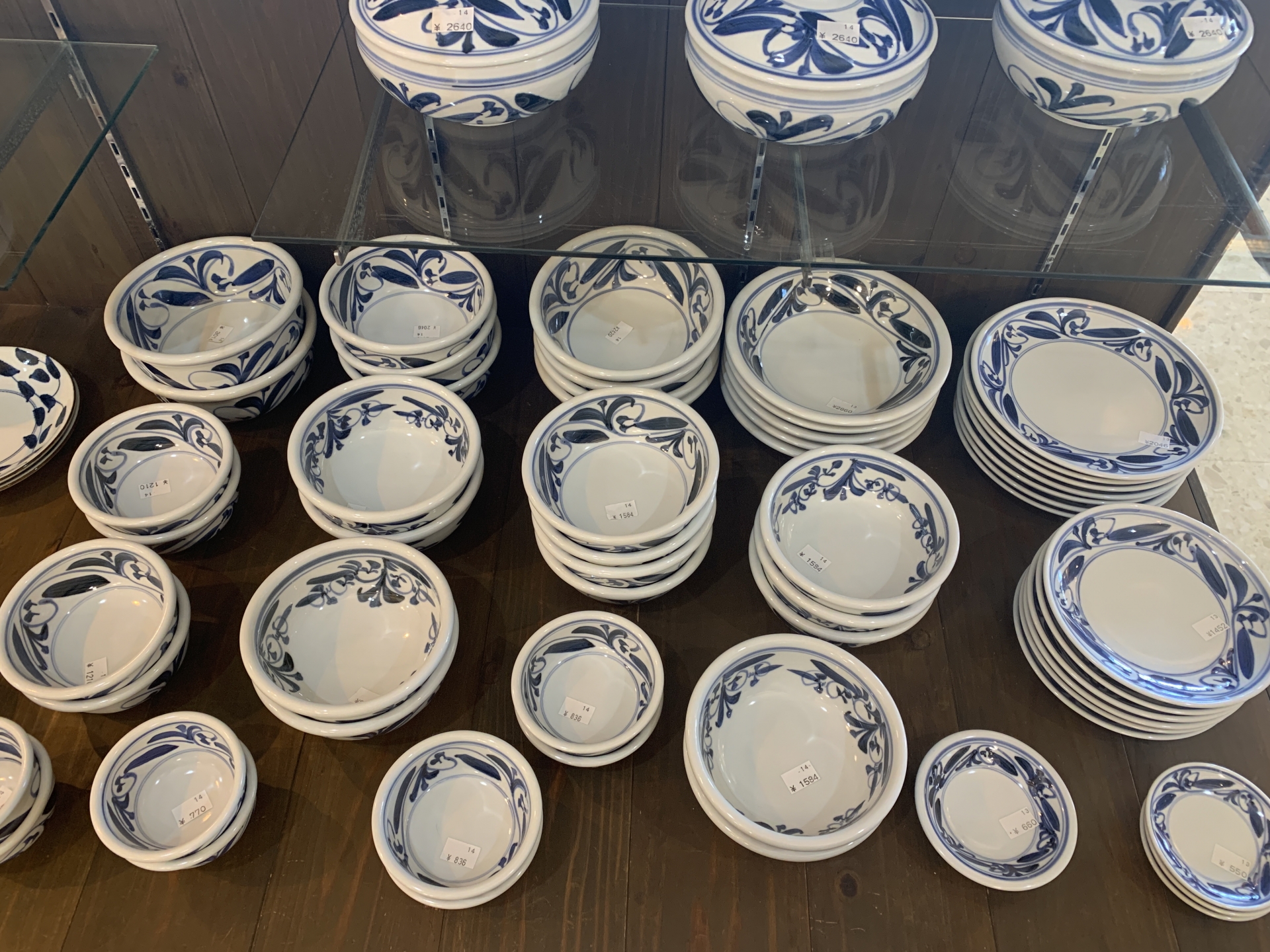
Day 2 1. Early morning — bathe at the Honkan before the crowds. 2. Tram to Matsuyama Castle. 3. Lunch: tai-meshi. 4. Onward to the Shimanami Kaido, a day trip to the old towns of Uchiko and Ozu, the pottery town of Tobe, or the next stop.
Is Dogo Onsen open after the restoration? Yes. The restoration was completed in December 2024.
Can I visit as a day trip? Yes, but if you can, stay one night. The evening atmosphere is the highlight.
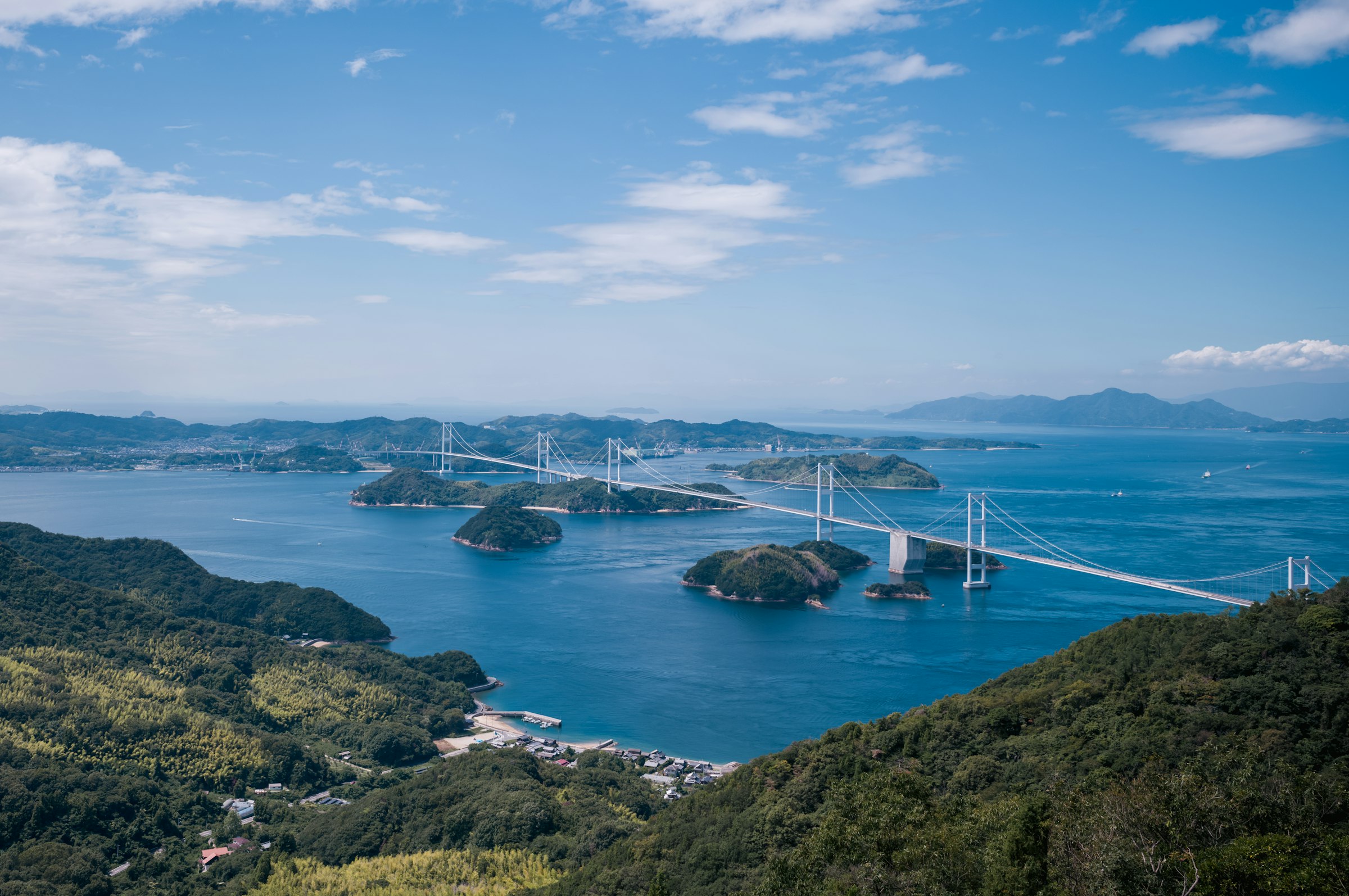
How do I get to Matsuyama? By train from Okayama (limited express), by bus or ferry from Hiroshima, or via the Shimanami Kaido from Onomichi.