Hiroshima Airport to Hiroshima City and Miyajima: Bus, Train, Taxi and Rental Car (2026)
Kai
Setouchi Notes
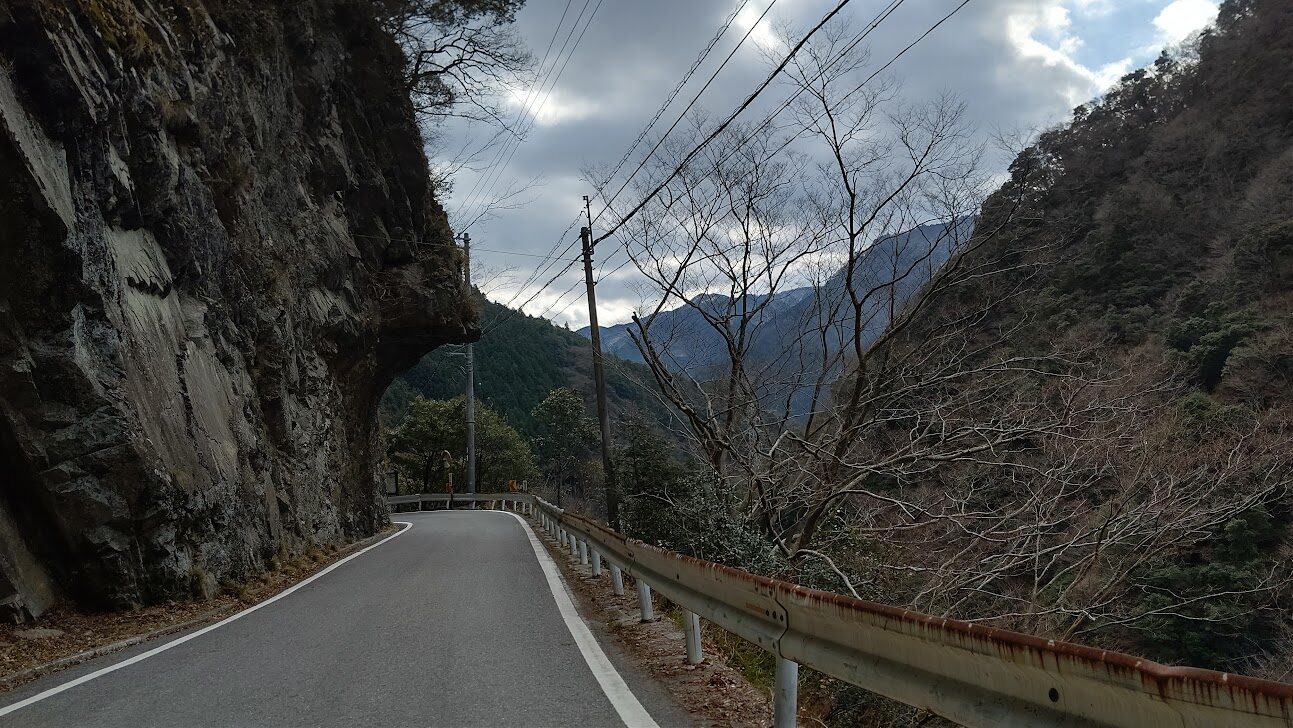
Quick answer: Keep left, stop completely at every railway crossing and “止まれ” sign, and never turn on red. On one-lane mountain roads, drive slowly, watch the curve mirrors, and be ready to back up to a passing place. Fill up when the tank is half empty — rural petrol stations close early. Check for rain closures before heading into the Iya Valley, and zero alcohol if you’re driving.
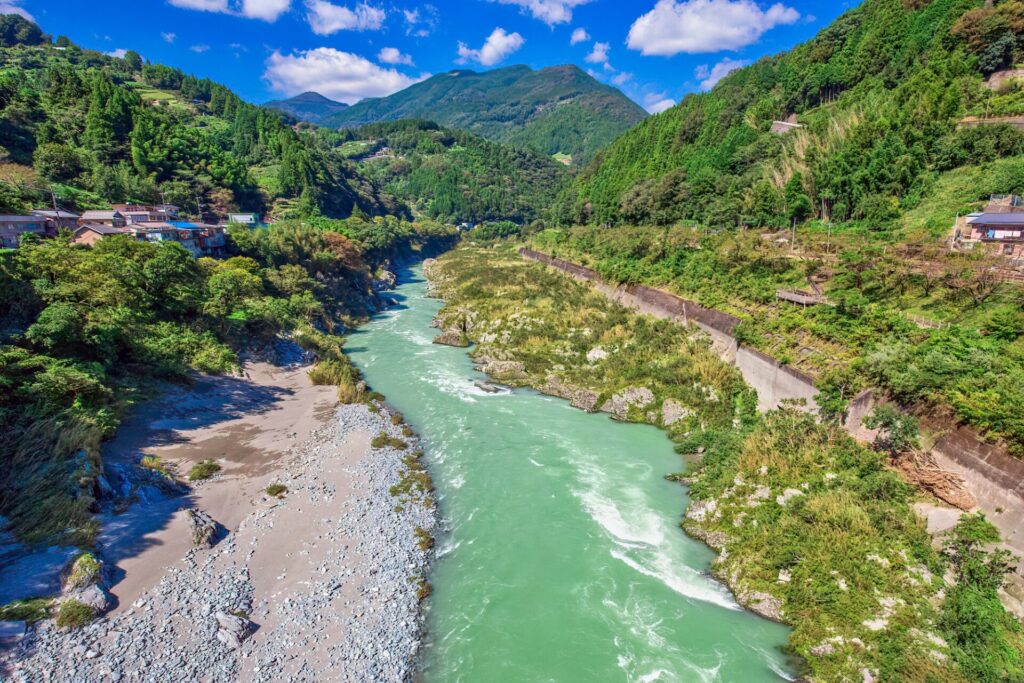
Driving is the best way to see rural Shikoku, and most of it is easy: quiet roads, polite drivers and free parking at most sights. But the mountain roads can surprise visitors. I live in Tokushima and drive these roads myself — the roads around the Iya Valley and Oboke and towards Mt. Tsurugi still make me careful. This is what I’d tell a friend before they set off.
Some of Shikoku’s national routes shrink to a single lane in the mountains, with sharp bends, steep drops and no centre line. Route 439, which runs through the Iya area, is famous in Japan as one of the toughest national roads. I’d count the roads around Iya and Oboke, and towards Mt. Tsurugi, among the ones where you need to concentrate.
On one-lane roads you’ll regularly meet a car coming the other way. Japan’s official driving manual advises:
In practice, be ready to reverse to the last wider spot. Local drivers do this all the time, and a small car makes it far easier. See Renting a Car in Shikoku for why I recommend one.
Use the round curve mirrors at blind bends, but remember they make distances look longer. You only have to sound your horn where a “警笛鳴らせ” (sound horn) sign is posted; elsewhere, use it only to avoid danger.
Deer and wild boar often run onto mountain roads, especially at dusk and at night. Slow down after dark. If you hit an animal, stop safely, turn on your hazard lights and call the police (110) — it’s required, and your insurance needs the report. Stay in the car if a large animal is still alive.
After heavy rain, mountain roads get rockfalls and fallen trees, and some sections close automatically. For example, on the Kochi side of the Iya area, Route 439 closes once rainfall reaches set limits, and Route 32 through the Oboke gorge closes above 250 mm.
From December to March, snow and ice can close high roads, including routes towards Mt. Tsurugi. Rental cars usually come with normal tyres, so if you’re planning mountain driving in winter, ask for winter tyres when you book, or stick to the main valley roads.
Most rural sights have free car parks. In towns and cities, you’ll use coin parking:
The flap type confuses many first-timers — just remember your bay number.
Illegal parking fines are ¥15,000–18,000, and rental companies add their own charge if you don’t pay.
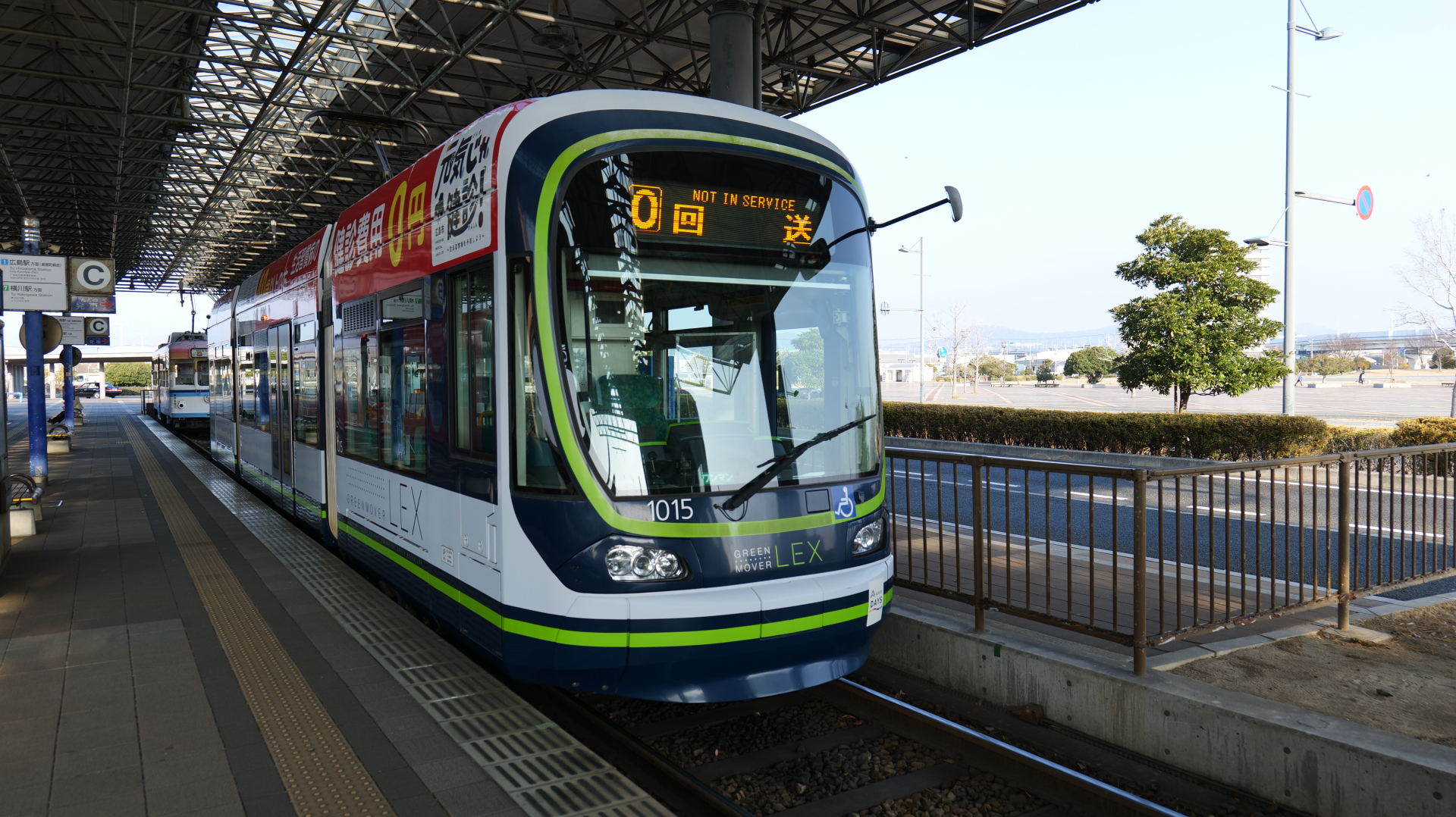
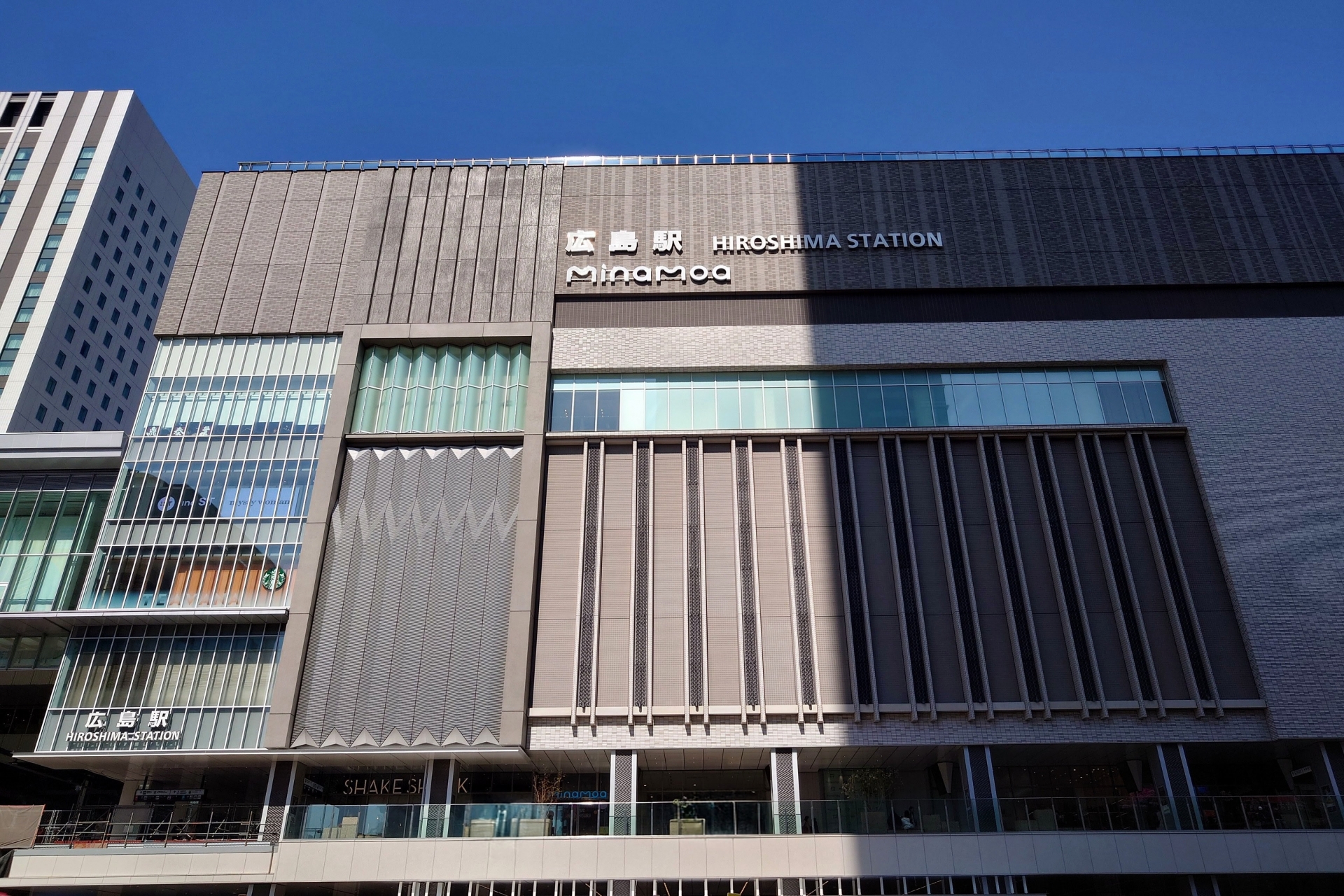
If your trip starts in Hiroshima, watch out for the streetcars (trams). They share the road with cars on many main streets, and you’ll find yourself driving alongside them, with tracks in the middle of the road and passengers crossing to the tram stops. Take your time, follow the signals and lane markings, and don’t stop on the tracks.
Google Maps works well, but it sometimes picks very narrow back roads as the “shortest” route. In the mountains, stick to numbered routes where you can, and download offline maps — signal is patchy in the Iya Valley.
| Number | For |
|---|---|
| 110 | Police (any accident, including hitting an animal) |
| 119 | Ambulance / fire |
| #8139 | JAF roadside assistance (interpretation in 24 languages) |
| #9910 | Report road hazards on national roads and expressways |
| 050-3816-2787 | Japan Visitor Hotline (24/7, English) |
Your rental papers will also have the company’s own roadside number.
Is it safe to drive to the Iya Valley?
Yes, if you drive slowly, use a small car, avoid heavy rain and go in daylight.
Do I need to honk at every bend?
No — only where a “sound horn” sign is posted.
Can I have one drink?
No. Any alcohol is prohibited when driving in Japan.