Hiroshima Streetcar (Hiroden) Guide: Fares, Day Passes and How to Ride (2026)
Kai
Setouchi Notes
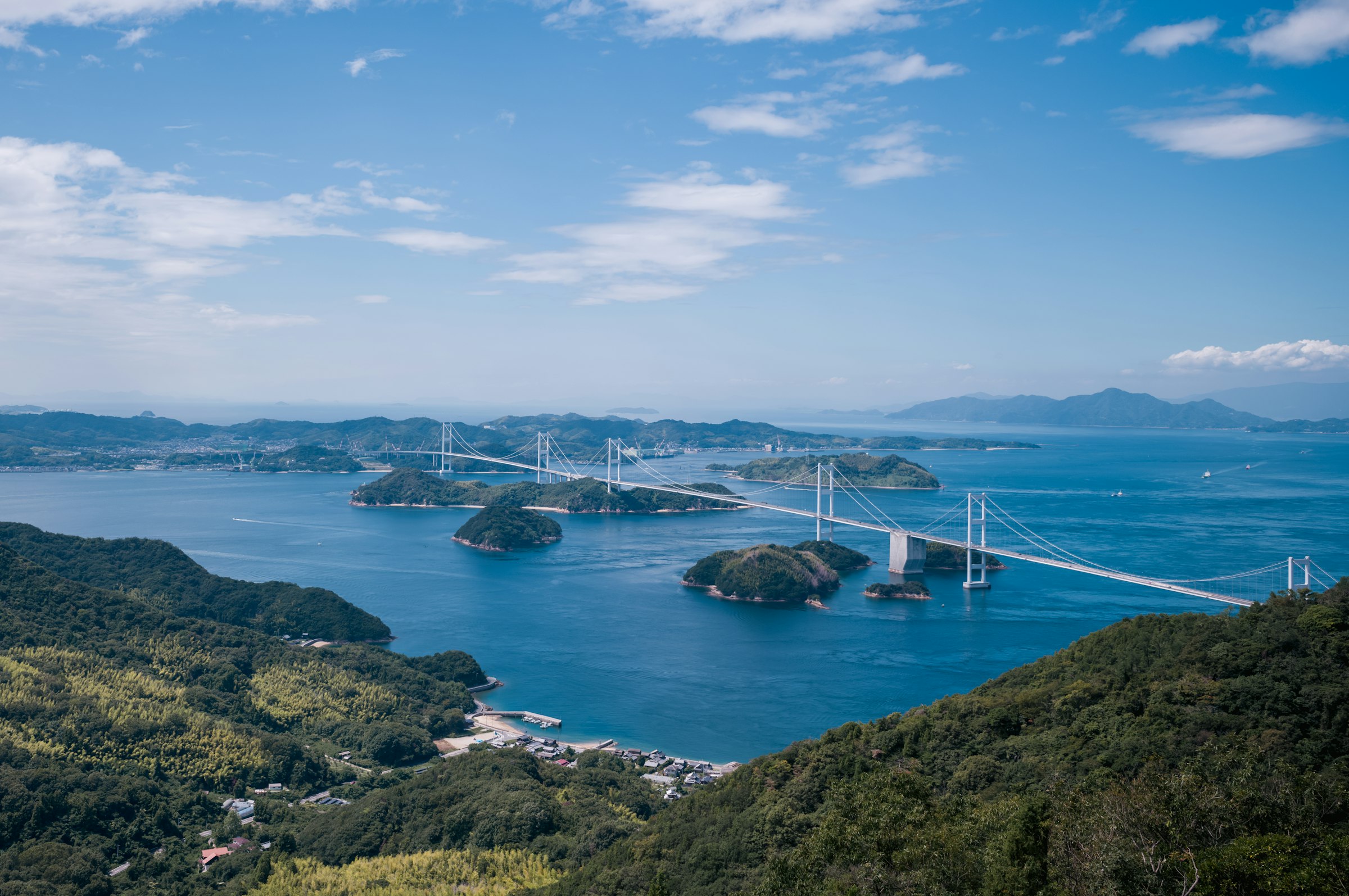
Quick answer: Bring an International Driving Permit (1949 Geneva Convention) — or, if you’re from Switzerland, Germany, France, Belgium, Taiwan or Monaco, your licence plus an official Japanese translation. Book online in English with Toyota, Times, Nippon or ORIX. Choose a small car, add the damage waiver and the NOC cover (about ¥1,650–2,200 a day together), rent an ETC card (¥330–550) and budget separately for the bridges to Shikoku.
Shikoku is the part of Setouchi where a car makes the biggest difference. Trains and buses are thin in the mountains and along the coast, and places like the Iya Valley are hard to reach without one. I used to sell cars at a dealership, and I’ve rented cars in other parts of Japan and abroad — at home in Tokushima I drive my own. This guide is what I’d tell a friend before they book.
You can drive in Japan as a visitor with one of these:
Things that catch people out:
A rule change in October 2025 made it harder to convert a foreign licence into a Japanese one, but that affects residents. Visitors still drive on an IDP or translation as before.
The big companies all have English booking: Toyota Rent a Car, Times Car Rental, Nippon Rent-A-Car and ORIX (Nissan and JR West’s Ekiren too).
In Tokushima, I’d rent at Tokushima Airport. Several companies have shops there (Toyota’s is a 3-minute walk from the terminal, open 8:00–20:00), and you’re straight onto the main roads without driving through the city centre. If you arrive by highway bus, there are also shops near Tokushima Station.
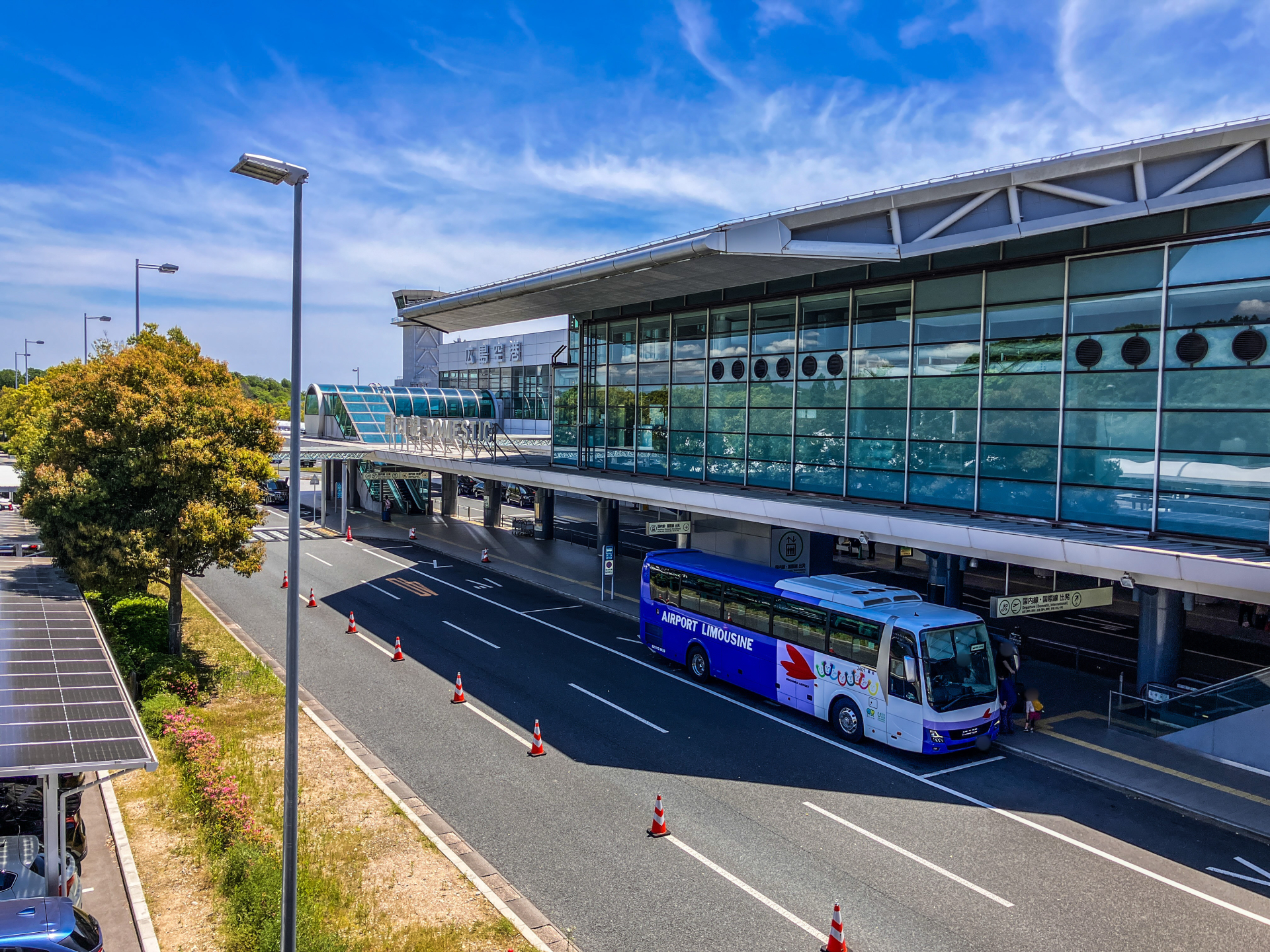
Other good pickup points: Takamatsu Station or Airport, Matsuyama Airport, Kochi Airport, and Hiroshima Station or Airport if you’re starting on the Honshu side.
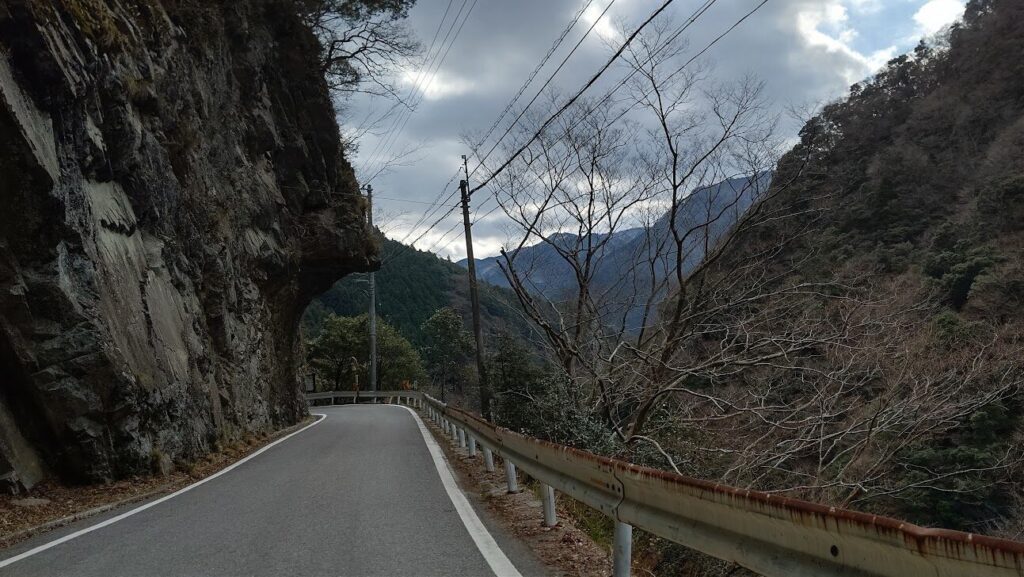
This is my strongest advice as a former car salesman: if your trip includes mountain roads, rent a small car — a compact or even a kei car (Japan’s smallest class, with yellow number plates). Roads in the Iya Valley and around Mt. Tsurugi narrow to one lane with steep drops, and a small car makes passing oncoming traffic far less stressful.
If you’ll do a lot of driving, a hybrid is worth it. The fuel savings add up over a week in Shikoku.
All rental cars in Japan are automatic.
Basic insurance is included, but if you damage the car, you still pay:
The Collision Damage Waiver (CDW) — about ¥1,100 a day — covers the deductible, but not the NOC. To cover the NOC too, add the company’s extra package:
| Company | CDW only | CDW + NOC cover |
|---|---|---|
| Toyota | ¥1,100 / 24 h | ¥1,650 / 24 h |
| Times (compact) | ¥1,100 / 24 h | ¥2,200 / 24 h |
| Nippon | ¥1,100 / day | + ¥440 / day |
My advice: take both. On narrow mountain roads, a scraped side mirror or a bumped wall is easy, and a few thousand yen for the whole trip is much better than a ¥50,000 surprise. At Nippon, the waiver can’t be added after pickup.
Insurance doesn’t pay if you don’t report an accident to the police, if an undeclared person was driving, or if alcohol was involved.
Almost every rental car has an ETC unit (Japan’s electronic toll system). Rent the card with the car:
Paying cash instead of ETC on the bridges costs far more. See Driving to Shikoku: the bridge tolls.
Visitors with a foreign passport can add the San’in-Setouchi-Shikoku Expressway Pass (SEP): unlimited NEXCO expressways from ¥10,700 for 3 days to ¥17,700 for 10 days. Sold through Toyota, Times, ORIX, Nissan and JR West Rent-a-Car (not Nippon).
Two things to know:
Often it’s cheaper to return the car in Hiroshima, cross by ferry, and rent again in Shikoku. See Hiroshima to Shikoku: ferry, bus or train?.
See also: Driving in rural Shikoku: narrow roads, fuel and parking.
Can I rent with a debit card?
Usually not. Toyota, for example, requires a credit card for bookings made since July 2026.
Can my partner drive too?
Yes, if they’re declared at pickup and show their own IDP and passport. Extra drivers are free at Toyota and Nippon.
Is driving in Shikoku difficult?
Main roads and expressways are easy. Mountain roads need care — that’s why I recommend a small car.