Ritsurin Garden Guide: 2026 Prices, Matcha at Kikugetsu-tei, the Boat Ride and the Autumn Light-Up (Takamatsu)
Kai
Setouchi Notes
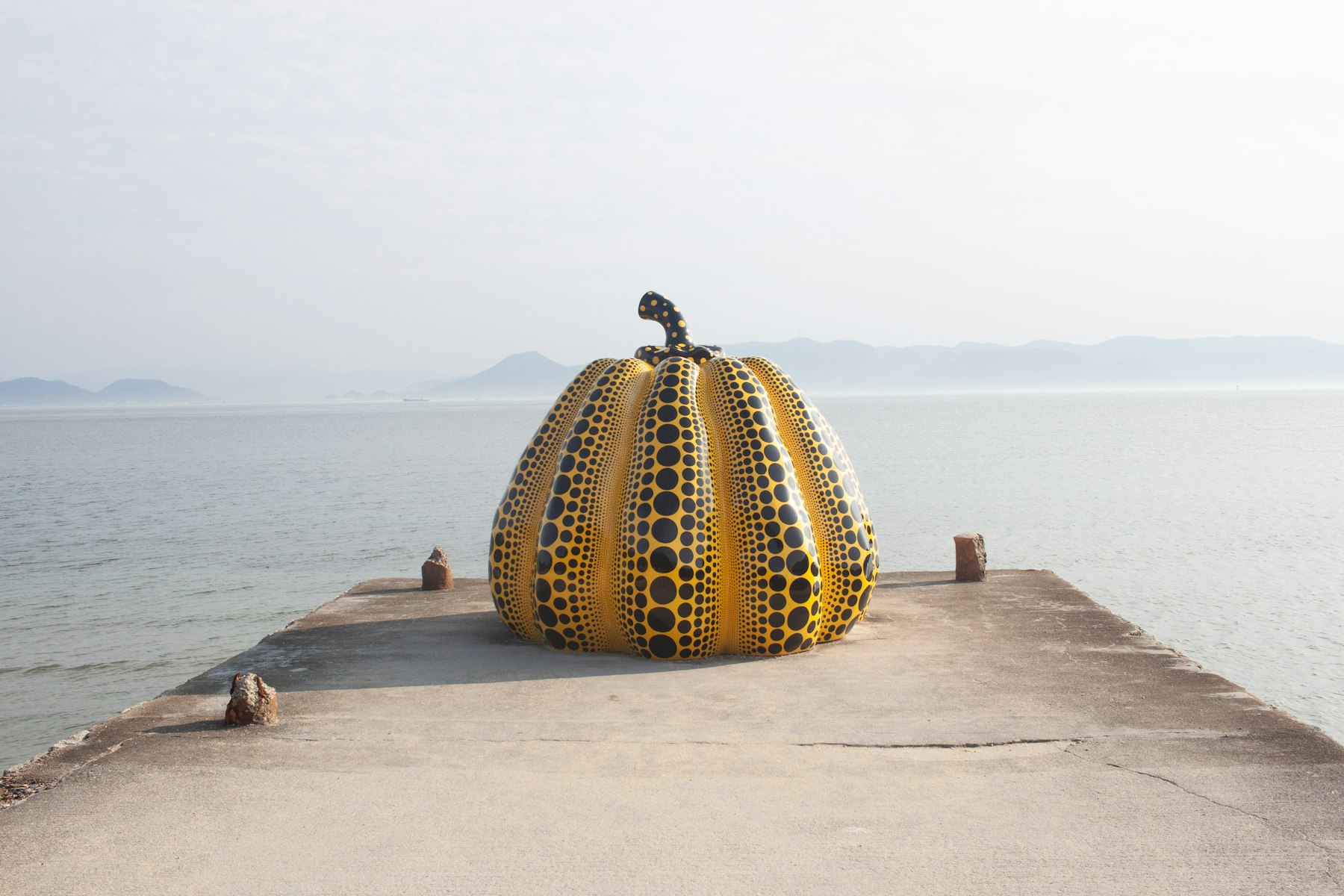
Quick answer: Both islands are easy day trips by ferry from Takamatsu, but do them on separate days. On Naoshima, see Yayoi Kusama’s pumpkins and the art museums. On Shodoshima, visit the Olive Park and the Kankakei Gorge. On both islands, buses are infrequent, so check your return ferry time first and plan around the bus timetable.
I’ve been to both islands by ferry from Takamatsu and got around by bus and bicycle. They’re very different: Naoshima is about contemporary art, Shodoshima is a big, green island of olives, mountains and soy sauce.
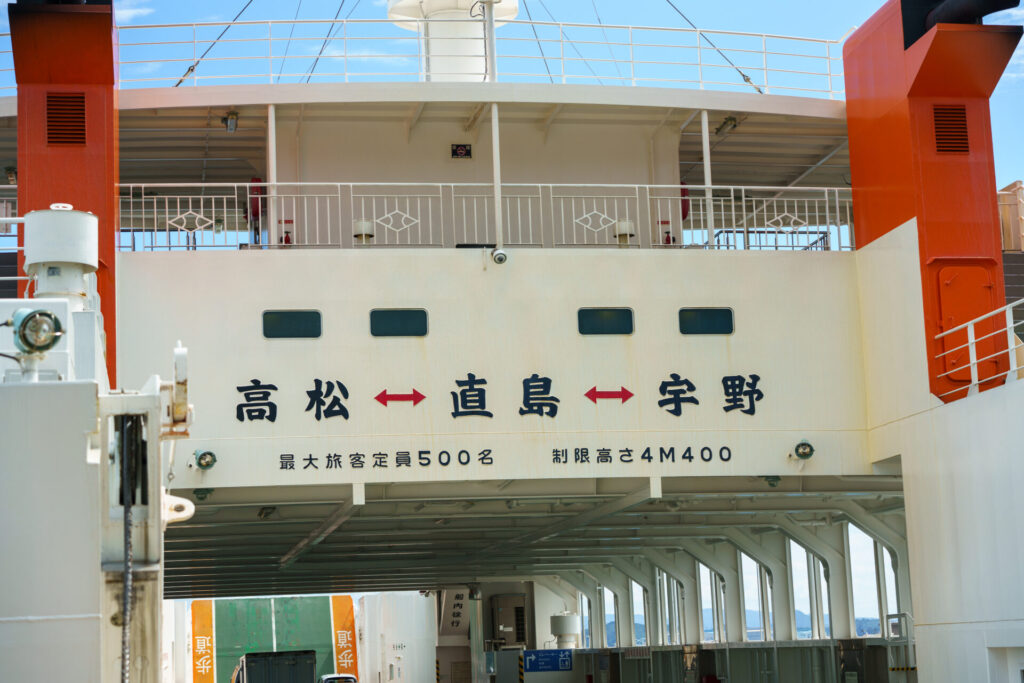
| Route | Type | Time | Adult fare (one way) |
|---|---|---|---|
| Takamatsu – Naoshima (Miyaura) | Car ferry | About 50 min | ¥680 |
| Takamatsu – Naoshima (Miyaura) | High-speed boat | About 30 min | ¥1,590 |
| Takamatsu – Shodoshima (Tonosho) | Car ferry | About 60 min | ¥700 |
| Takamatsu – Shodoshima (Tonosho) | High-speed boat | About 35 min | ¥1,400 |
Fares as of October 2026. High-speed boats carry passengers only. Check the operators’ timetables before you go.
The ferry terminals are a short walk from JR Takamatsu Station.
My #1 tip: check your return ferry before you leave. Sailings are not frequent, especially in the evening, and missing the last boat means an unplanned night on the island.
Don’t try to do both islands in one day. There’s no convenient direct connection that leaves enough time for either. Give each its own day.
Naoshima became world-famous for contemporary art museums and outdoor works built into the landscape.
The island is small. Buses link the port, the town and the museum area, but they’re infrequent and can be full in busy seasons. Renting a bicycle (e-bikes are worth it for the hills) gives you much more freedom.
Note: many museums on Naoshima are closed on Mondays. Check before you plan your day.
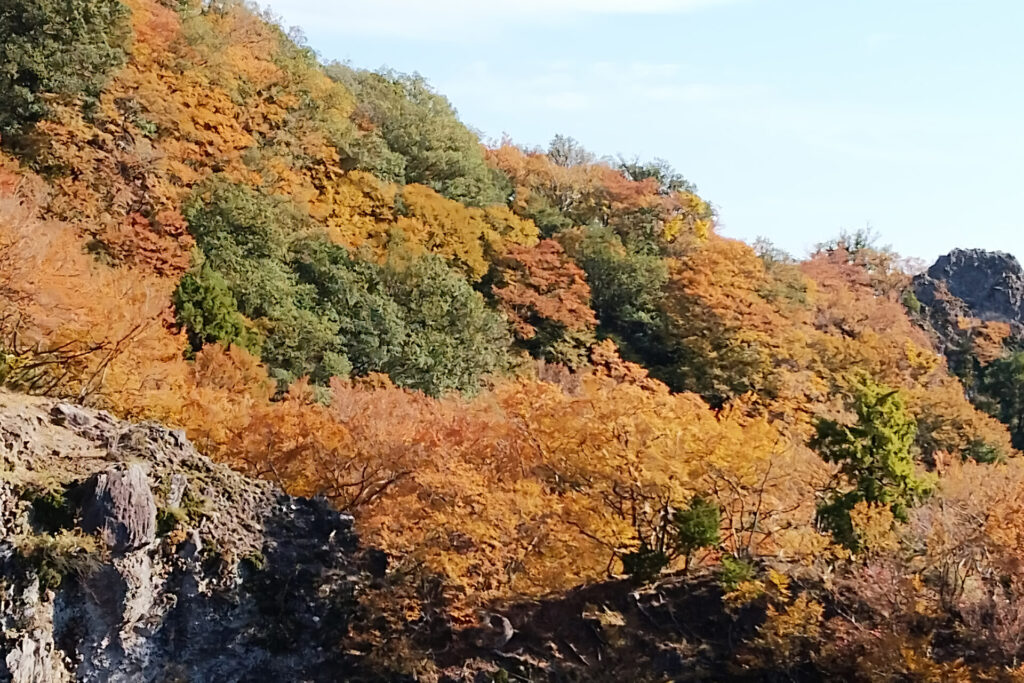
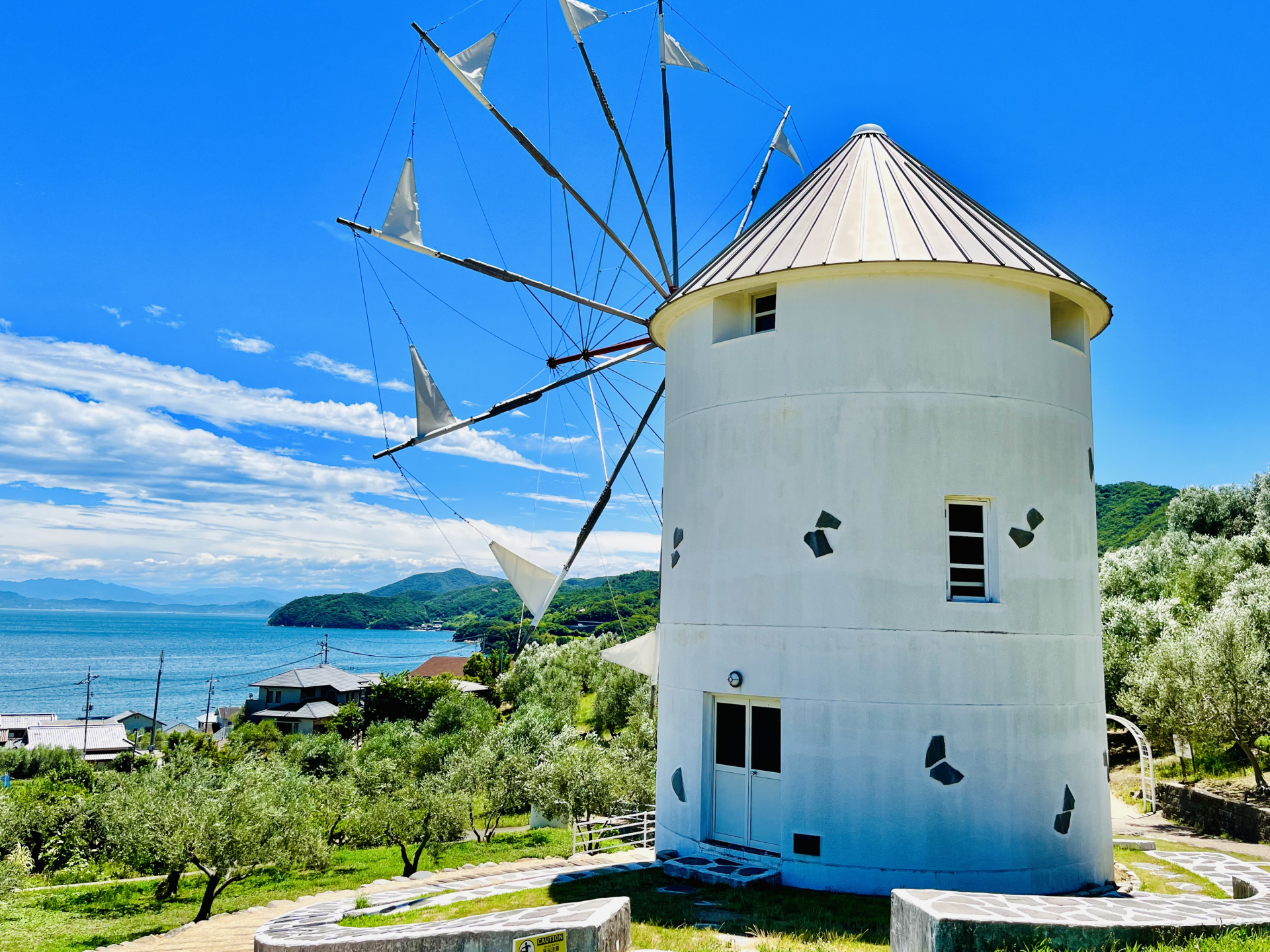
Shodoshima is much bigger than Naoshima, with mountains, a long coastline and a Mediterranean feel thanks to its olive groves. For a full island guide, see Shodoshima.
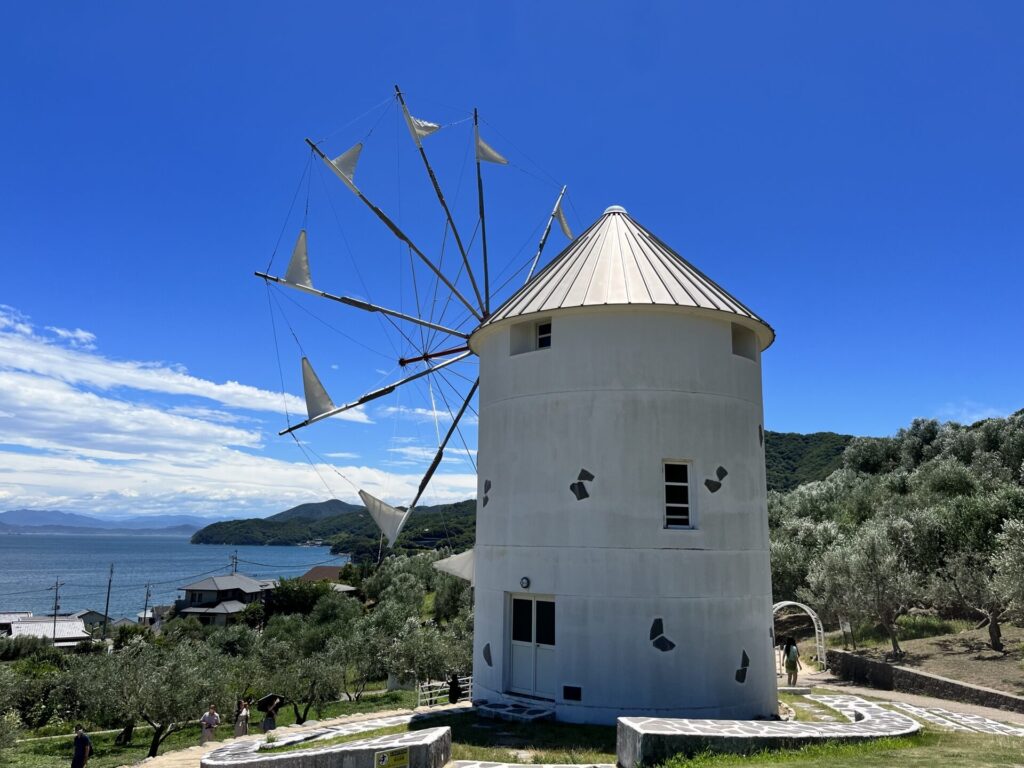
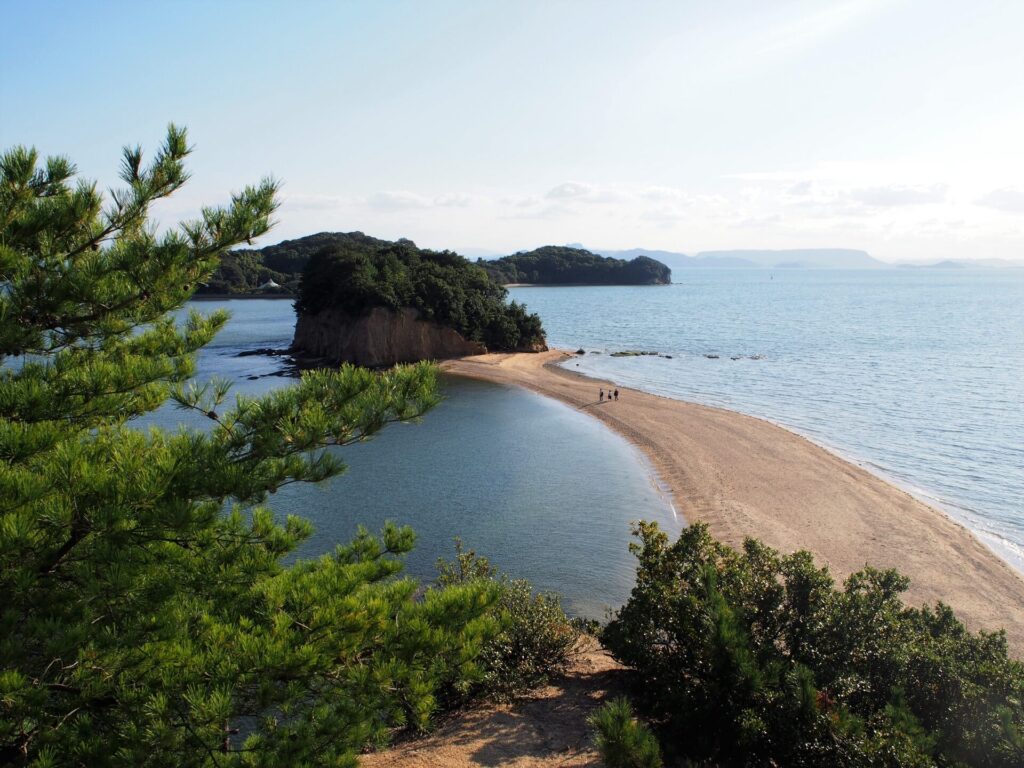
The island is big and hilly. Buses run around the island, but services are infrequent, so check the timetable and plan your day around it. For more flexibility, consider renting a car on the island or bringing one on the car ferry.
Takamatsu works well as a base for day trips to both islands.
Staying on Naoshima (including Benesse House) or Shodoshima lets you avoid the ferry rush and enjoy the islands in the evening, but rooms are limited, so book well ahead.
Can I visit Naoshima and Shodoshima in one day? Not comfortably. Give each island its own day.
Do I need to book the ferry? Generally no; buy tickets at the terminal. On busy days, arrive early.
Bike or bus? On Naoshima, a bike (ideally electric). On Shodoshima, bus or car, because distances are longer.