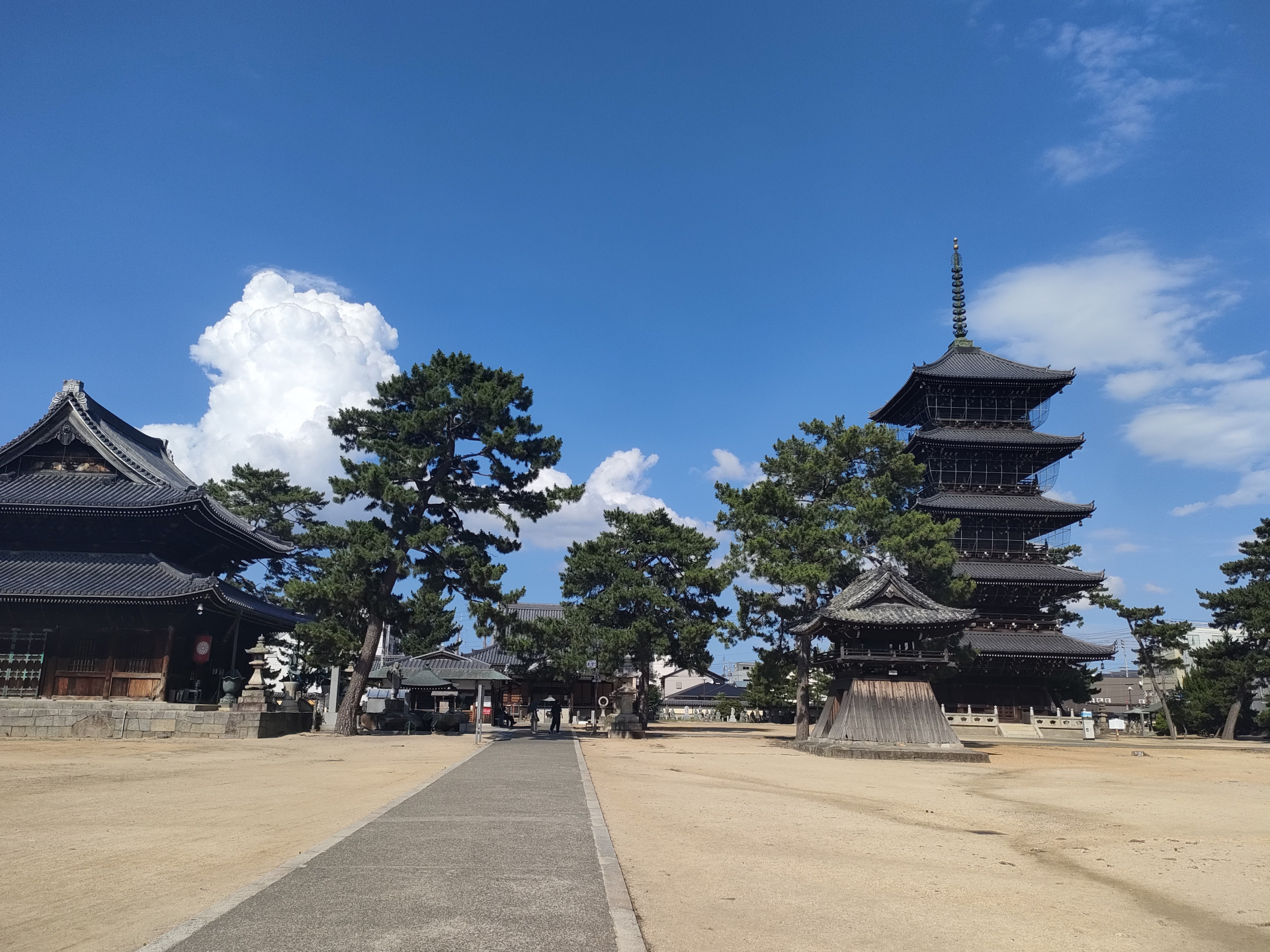
Zentsuji Temple: Kukai's Birthplace, the Five-Storey Pagoda and the Dark Kaidan Meguri (Temple 75)
Kai
Setouchi Notes
Quick answer: Naoshima has more than a dozen art sites, but the one to plan around is the Chichu Art Museum — book a timed ticket online as soon as you know your date, because if it sells out, nothing is sold at the door. Add Lee Ufan Museum and Benesse House Museum (both near Chichu) and the Art House Project in Honmura village. Most museums are closed on Mondays. Online tickets are ¥200–300 cheaper than at the door.
I’ve been to Naoshima from Takamatsu by ferry and got around the island by bus and bicycle. I’ve been inside the Chichu Art Museum, Benesse House Museum, the Lee Ufan Museum and the Art House Project. If you only have time for one, my recommendation is Chichu. Here’s how to choose and how to book.
| Museum | Online / at the door | Booking | What it is |
|---|---|---|---|
| Chichu Art Museum | ¥2,500 / ¥2,800 (weekdays); ¥2,700 / ¥3,000 (weekends & holidays) | Timed ticket required | Tadao Ando’s underground museum: Monet, James Turrell, Walter De Maria |
| Benesse House Museum | ¥1,300 / ¥1,500 | Not timed | Museum-and-hotel by Ando; includes the Valley Gallery |
| Lee Ufan Museum | ¥1,200 / ¥1,400 | Not timed | Semi-underground Ando building for the Korean artist’s work |
| Naoshima New Museum of Art | ¥1,500 / ¥1,700 | Date only | Opened May 2025; art from Asia |
| Art House Project (5 houses) | ¥1,200 / ¥1,400 | Minamidera timed | Old houses in Honmura turned into art |
| ANDO MUSEUM | ¥600 / ¥700 | — | Ando’s work inside a 100-year-old house |
| I♥湯 (bathhouse) | ¥660 at the door only | — | A public bath that is also an artwork |
Built mostly underground on a hill above the sea, Chichu shows only a few artists, in rooms designed around each work: Claude Monet’s late Water Lilies, light installations by James Turrell and a huge room by Walter De Maria. I’ve been inside, and it’s the museum I’d recommend most on the island.
How tickets work:
Both are a short ride from Chichu on the free shuttle, so it’s easy to do all three in one half-day.
In Honmura village, artists turned old houses, a shrine and a temple into artworks. I’ve visited the Art House Project myself. Buy tickets at the Honmura Lounge & Archive (9:30–16:30) or online.
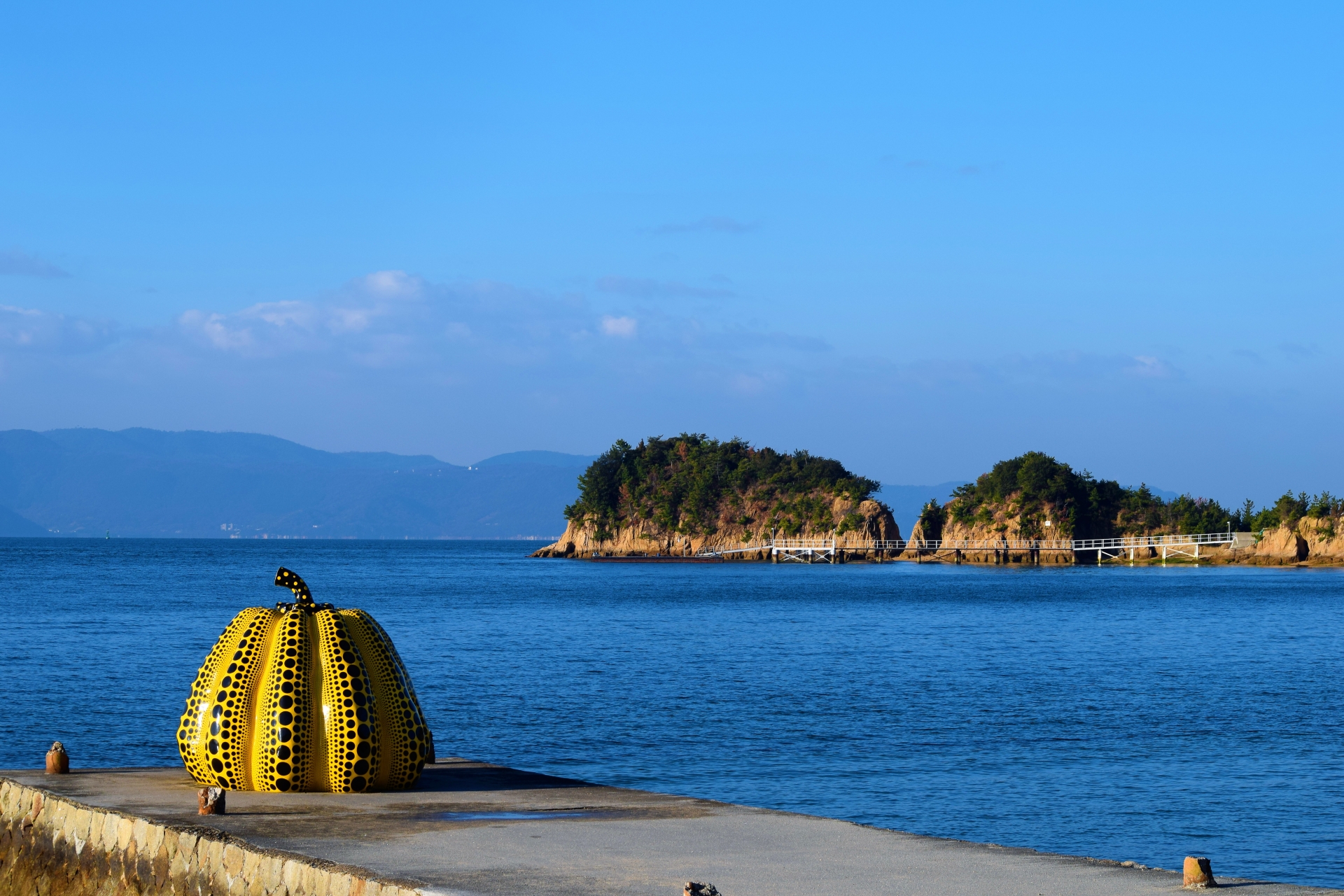
Yayoi Kusama’s yellow Pumpkin sits on a pier by Benesse House Museum, and the red Pumpkin is at Miyanoura port. The yellow one was temporarily off view after a typhoon on 24 October 2026 — check the Benesse Art Site website for its current status.
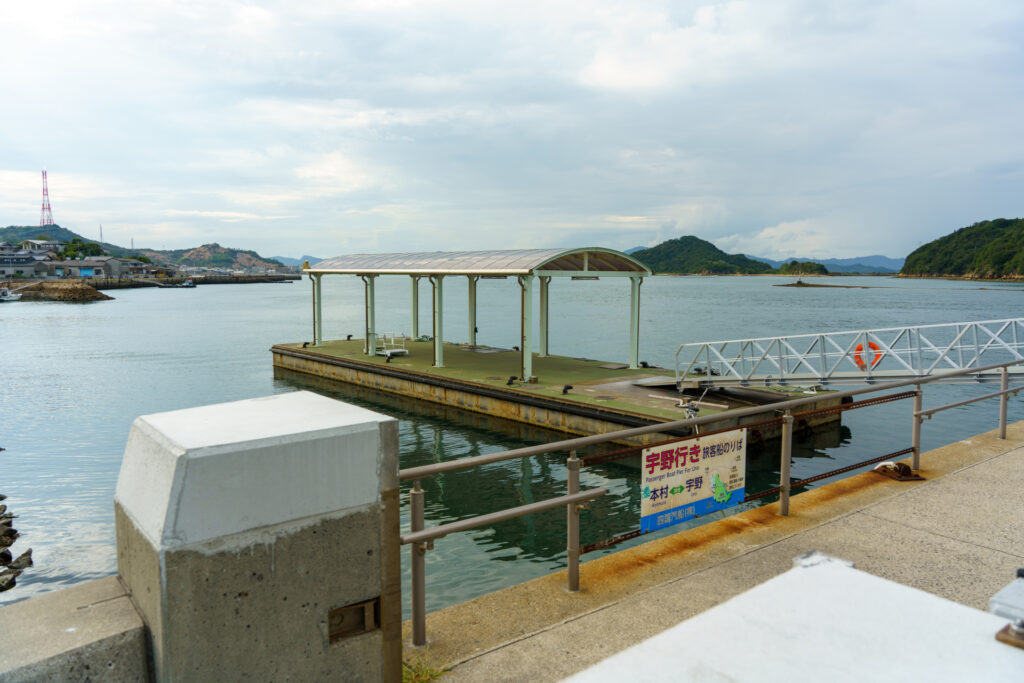
See Naoshima and Shodoshima from Takamatsu for ferry tips.
Avoid Mondays, when Chichu, Lee Ufan and most other sites are closed.
Staying on the island, including at Benesse House (museum entry is free for guests), lets you see the museums without the day-trip rush. Rooms are limited, so book early.
Which Naoshima museum is best?
For me, the Chichu Art Museum. Book it first and build your day around it.
Can I buy Chichu tickets at the door?
Only if there’s space left online. On busy days it sells out, so book ahead.
Are the museums open every day?
No — most close on Mondays (Benesse House Museum is the main exception).
Can I cycle to Chichu?
Not inside the Benesse area. Leave your bike at Tsutsuji-so and take the free shuttle.
Fees, hours and closures checked on the official Benesse Art Site Naoshima website on 26 October 2026.