Otsuka Museum of Art Guide: Tickets, How Long to Allow and What to See (Naruto, 2026)
Kai
Setouchi Notes
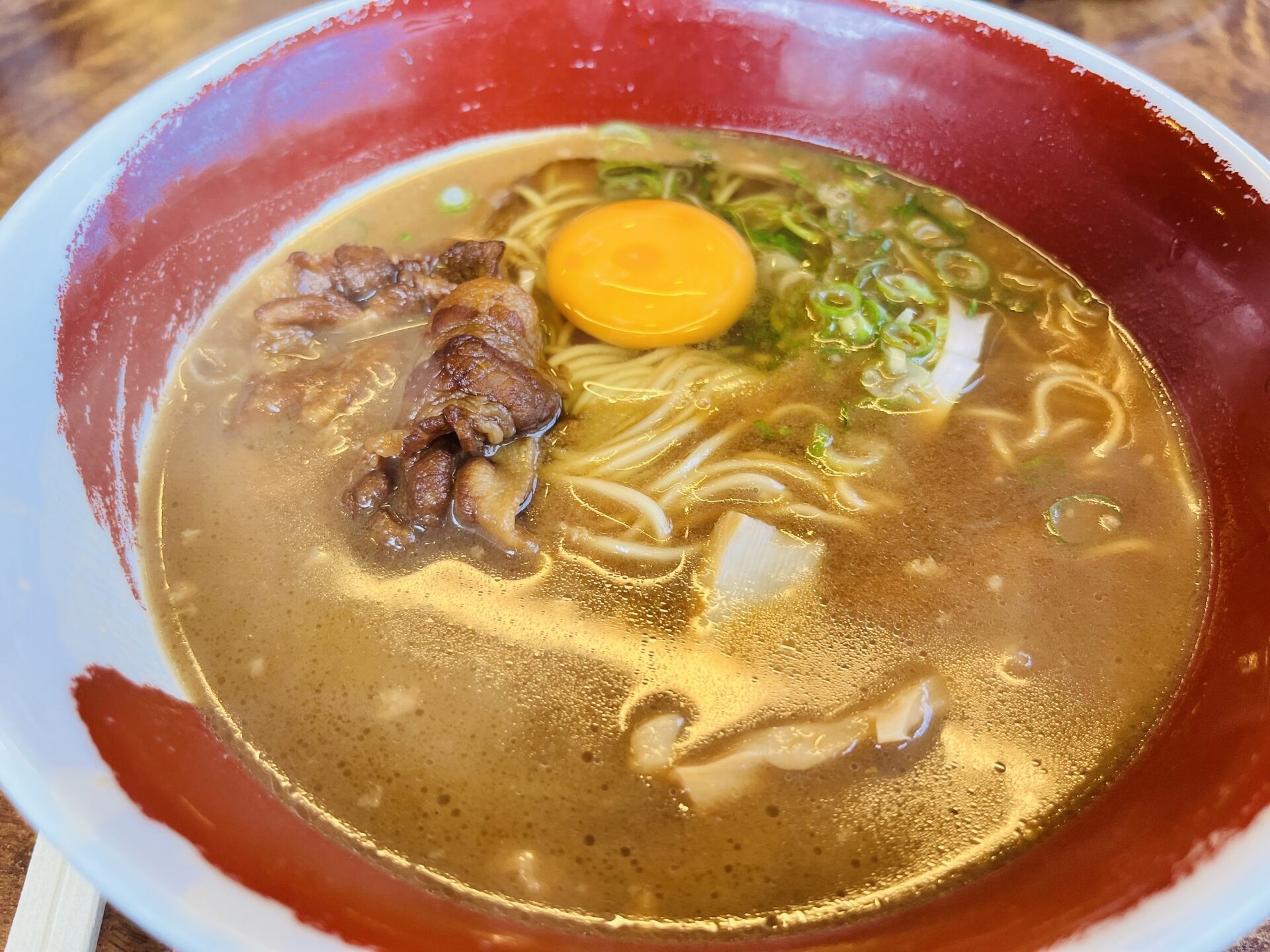
Quick answer: Eat Tokushima ramen the local way: crack a raw egg into it and order a bowl of rice on the side. Try Inotani for the classic and Menou near the station for late nights. Then look for sudachi citrus, Naruto kintoki sweet potatoes, Naruto sea bream and wakame, and the noodles of the mountains — Iya soba and Handa somen.
I live in Tokushima, and when friends visit, food is the first thing they ask about. Tokushima isn’t as famous for food as Osaka or Hiroshima, but it has one dish that ramen fans travel for, and some of the best produce in Shikoku.
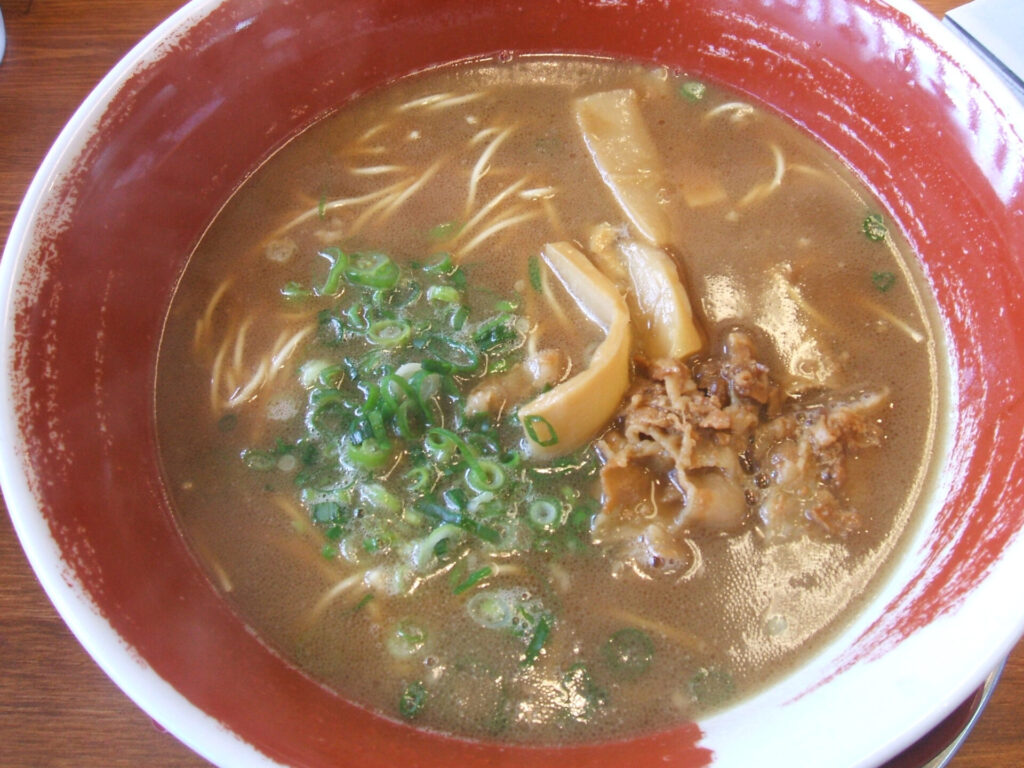
Tokushima ramen is different from the ramen most visitors know:
That’s exactly how I eat it: egg in, rice on the side. If you only order the noodles, you’re missing half the experience.
There are more than 100 ramen shops in Tokushima City alone. Here are the ones I’d send a first-timer to.
The shop that made brown-style Tokushima ramen famous across Japan, in business for over 50 years.
A local chain with its main shop about two minutes from Tokushima Station, open until midnight — handy if you arrive late by bus. You can choose how firm you want your noodles, and there are free spicy bean sprouts on the table. Their “Menou Special” comes with both chashu and pork belly.
Another famous name, known for free raw eggs — as many as you like — and, at the Daido main shop, free rice. It’s open until 4 a.m. Free extras can change, so check when you go.
Tokushima grows about 98% of Japan’s sudachi, a small green citrus. Locals squeeze it over grilled fish, soba, hot pots and much more. Field-grown sudachi comes into season from late summer into autumn, but you’ll find it (and sudachi juice, sweets and sauces) all year.
Red-skinned sweet potatoes from the sandy fields around Naruto, very sweet and fluffy. Harvested in summer and autumn and sweetest in winter after storage. Look for roasted sweet potatoes, sweet-potato sticks and sweets.
The fast currents of the Naruto Strait produce firm, well-exercised fish. Sea bream (tai) is best in spring, when it’s called sakura-dai. Naruto is also famous for wakame seaweed; fresh wakame is in season from February to early March, and dried or salted wakame makes a light souvenir.
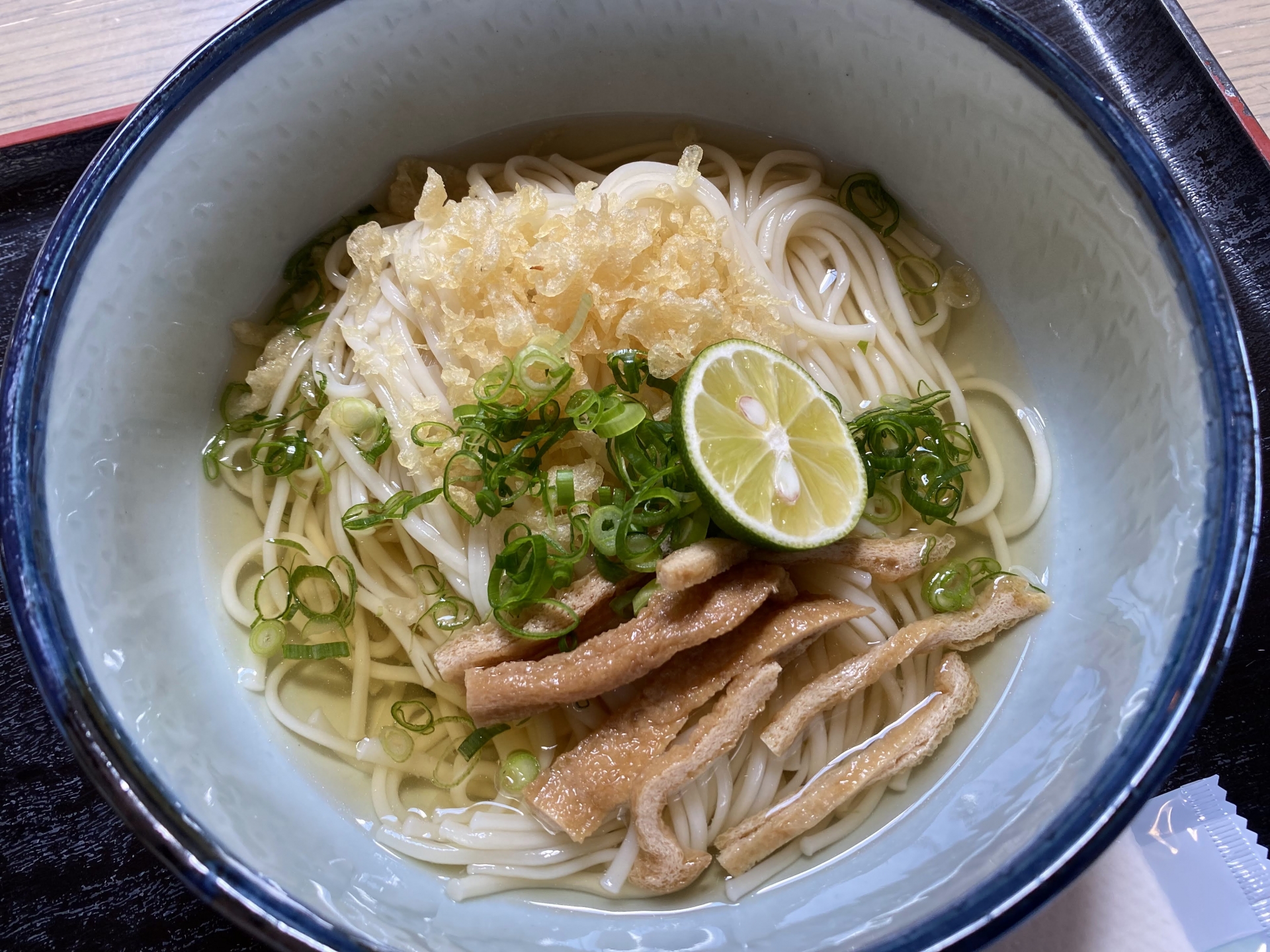
Buckwheat noodles from the Iya Valley, made with very little wheat flour, so they’re thick, short and rustic. Eat them if you visit the Iya Valley and Oboke. See my Iya Valley guide.
Thin wheat noodles from Handa in Tsurugi town, with a history of about 200 years. They’re thicker and firmer than most somen. Eat them cold in summer, or in a hot broth in winter. See Handa Somen and Tsurugi Town.
A Tokushima-only snack: fish paste spiced with curry powder, breaded and fried. It was created in Komatsushima in 1955. You’ll find it in supermarkets and on lunch menus.

Is the raw egg safe?
Japanese eggs are produced to be eaten raw, and it’s completely normal here. If you’d rather not, just skip it.
Can I get Tokushima ramen without pork?
Not really. The broth is pork-based.
Do ramen shops take cards?
Many small shops use cash ticket machines. Carry cash to be safe.