Shikoku Rail Passes in 2026: All Shikoku Rail Pass vs JR West Setouchi Pass vs Japan Rail Pass (and the 2027 Reserved-Seat Change)
Kai
Setouchi Notes
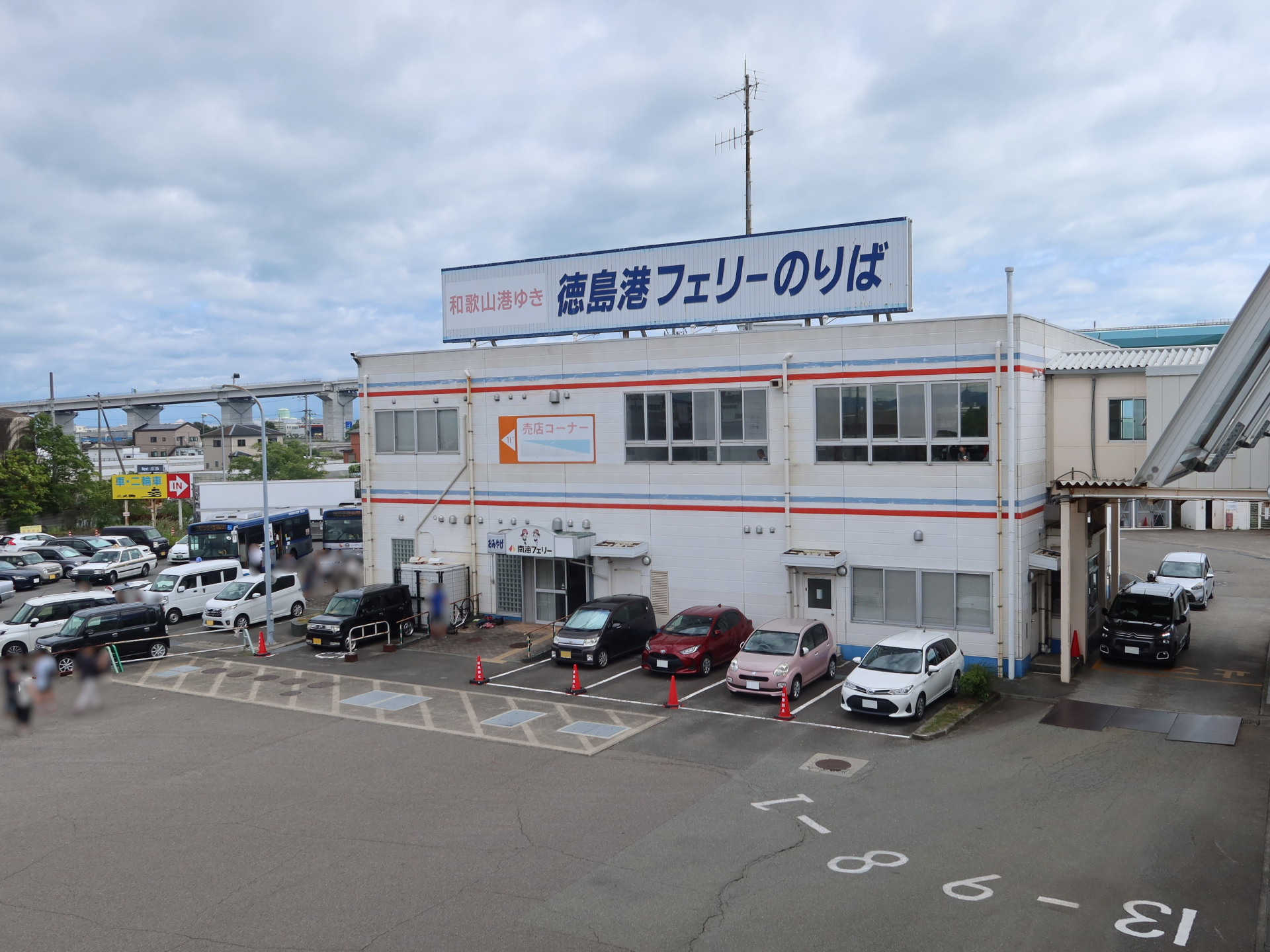
Quick answer: The Nankai Ferry crosses between Wakayama Port and Tokushima Port in about 2 hours. Since 1 August 2026 there are only 6 sailings each way a day (down from 8). A foot passenger pays ¥2,500; an ordinary car, including the driver, is ¥13,400. From Tokushima, the “Sukippu” ticket covers the ferry plus a Nankai train to Namba or Kansai Airport for ¥2,500 — the same as the ferry alone. Important: the route is scheduled to end around the end of March 2028, and the company says it may end earlier. Check before you travel.
I’ve taken this ferry with my car. I haven’t used it as a foot passenger, with a bike or motorbike, or with the rail-and-ferry ticket, so those parts are what I’ve researched.
Nankai Electric Railway, which owns the ferry, announced in March 2026 that it plans to withdraw from the route around the end of March 2028. In July 2026 the ferry company said that plan hasn’t changed. It also says the route could close sooner if the ageing ships or a shortage of crew make safe operation difficult.
Sailings were already cut from 8 to 6 round trips a day from 1 August 2026, “until further notice”, because of a crew shortage. More cuts are possible, so check the operating status page on the official site (nankai-ferry.co.jp, Japanese) before you travel.
There are two ships: Ferry Ai (built 2019) and the older Ferry Katsuragi (1999). The crossing is about 2 hours (2 h 05 min to 2 h 20 min depending on the sailing).
| Wakayama Port → | Tokushima Port | Ship |
|---|---|---|
| 05:30 | 07:35 | Ai |
| 08:25 | 10:30 | Katsuragi |
| 10:35 | 12:50 | Ai |
| 13:40 | 15:55 | Katsuragi |
| 16:20 | 18:30 | Ai |
| 21:50 | 24:05 | Ai |
| Tokushima Port → | Wakayama Port | Ship |
|---|---|---|
| 02:45 | 05:05 | Ai |
| 08:00 | 10:10 | Ai |
| 10:55 | 13:05 | Katsuragi |
| 13:20 | 15:40 | Ai |
| 16:25 | 18:35 or 18:40 (varies by day) | Katsuragi |
| 18:55 | 21:05 or 21:15 (varies by day) | Ai |
Sailings are cancelled in bad weather or for maintenance.
Current fares are valid from 1 October 2025 to 31 March 2027.
Foot passengers
| One way | Return (14 days, window only) | |
|---|---|---|
| Adult | ¥2,500 | ¥4,880 |
| Child | ¥1,250 | ¥2,440 |
Vehicles — the fare includes one adult driver; everyone else in the car pays the passenger fare. Fuel surcharge is included.
| Vehicle | Normal | Peak (29 Dec 2026 – 5 Jan 2027) |
|---|---|---|
| Kei car (small yellow-plate car) | ¥11,400 | ¥12,400 |
| Ordinary car (any length) | ¥13,400 | ¥14,400 |
| Other vehicles (vans, trucks etc.) under 6 m | ¥15,200 | ¥15,200 |
| Other vehicles under 7 m / 8 m / 9 m | ¥17,900 / ¥19,800 / ¥21,900 | same |
Ordinary passenger cars are one flat price whatever their length — the length bands apply only to buses, goods vehicles and other “other” vehicles.
Bikes — the rider pays the passenger fare on top.
| Normal | Peak | |
|---|---|---|
| Bicycle | ¥2,600 | ¥3,100 |
| Motorbike up to 125 cc | ¥3,200 | ¥3,700 |
| Motorbike over 125 cc | ¥4,400 | ¥4,900 |
A bicycle folded or packed in a bike bag rides free as hand luggage.
Extras and discounts: a Green seat costs ¥500 per person booked online or ¥1,000 bought on board (¥1,000 either way in the peak period). Booking online up to 3 hours before saves ¥500 per car and ¥100 per passenger. Cars booked online 14 or more days ahead get a bigger early-booking discount, which varies by sailing — see the fares page.
The official site has a machine-translated English version.
Add the ¥250 bus and Namba to Tokushima Station costs about ¥2,750 by train and ferry.
These facilities are on Ferry Ai: carpeted areas (including a women-only area), reclining seats, sofas, a business corner with power sockets, a Green seat lounge, free Wi-Fi, a baby room and wheelchair space.
The main alternative from Osaka is the highway bus over the Akashi-Kaikyo and Onaruto bridges: about 2 h 40 min to 3 h 10 min and about ¥4,100, with dozens of buses a day. See How to Get to Tokushima.
| Train + ferry (Namba → Tokushima Stn) | Highway bus (Osaka → Tokushima Stn) | |
|---|---|---|
| Time | about 3½–4 hours with changes | about 2 h 40 min – 3 h 10 min |
| Cost | about ¥2,750 | about ¥4,100 |
| Departures | 6 a day | dozens a day |
The ferry makes sense if:
The bus or bridge makes more sense if you need flexible times, you’re starting from Umeda, Kobe or Kyoto, or you’re travelling after March 2028.
Arriving on foot and need a car for Naruto or the Iya Valley? You can pick one up in Tokushima city. See Renting a Car in Shikoku.
See also: Tokushima City in One Day and Where to Stay in Tokushima.
Is the Nankai Ferry closing?
It’s scheduled to end around the end of March 2028, and could end earlier. Since 1 August 2026 there have been 6 sailings each way a day.
Do I need to book as a foot passenger?
No. Buy a ticket from the machine at the terminal. Cars can book online or by phone; bikes and motorbikes can’t be booked.
How much is a car?
¥13,400 for an ordinary car including the driver (¥14,400 from 29 December 2026 to 5 January 2027). Other passengers pay ¥2,500 each.
How do I get from Tokushima Port to the station?
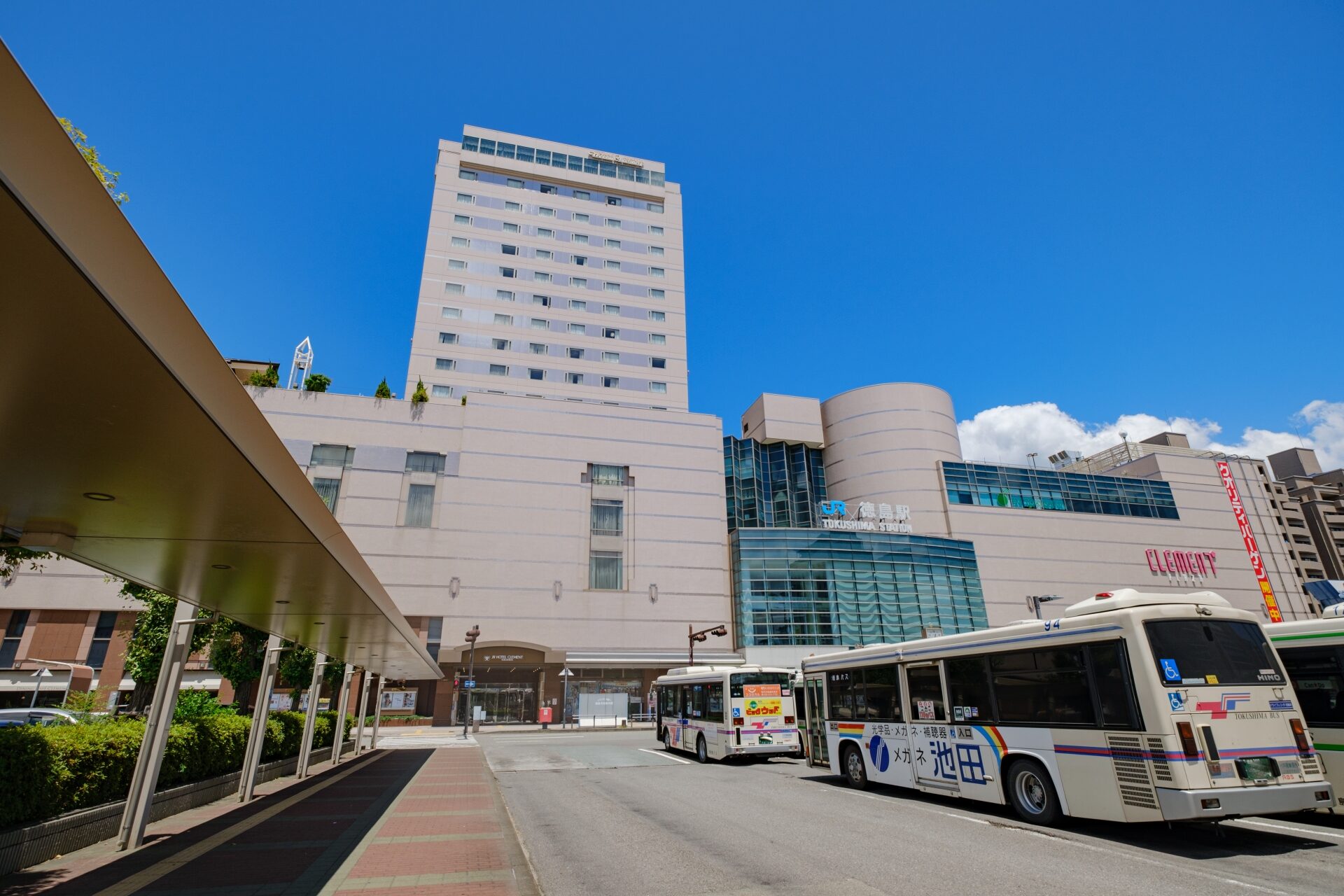
Take the city bus (about 20–25 minutes, ¥250) or a taxi (about 15 minutes).
Timetable, fares, parking and bus details checked on the official Nankai Ferry, Nankai Electric Railway and Tokushima City websites on 1 November 2026; highway bus times and fare from Ekitan on the same day.