Starting the Shikoku Pilgrimage in Tokushima: Temples 1–23 for First-Timers
Kai
This post may contain affiliate links. If you book through them, I may earn a small commission at no extra cost to you.
Quick answer: Start at Temple 1, Ryozenji, about a 10-minute walk from JR Bando Station in Naruto. You can buy everything you need there. Walking temples 1–23 is roughly 156 km, so most walkers need about a week or more. The hardest day is the mountain climb to Temple 12, Shosanji. Since April 2024 a stamp in your book costs ¥500 per temple, and stamp offices are open 8:00–17:00. No time for the whole section? Temples 1–5 make a good one-day sample.
The Shikoku Pilgrimage (ohenro) is a loop of 88 temples linked to Kobo Daishi (Kukai), the founder of Shingon Buddhism. Each of the four prefectures has a theme. Tokushima, the old province of Awa, is called the “dojo of awakening” (hosshin no dojo): the place where the pilgrim’s intention begins.
I live in Tokushima and have visited some of these temples, though I haven’t walked the pilgrimage myself. This guide covers the practical side of the Tokushima section for first-timers: getting to Temple 1, what to buy, what to do at each temple, and how to plan days and lodging.
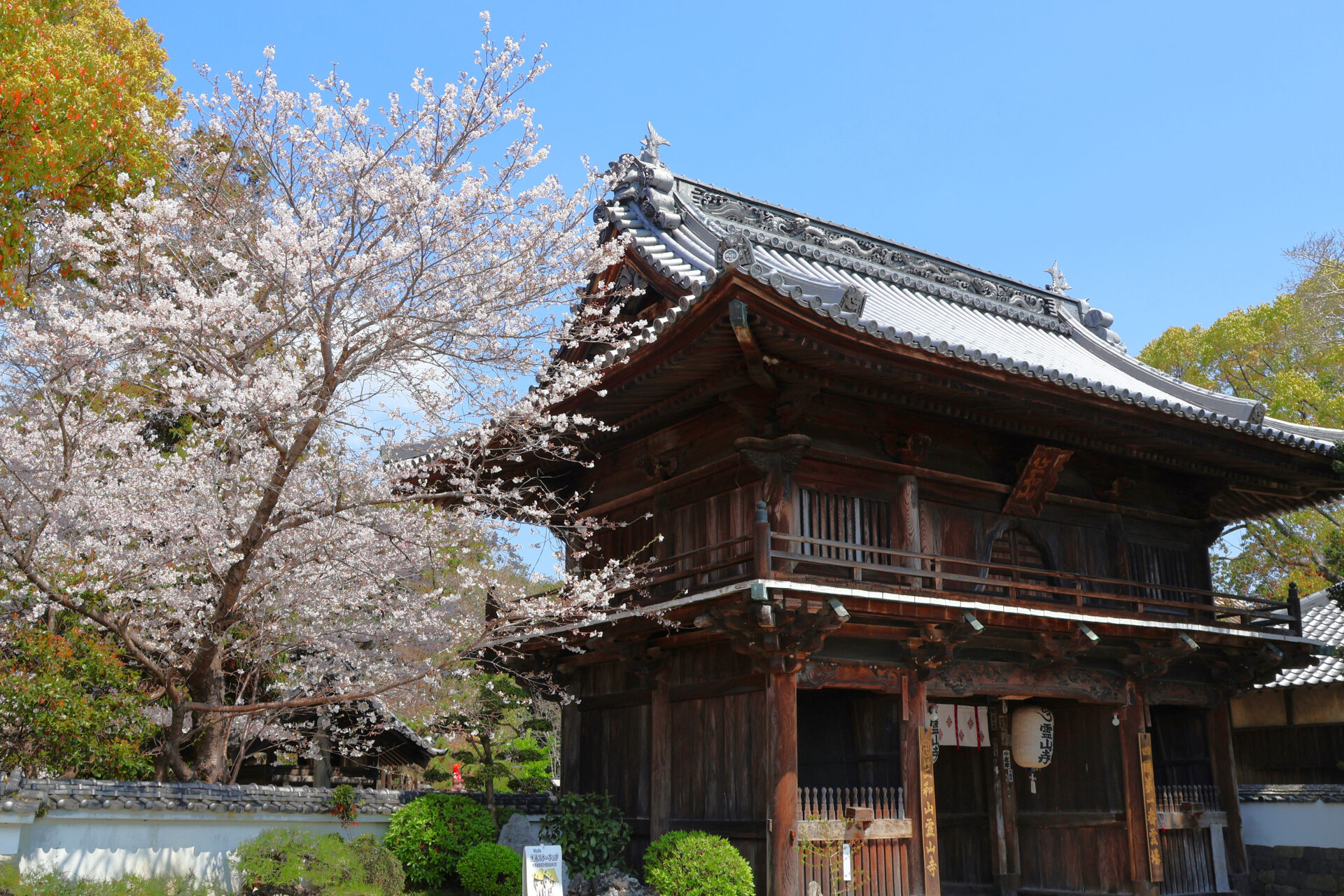
Getting to Temple 1, Ryozenji
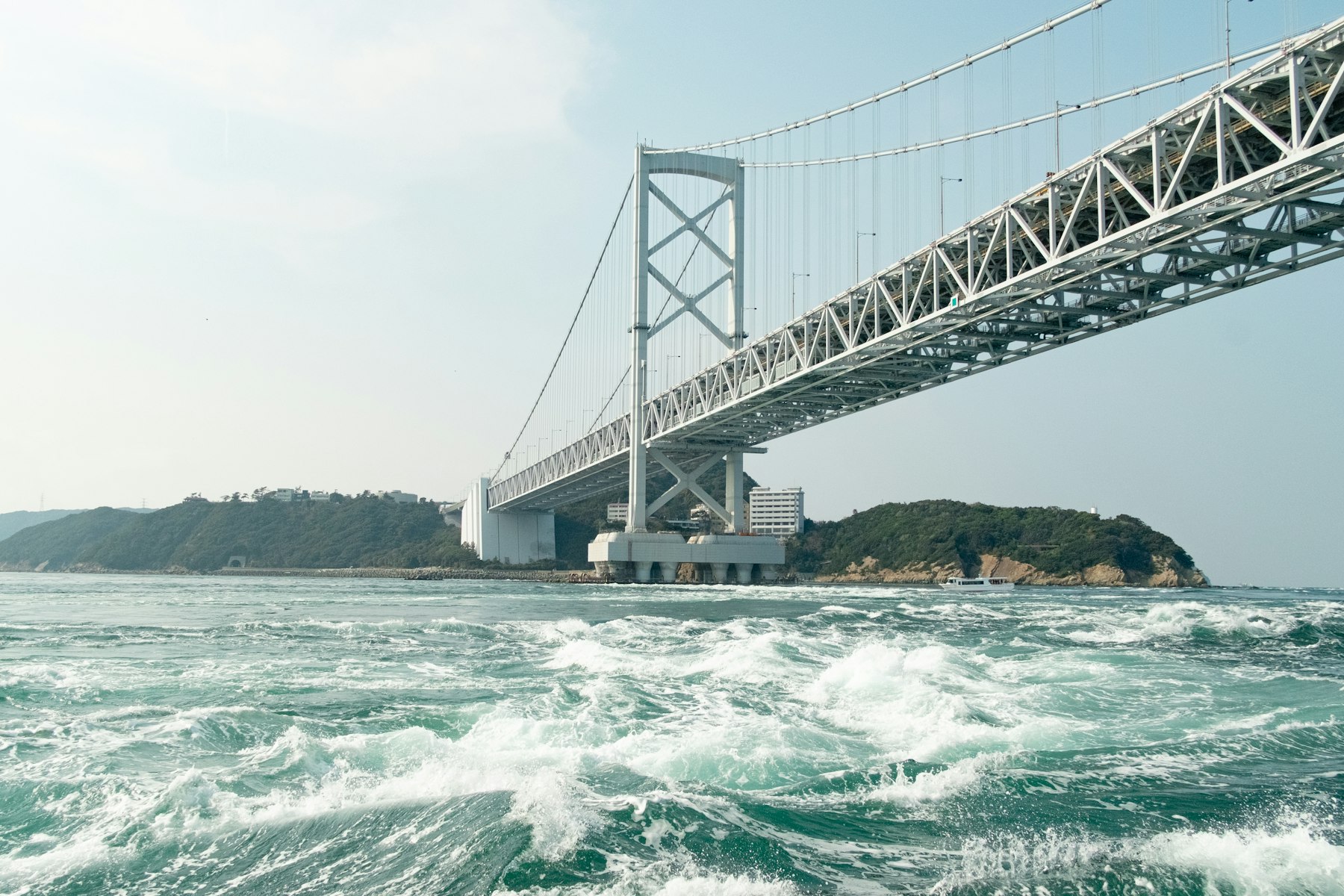
Ryozenji is in Naruto, in the northeast corner of Tokushima. To make a day of it, see Naruto Beyond the Whirlpools. The pottery village of Otani-yaki is in the same Oasa district.
By train: Take a local train on the JR Kotoku Line to Bando Station. The temple is about a 10-minute walk from the station. Limited express trains generally stop at nearby Ikenotani rather than Bando, so check local train times before you go.
By local bus: Tokushima Bus has a stop called Ryozenji-mae (霊山寺前), right by the temple. Buses are not frequent.
From Osaka, Kobe, Kyoto or Kansai Airport: Highway buses cross Awaji Island into Tokushima. Some routes bound for Takamatsu stop at Naruto Nishi (鳴門西), which is within walking distance of Ryozenji. Others go on to Tokushima Station, where you can switch to the Kotoku Line for Bando. Routes and stops change, so check with the bus company before you book.
By car: Ryozenji has a free car park. From the Tokushima Expressway’s Aizumi IC, take Prefectural Route 1 toward Itano, then Route 12 toward Naruto.
If you arrive the night before, staying in Tokushima City or Naruto lets you start early.
What to buy at Temple 1
You don’t need special gear to visit the temples. But many first-timers like to dress as a pilgrim, and Ryozenji’s shop sells the full set. Common items:
Nokyocho (stamp book) — the book that collects each temple’s red seals and brush calligraphy. This is the one item almost everyone buys.
Hakui / hakue (white robe or vest) — worn over your clothes. White traditionally stands for purity. Some pilgrims also have it stamped.
Sugegasa (sedge hat) — keeps off sun and rain.
Kongozue (walking staff) — treated as a symbol of Kobo Daishi himself. Don’t tap it on bridges (see tips below).
Wagesa (stole) — a simplified priest’s stole, worn when you pray. Take it off when you eat or use the toilet.
Osamefuda (name slips) — you write your name and a wish, and leave one at the Main Hall and one at the Daishi Hall.
Candles, incense, prayer beads (juzu) and a sutra book — and a white shoulder bag (zutabukuro) to carry them.
Just want to try it? Monzen Ichibangai, the shop in front of the temple gate, rents a full set (robe, hat, staff and stole) with a one-hour guided experience for about ¥1,650. If you buy your own, a basic set costs very roughly ¥10,000–18,000.
You can buy just the stamp book and add items later. Many of the larger temples also sell supplies.
What to do at each temple
The Shikoku 88 temples association (Shikoku Hachijuhakkasho Reijokai) describes this basic sequence:
Bow at the gate (sanmon or niomon) before you enter.
Purify at the water basin. Rinse your left hand, then your right, then rinse your mouth from your cupped left hand. Rinse the ladle handle at the end.
Ring the bell, if it is allowed. Some temples ask you not to, so check first. Strike it once, gently, before you pray.
Main Hall (hondo). Light a candle and incense, leave a name slip, make an offering, and pray or recite the sutras.
Daishi Hall (daishido). Repeat the same at the hall for Kobo Daishi.
Stamp office (nokyosho). Get your book stamped and inscribed after you pray. If you arrive just before closing, tell the staff and they may stamp first.
Bow at the gate as you leave.
A few manners the association asks for:
Put incense near the center of the burner and candles toward the back, so there is room for others.
Don’t leave unlit matches in the burner, and don’t bundle incense with tape.
Don’t take other people’s name slips home, even the gold or brocade ones.
Don’t use your staff while you pray or on bridges.
You don’t need to know the sutras by heart. Following along quietly with a sutra book is fine.
Stamp fees and hours
The fees changed on April 1, 2024. Per stamp at each temple:
Item
Fee
Stamp book (nokyocho)
¥500
White robe (hakui)
¥300
Hanging scroll (kakejiku)
¥700
Before April 2024 the fees were ¥300, ¥200 and ¥500.
Stamp office hours are 8:00–17:00 (the start moved from 7:00 to 8:00 at the same time). That hour matters on long days, so plan to reach the last temple well before 17:00. For all 23 temples, a stamp book alone comes to ¥11,500. Bring plenty of coins and small notes.
Fees as of October 2026. Check the official association site before you go.
How long does walking 1–23 take?
Using the association’s own walking distances between temples, Temple 1 to Temple 23 is about 156 km. How many days that takes depends on you:
At about 20 km a day, that works out to roughly 8 days (a rough estimate from the total distance, not an official figure).
Fitter walkers do it faster. First-timers, who are often getting blisters in the first few days, may need longer.
The section is not even:
Temples 1–10 are close together on the flat land north of the Yoshino River, about 27 km in all. Many walkers cover these in one or two days.
Temples 11–12 cross the mountains (see below).
Temples 13–17 are close together around Tokushima City.
Temples 18–23 head south toward the coast, with two more mountain temples, 20 Kakurinji and 21 Tairyuji.
From Temple 23 Yakuoji to Temple 24 in Kochi is about 83 km. Many people end a Tokushima-only trip at Yakuoji. See Hiwasa for the temple and the town.
If you have less time, there are other ways to do it. The association says you can visit in sections, by prefecture or over several trips, and many people do. A section can be done by car, bus tour or a mix of walking and transport.
The hard part: Temple 12, Shosanji
Shosanji is one of the places pilgrims call henro korogashi, roughly “where pilgrims tumble down.” The association describes it as the second-highest mountain temple on the route, reached by steep paths that have long been part of the pilgrim’s training. Shosanji is in the mountain town of Kamiyama.
From Temple 11 Fujiidera to Shosanji, the association lists about 12.5 km and 5 hours on foot, mostly up and down forest trail.
From Shosanji to Temple 13 Dainichiji is about 21.5 km, around 6 hours.
Practical points:
Start early from Fujiidera so you reach Shosanji with time before the stamp office closes.
Carry water and food. There are few shops on the mountain section.
Check the weather. Mountain trails are slippery after rain, and it gets dark early in winter.
Lighten your pack before this day if you can.
Shosanji has temple lodging (shukubo) for about 30 people, reservation required. Staying here splits the two long days in half.
Where to stay
Shukubo (temple lodging). Some temples offer rooms and simple meals. The association notes they are not hotels: facilities are basic, and you must reserve ahead. Ryozenji (Temple 1) has no shukubo. Availability changes, so check each temple directly.
Henro lodgings and minshuku. Small family-run inns along the route are used to pilgrims. Many serve dinner and breakfast. Book a day or two ahead, especially in spring and autumn.
Business hotels. Useful around Tokushima City (Temples 13–17) and near train stations.
New in November 2026: a pilgrim hostel, Good Henro Hostel T1 Naruto, is due to open beside JR Bando Station, about a 9-minute walk from Temple 1, with a free briefing on etiquette and the route before you set off. Temple 6, Anrakuji, has large temple lodging with a hot spring bath, a natural end point if you walk Temples 1–6 on your first day.
Spring and autumn are the busiest seasons for pilgrims, and stamp offices can get crowded too.
No time for the whole section? A 1-day sampler
If you have only a day, start at Ryozenji and walk part of the route.
Temples 1–5 on foot: about 11 km of mostly flat walking, roughly 3 hours of walking time by the association’s figures, plus time at each temple. A good taste of the pilgrimage in one day. Check how you will get back before you set out: buses are infrequent, and a taxi may be easier.
Temples 1–10 by car: the driving times between them add up to about 1.5 hours, so you can visit all ten temples in one day with time to pray and collect stamps. On foot, 1–10 (about 27 km) is a full day or more for most people.
Buy a stamp book at Temple 1 even for a short visit. You can continue from the same book on a later trip.
Practical tips
Respect the practice. Many people on the route are walking for prayer, mourning or personal reasons. Keep your voice down in the temple grounds and ask before photographing people.
Osettai. Local people sometimes offer pilgrims small gifts such as a drink or a snack. It is polite to accept with thanks. Some pilgrims give a name slip in return.
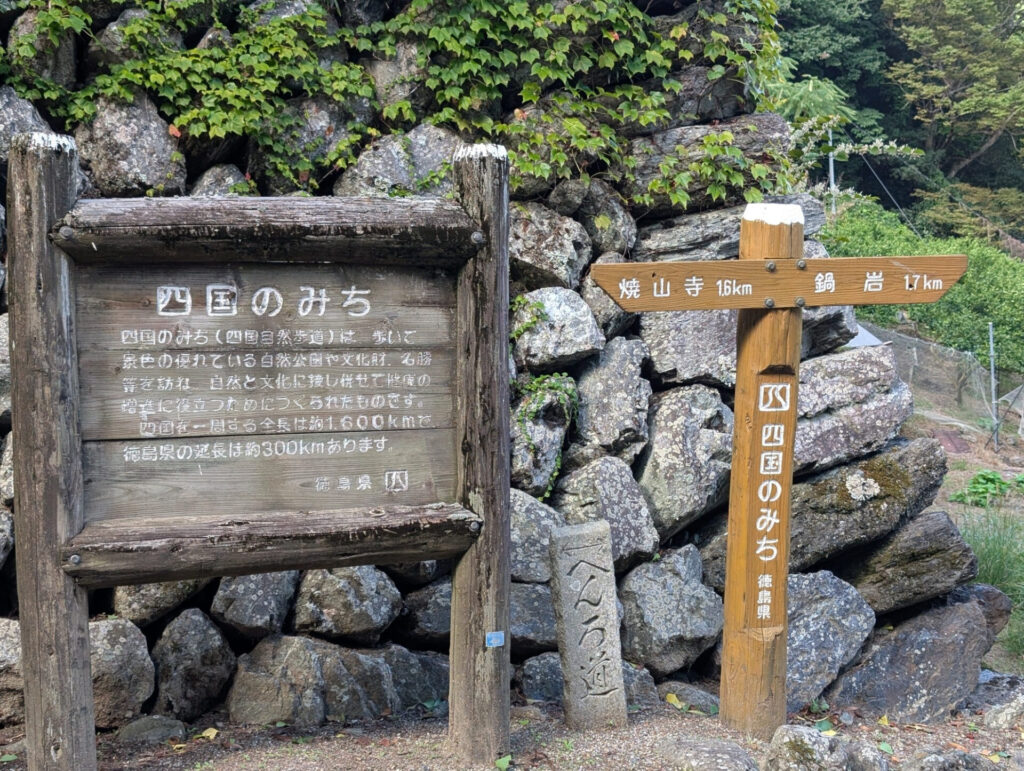
Follow the small red henro signs and stickers. They mark the walking route, which often differs from the car road.
Cash. Stamp fees, small inns and rural shops often take cash only.
Footwear. Shoes you have already broken in matter more than any gear you buy.
Last stamp of the day. Plan backward from 17:00.
FAQ
Do I have to be Buddhist to do the pilgrimage?
No. People of any background visit. Following the basic sequence respectfully is what matters.
Do I have to wear the white robe?
No. It is a tradition, not a rule. Many people visit in ordinary clothes and just carry a stamp book.
How much is a temple stamp?
¥500 per temple in a stamp book since April 1, 2024. ¥300 on a white robe, ¥700 on a scroll.
What time do stamp offices close?
17:00. They open at 8:00.
Can I start at a temple other than Temple 1?
Yes. The association says you can visit in whatever order and sections suit you, but most first-timers start at Ryozenji.
ABOUT THE WRITER
Kaz
Tokushima local with family roots in Hiroshima
I live in Tokushima and my family is from Hiroshima, where I also used to live. I still go back several times a year. The guides here come from places I have actually been. Where I haven't tried something myself, I say so.