Shikoku Pilgrimage by Car in One Day: Temples 1–10 Model Course
Kai
Setouchi Notes
Quick answer: The most local Tokushima souvenirs are made from its own produce. Look for sweets made with Naruto kintoki sweet potatoes, anything made with sudachi (Tokushima ships 98% of Japan’s sudachi), fish katsu from Komatsushima, and Awa wasanbon, a traditional sugar made from native cane. The easiest places to buy are Clement Plaza in the Tokushima Station building (10:00–20:00), the shop on the 1st floor of Awa Odori Kaikan, and Skyshop Shirasagi at the airport. If you’re driving, Kuru Kuru Naruto roadside station has a big selection.
I live in Tokushima, and these are the local souvenirs I often buy and recommend: Naruto kintoki sweets, sudachi products, fish katsu and wasanbon sugar. Below is what each one is, who makes it and where to buy it, plus a few other local classics I’ve researched.
Naruto kintoki (鳴門金時) is Tokushima’s sweet potato, and local makers turn it into cakes and pastries.
| Product | Maker | Example price |
|---|---|---|
| Mamma Rosa (マンマローザ) | ilrosa (イルローザ) | 5 pieces ¥734, 12 pieces ¥1,782 |
| Naruto Kintoki Potelette (ポテレット) | ilrosa | 5 pieces ¥734, 10 pieces ¥1,512 |
| Tanuki no Hoppe (たぬきのほっぺ) | Hallelujah (ハレルヤ) | ¥180 each, 4 for ¥720, 8 for ¥1,600 (before tax) |
ilrosa has been making sweets for about 40 years. Tanuki no Hoppe is new: Hallelujah launched it in July 2026. It’s mochi dough with a 100% Naruto kintoki filling, and it sold more than 110,000 in its first six weeks.
These prices come from 2025–2026 listings, so check before you buy.
Hallelujah’s Kincho manju (金長まんじゅう) is another long-standing Tokushima sweet. It was launched in 1937 and reaches its 90th anniversary in 2027. The white bean paste is made with wasanbon. 5 pieces cost about ¥540, and it keeps for about two weeks.
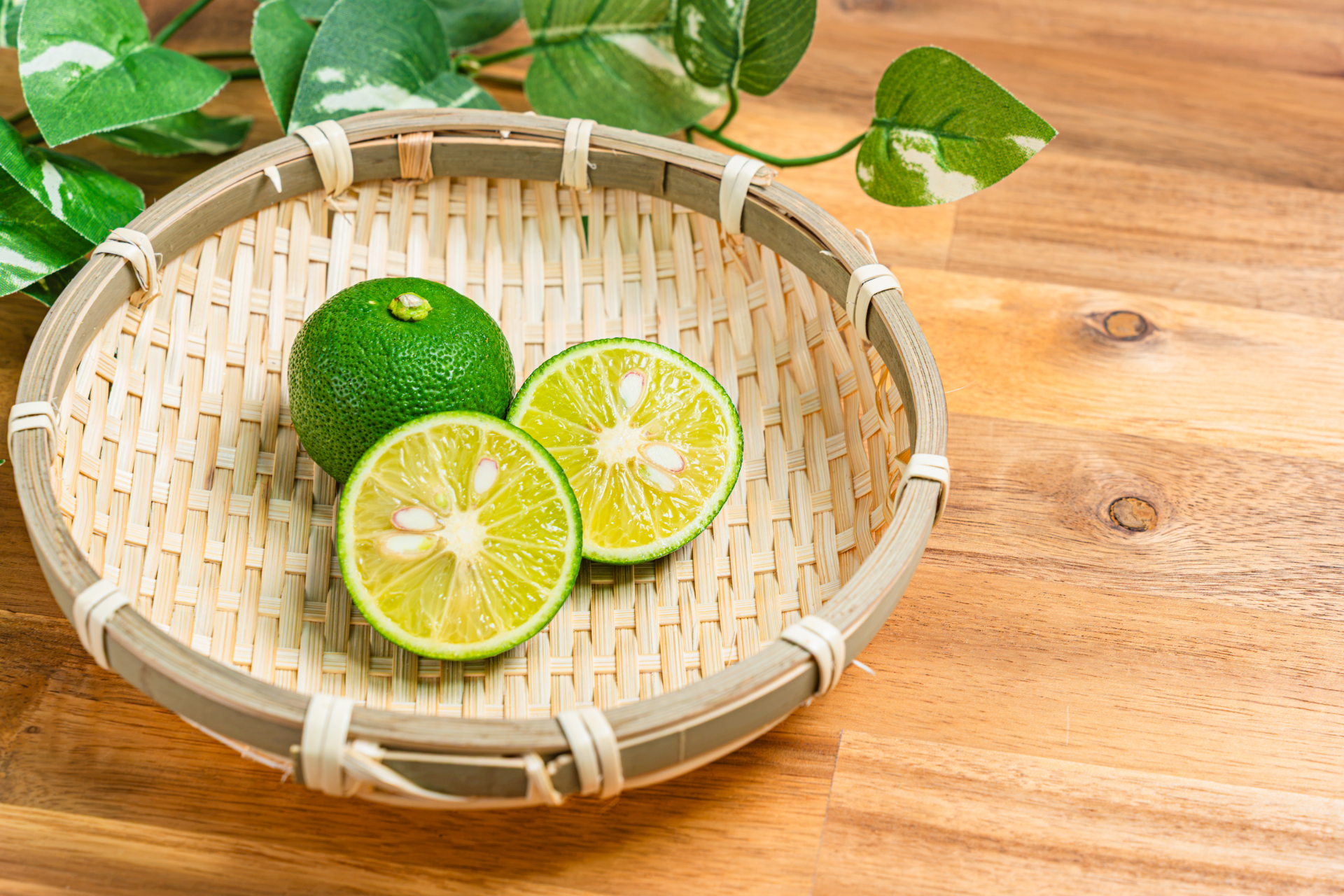
Sudachi (すだち) is a citrus fruit, and almost all of Japan’s sudachi comes from Tokushima. “Tokushima Sudachi” is a registered Geographical Indication (GI), the prefecture has 98% of national shipments, and it has been Tokushima’s prefectural flower since 1974.
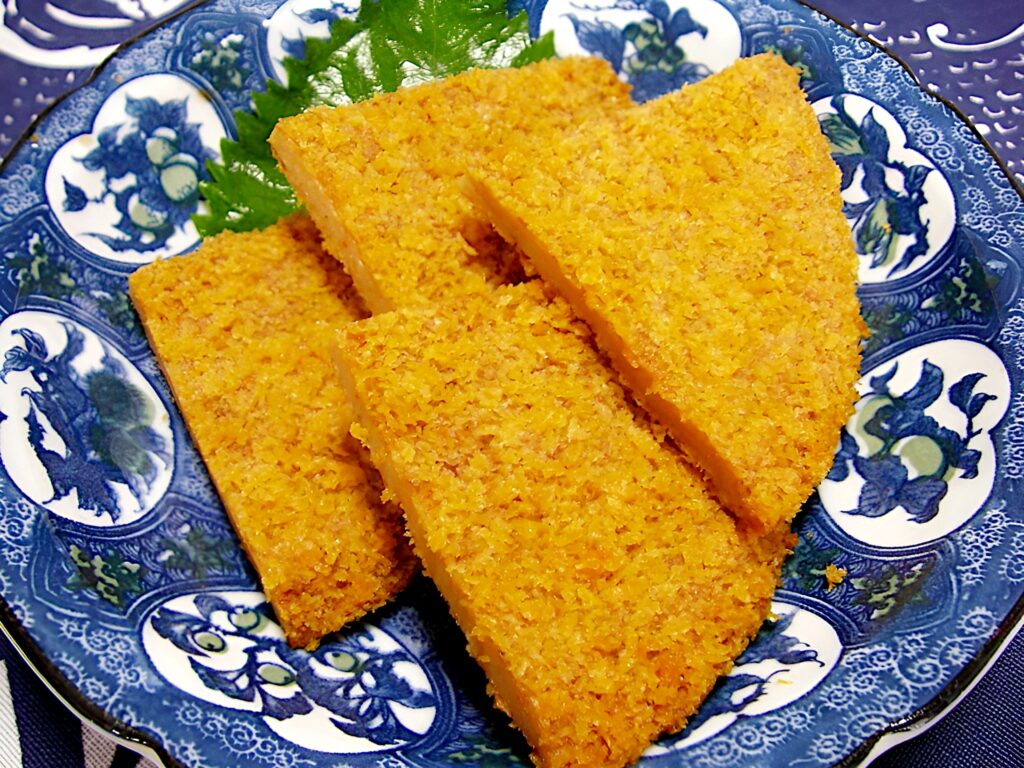
Fish katsu (フィッシュカツ) is a breaded, deep-fried fish-paste cutlet from Komatsushima. It was invented in 1955 by Tsukushi Kamaboko.
Tani Chikuwa Shoten (谷ちくわ商店) in Komatsushima, which has made fish paste since the late Meiji era, sells its own version called katsu-ten (カツ天).
Awa wasanbon (阿波和三盆) is a traditional Japanese sugar made from chikutō, a native sugar cane. It’s used in Japanese sweets, including Kincho manju and Saoshika.
| Where | What to know |
|---|---|
| Clement Plaza (Tokushima Station building) | 10:00–20:00, with Tokushima souvenir shops. Hallelujah has a shop on B1F. |
| Awa Odori Kaikan, 1F “Arudeyo Tokushima” | A shop for prefectural products. 9:00–20:00 (until 18:00 on 21–27 Dec and 2–11 Jan). The building closes on the 2nd Wednesday of Feb, Jun, Sep and Dec, and 28 Dec–1 Jan. |
| Fujiya | Main store in Tokushima city (8:20–20:00) and a counter in the Amico building’s East wing B1 (10:00–19:00). |
| Tokushima Awaodori Airport | Skyshop Shirasagi on the 3rd floor (departures). |
| Kuru Kuru Naruto roadside station | Opened in 2022; one of Shikoku’s largest roadside stations. Naruto kintoki, wakame and sweets shops. 9:00–17:00 (varies by season). |
Hallelujah’s main store is in Matsushige. Its AEON Mall Tokushima shop was closed for renovation in September 2026, so check before you go.
See Tokushima City in One Day, What to Eat in Tokushima, Naruto Beyond the Whirlpools and How to Get to Tokushima.
Which Tokushima souvenirs are the most local?
Sudachi products and Naruto kintoki sweets, because both are made from Tokushima’s own produce. Kincho manju (since 1937) is a long-standing local sweet.
Where can I buy souvenirs near Tokushima Station?
Clement Plaza in the station building (10:00–20:00). Awa Odori Kaikan’s 1st-floor shop is another option.
Can I buy souvenirs at Tokushima Airport?
Yes, at Skyshop Shirasagi on the 3rd floor, in the departures area. See Shikoku Airports to the City.
What is wasanbon?
A traditional Japanese sugar made from native chikutō cane. It’s used in Tokushima sweets such as Kincho manju and Saoshika.
Prices, hours and shop details checked on maker, prefecture and shop websites and travel guides on 29 October 2026. Prices change often, so check before you buy.