One Day in Tokushima City: Mt. Bizan, an Awa Odori Show, a River Cruise and Ramen (Local's Plan)
Kai
Setouchi Notes
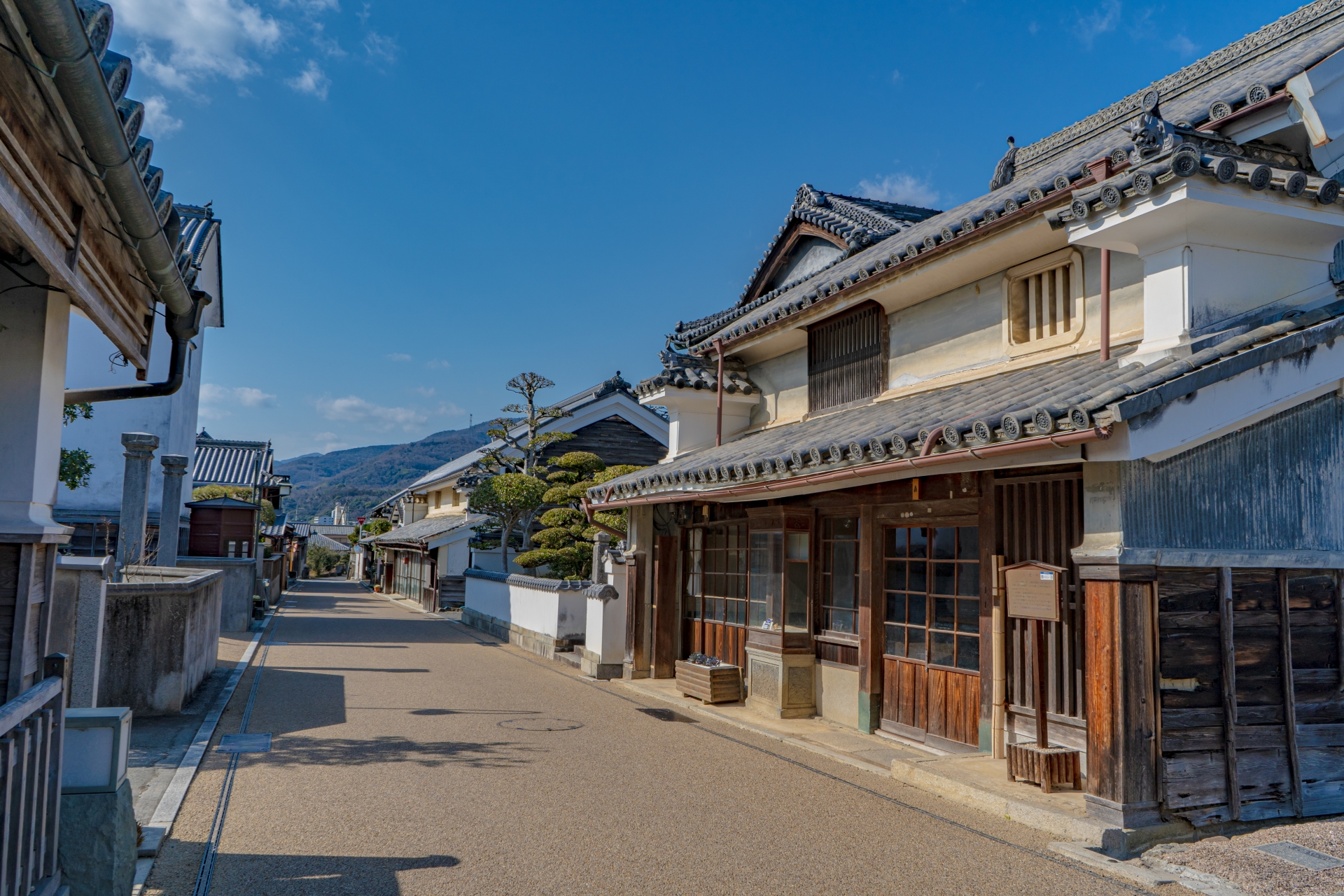
Quick answer: Wakimachi (Mima City, western Tokushima) is an old indigo merchant town whose main street is lined with houses topped by udatsu — decorative firewalls that showed off a family’s wealth. It’s a nationally protected historic district, about 40 minutes from Tokushima city by expressway. Walk the street, visit the Yoshida-ke Residence (¥510), and step inside the Odeon-za, a 1934 movie theatre (¥200; closed Tuesdays). Park at the Ai Land Udatsu roadside station next to the street. Easy to combine with Oboke and the Iya Valley.
I live in Tokushima, and I’ve walked Wakimachi’s udatsu street and been inside the old Odeon-za theatre. It’s an easy stop on the way to Iya. Here’s what to see.
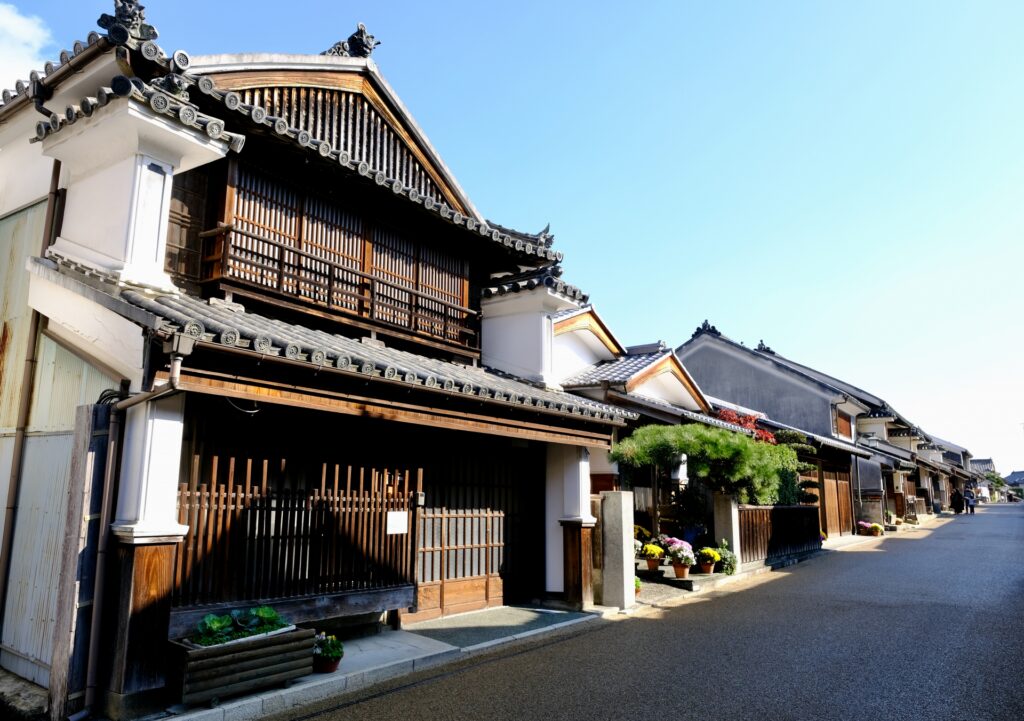
Look up at the houses on the main street and you’ll see thick plastered walls with little tiled roofs, sticking out at each end of the upper floor. These are udatsu. They began as firewalls to stop fire spreading between wooden houses, then became a way for merchants to show off: the grander your udatsu, the richer your family.
That’s the origin of a Japanese saying, udatsu ga agaranai — literally “your udatsu won’t go up” — meaning someone who never gets ahead in life.
Wakimachi grew as a castle town and then as a trading hub for indigo (ai), Tokushima’s famous dye. Boats carried indigo down the Yoshino River, and the merchants who grew rich built the houses you see today. In 1988 the street became a nationally protected historic district, with 85 traditional buildings from the mid-Edo period to the early Showa period.
The main street is an easy stroll. I’ve walked it myself. Most houses are private homes or shops, so be considerate when taking photos.
The house of an indigo merchant family who started trading in 1792. You can walk through the main house and storehouses, including the old indigo store, and see how a wealthy merchant family lived.
A wooden theatre built in 1934, a short walk from the udatsu street. After it appeared in a 1990s film by director Yoji Yamada, it was restored and reopened in 1999. Inside you can see the old stage and seats. I’ve been inside myself.
At the town’s tourism exchange centre you can try indigo dyeing (10:00–16:00; booking recommended). For more on Tokushima indigo, see One Day in Tokushima City.
Wakimachi is on the way from Tokushima city to western Tokushima. A good plan:
See Iya Valley and Oboke and Where to Stay in Tokushima. Just west is Tsurugi town, home of Handa somen and another udatsu street.
What is Wakimachi famous for?
Its udatsu street — merchant houses with decorative firewalls, built by indigo traders.
How long do I need?
About 1–2 hours for the street, the Yoshida-ke Residence and the Odeon-za.
Is the Odeon-za open every day?
No, it’s closed on Tuesdays.
How do I get there without a car?
JR to Anabuki Station, then about 10 minutes by taxi.
Opening hours and fees checked on the official Mima City website on 25 October 2026.