One Day in Tokushima City: Mt. Bizan, an Awa Odori Show, a River Cruise and Ramen (Local's Plan)
Kai
Setouchi Notes
Quick answer: The Otsuka Museum of Art in Naruto shows more than 1,000 of the world’s most famous paintings, reproduced at full size on ceramic panels — the Sistine Chapel, Monet’s Water Lilies, Van Gogh’s Sunflowers, Vermeer and more. Tickets are ¥3,300 (¥3,160 online). It’s closed most Mondays. The route is about 4 km, so wear comfortable shoes and allow at least half a day. You can take photos. It’s easy to combine with the Naruto whirlpools on the same day.
I live in Tokushima and I’ve driven to this museum two or three times. The ticket is expensive by Japanese museum standards, but I think it’s worth it. Here’s how to plan your visit.
It’s a museum of reproductions — but not prints or posters. Each work is fired onto ceramic panels at the original size, so you see the real scale of paintings and whole rooms of frescoes. There are 1,095 works from around 190 museums in 26 countries, arranged roughly in historical order from ancient murals to 20th-century art.
Because they’re not originals, you’re allowed to take photos — something you can’t do in many of the museums where the originals hang.
| At the door | Online | |
|---|---|---|
| Adult | ¥3,300 | ¥3,160 |
| University student | ¥2,200 | ¥2,140 |
| School students | ¥550 | ¥530 |
Yes, ¥3,300 is a lot for a Japanese museum. But you’d need to visit dozens of museums across Europe and the US to see all of this, and you can easily spend a whole day here.
The museum is built into a hillside. You go up a long escalator and start at the bottom floor (B3), then work your way up.
The first room is the one people remember: a full reproduction of Michelangelo’s Sistine Chapel, walls and ceiling. Look up, then find a bench and take your time.
Monet’s large Water Lilies (the Orangerie version) are displayed outdoors, beside a pond, so you see them in natural light. Go on a fine day if you can.
The Scrovegni Chapel by Giotto (a whole walk-in room), Picasso’s Guernica, the Mona Lisa, The Last Supper shown before and after restoration, and Munch’s The Scream.
Tip: you won’t see everything. Pick the rooms you most want to see on the floor map, then wander.
The museum doesn’t give a total time, but the route is about 4 km. I’d plan half a day (3–4 hours) for the highlights, and a full day if you love art.
There’s a restaurant and two cafés inside, which is useful because the museum is outside the town centre.
| Floor | Hours | |
|---|---|---|
| Restaurant Garden | 1F | 11:30–14:00 |
| Café de Giverny | B2 | 10:30–16:00 |
| Café Vincent | B3 | 14:00–16:30 (from 12:00 on weekends) |
You need an admission ticket to use them.
I’ve always driven. The museum is about 3 minutes from Naruto-Kita IC. The free car park (450 spaces) is about 500 m away, and a free shuttle bus runs continuously to the entrance. The last car park entry is 15:50. See Renting a Car in Shikoku.
See How to Get to Tokushima for buses from Osaka and Kobe.
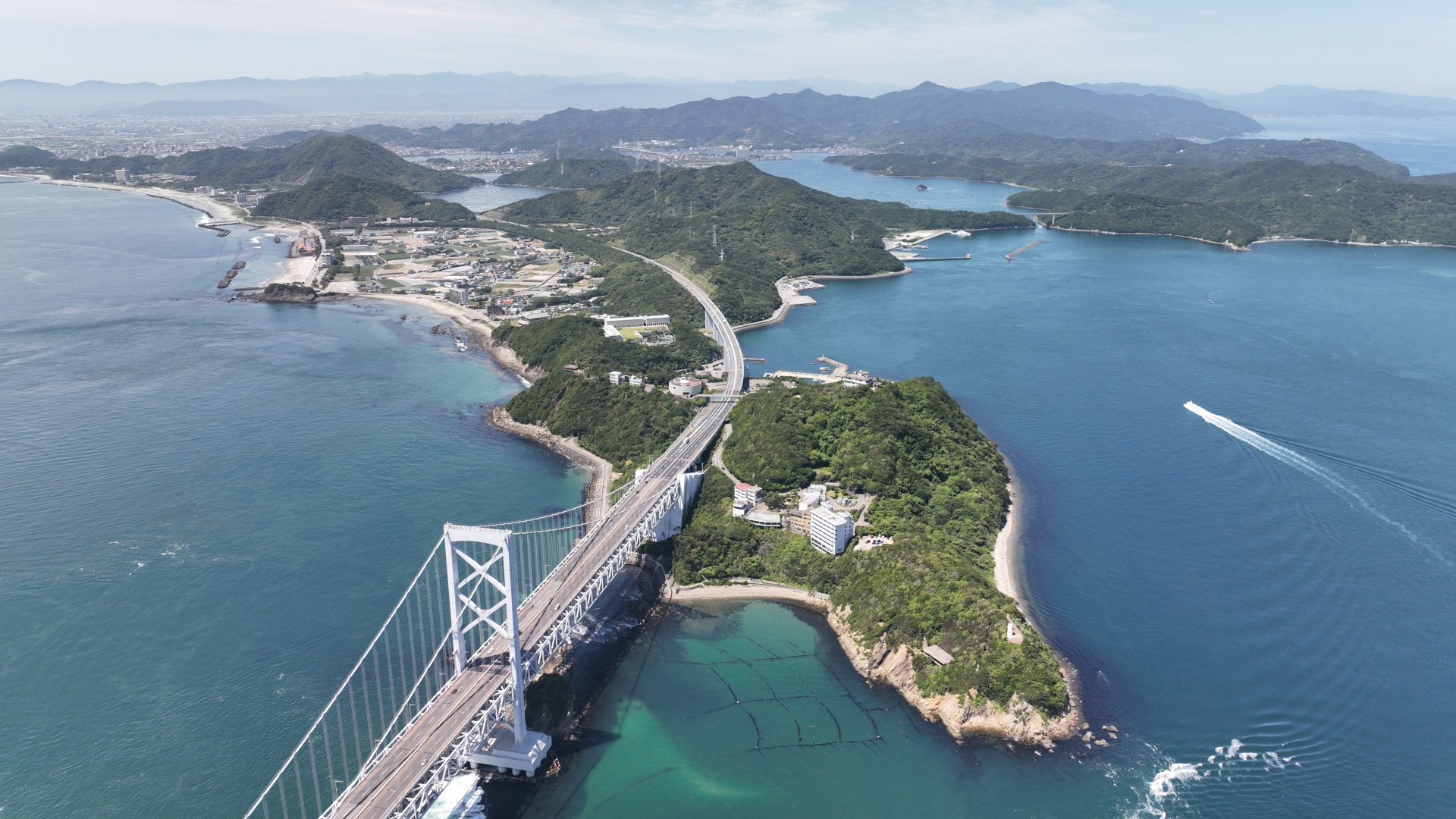
The museum is right next to the Naruto Strait, so you can see the whirlpools on the same day. Check the tide times first: go to the whirlpools at the best time, and spend the rest of the day at the museum. See Naruto Whirlpools.
Is the Otsuka Museum of Art worth it?
In my opinion, yes. The ticket is expensive, but seeing the Sistine Chapel and hundreds of famous works at full size in one place is unique.
Are the paintings real?
No. They’re full-size reproductions on ceramic panels.
How long do I need?
At least half a day (3–4 hours). The route is about 4 km.
Can I take photos?
Yes, for personal use, without flash or a tripod.
When is it closed?
Most Mondays, plus a longer closure in January. It’s open every day in August.
Tickets, hours and access checked on the museum’s official website on 24 October 2026.