Hiwasa: Sea Turtles, Yakuoji Temple and the Quiet South Coast of Tokushima
Kai
Setouchi Notes
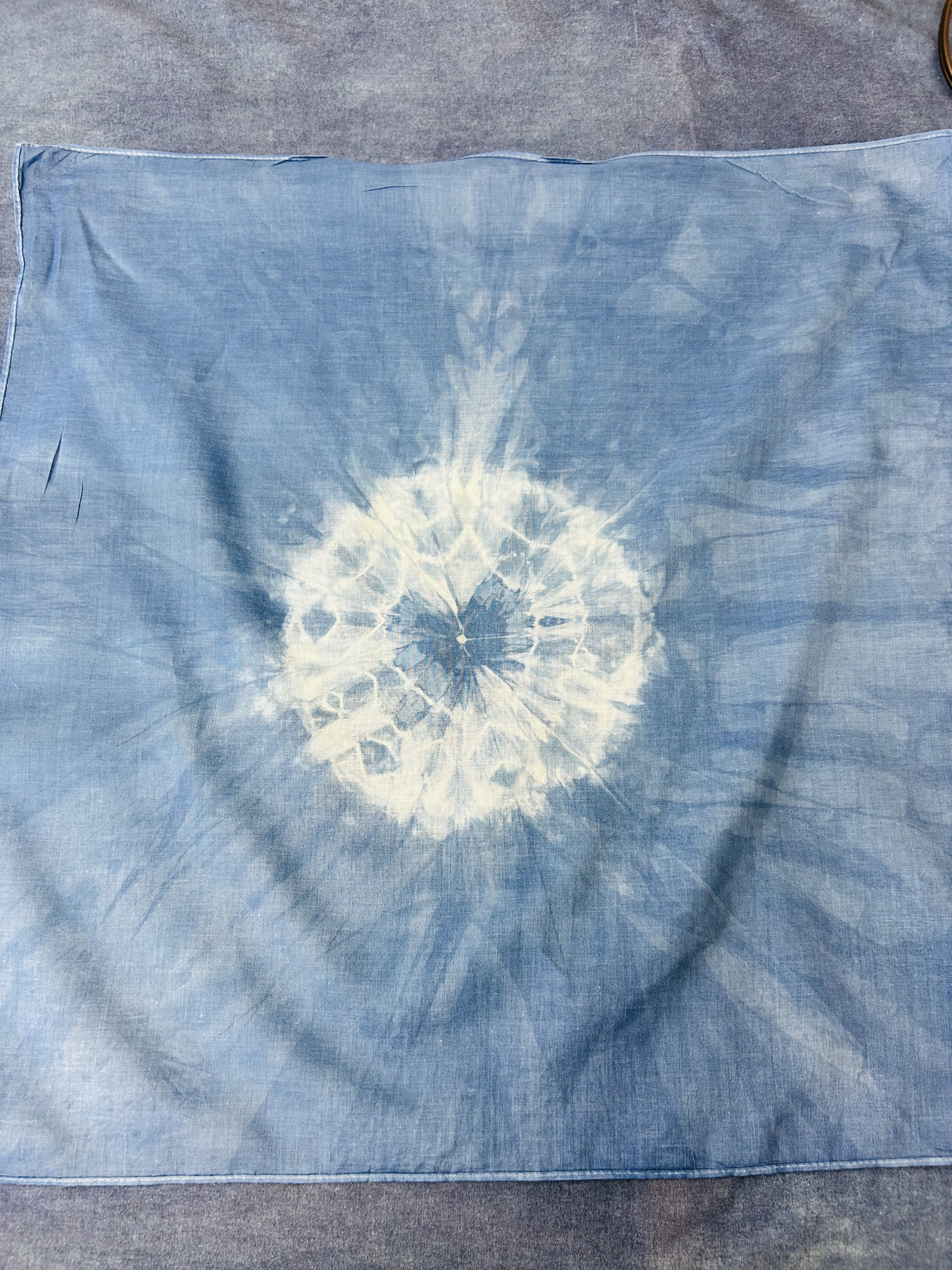
Quick answer: Tokushima is the traditional home of Japanese indigo, and you can try aizome (indigo dyeing) here in about 30–60 minutes. A handkerchief costs from about ¥1,000 and is the usual first project. The easiest option for a drop-in visit is Ai-no-Yakata in Aizumi, about 25 minutes by car from Tokushima Station (no booking needed for individuals; dyeing reception closes 15:30, closed Tuesdays). Most workshops in Tokushima city need advance booking, some by phone only and in Japanese.
I’ve dyed a handkerchief at a workshop in Tokushima city. I haven’t been to Ai-no-Yakata or the other workshops listed below, so those sections are what I’ve researched.
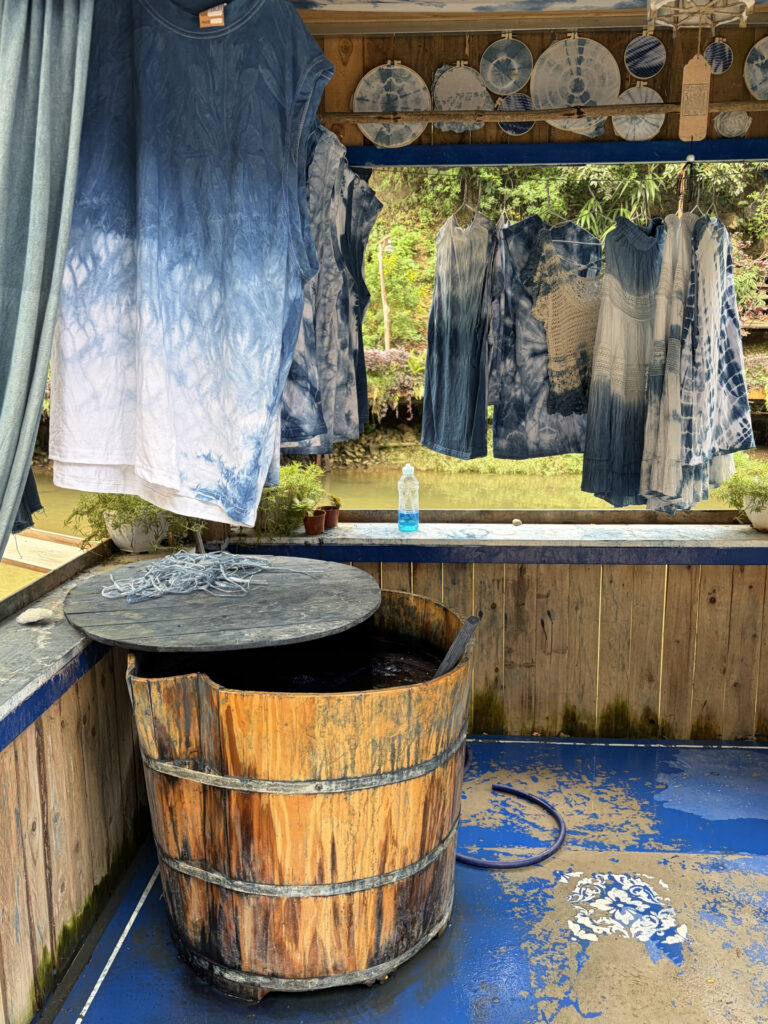
Indigo from Tokushima, known as Awa indigo (阿波藍), dominated the market across Japan in the 1700s. Indigo growing here peaked in 1903 at about 15,000 hectares. Tokushima still makes the majority of Japan’s sukumo, the fermented indigo leaves used for traditional dyeing.
You can still see traces of the trade in Tokushima city. Indigo warehouses once lined the Shinmachi River, and the place name Aibahama (藍場浜) comes from the indigo business. Indigo merchants also donated the large lanterns at Kotohira Shrine — see Konpira-san Steps Guide.
The phrase “Japan Blue” is attributed to the British chemist Robert William Atkinson, after his visit to Japan in the 1870s. More recently, Tokushima Prefecture points out that indigo was the colour of the Tokyo 2020 Olympic and Paralympic emblem.
Traditional Japanese indigo doesn’t start as a powder — it starts as a fermented leaf:
From planting to dyeing takes about a year.
In a beginner session you usually make a pattern by folding, tying or clamping the cloth, then dip it in the vat and rinse it. A handkerchief is the standard first piece; larger items take more time and cost more.
Official prices at Ai-no-Yakata:
| Item | Price |
|---|---|
| Handkerchief | from ¥1,000 |
| Hand towel, bandana, lace handkerchief, gauze tenugui | from ¥1,500 |
| Silk stole | from ¥2,000 (small), from ¥3,500 (large) |
| Gauze stole | from ¥3,000 |
Dyeing takes about 30 minutes there. Workshops in Tokushima city listed handkerchiefs at around ¥1,000–1,100 in the City’s 2020 leaflet, with sessions of about an hour — those prices may have changed.
Indigo dyeing in Tokushima isn’t widely listed on international booking sites. When checked on 1 November 2026:
If you’re going to Wakimachi anyway, see Wakimachi Udatsu Townscape — it was an indigo merchant town.
Ai-no-Yakata (藍住町歴史館 藍の館) is a museum in Aizumi town, a short drive from Tokushima city. It holds the Okumura family’s indigo-merchant house and about 100 traditional tools designated Important Cultural Properties. It reopened on 13 November 2022 after a year-long renovation, so articles from before then may be out of date.
There’s no shop on site — indigo goods are sold at Aiyashiki Okumura (藍屋敷おくむら), across the road.
These are listed in Tokushima City’s 2025 English indigo leaflet. Hours are from that leaflet; prices are from the City’s 2020 leaflet and may be outdated.
| Workshop | Hours / closed | Booking | Prices (2020) |
|---|---|---|---|
| Furusho Dyeing Factory (古庄染工場), Sako | 10:30–17:00 (dyeing 10:30–14:30). Closed Sun, holidays, Obon, New Year | Phone only | Handkerchief ¥1,000 (small) / ¥1,500 (large), tenugui ¥2,000, towel ¥2,500 |
| Aizome Studio Ruafu (藍染工房ルアフ), Yoshino-honmachi | Check when booking | Reservation only | Handkerchief ¥1,000, stole ¥2,300 (excl. tax) |
| Aizome Kōgeikan / Awa Yuzen Factory (藍染工芸館), Ōjin | 9:00–17:00 (dyeing 10:00–16:00). No regular closing day | Advance booking advised | Handkerchief ¥1,100 |
| Ranpuya / Okamoto Weaving (藍布屋), Kokufu | 10:00–16:00. Closed Sat, Sun, holidays | Book ahead (5+ days in 2020) | Handkerchief ¥1,000, T-shirt ¥3,800 (excl. tax) |
| Nagao Orifu (長尾織布), Kokufu | 9:00–16:00. Closed Sat, Sun, holidays | Required | Handkerchief ¥1,000, T-shirt ¥3,900 |
A few notes from the same sources:
For the rest of your day in the city, see One Day in Tokushima City.
Indigo stains skin and clothes, so:
Tokushima city is the easiest base for Ai-no-Yakata and the city workshops — see Where to Stay in Tokushima.
See also Kamikatsu: Japan’s Zero-Waste Town for another day out from Tokushima city.
Do I need to book indigo dyeing in Tokushima?
At Ai-no-Yakata, individuals don’t need to book. Most workshops in Tokushima city need advance contact, and some take bookings by phone only.
How much does it cost?
A handkerchief starts at about ¥1,000. Stoles and T-shirts cost more.
How long does it take?
About 30 minutes at Ai-no-Yakata, and about an hour at some city workshops.
Can I take my piece home the same day?
At Ai-no-Yakata, yes. Some workshops dry and post finished pieces, so ask when you book.
Can I book on Klook or GetYourGuide?
No Tokushima indigo listing was found on either. Viator lists a scarf experience in Wakimachi, and Jalan (in Japanese) sells the Ai-no-Yakata plan.
Prices, hours and booking details checked on the official Ai-no-Yakata, Aizumi Town, Tokushima City and Tokushima Prefecture websites on 1 November 2026. Tokushima city workshop prices are from the City’s 2020 leaflet and may have changed.