Kamikatsu: A Day Trip to Japan's Zero-Waste Town from Tokushima — Zero Waste Center WHY, Rice Terraces, RISE & WIN Brewery and a Hot Spring
Kai
Setouchi Notes
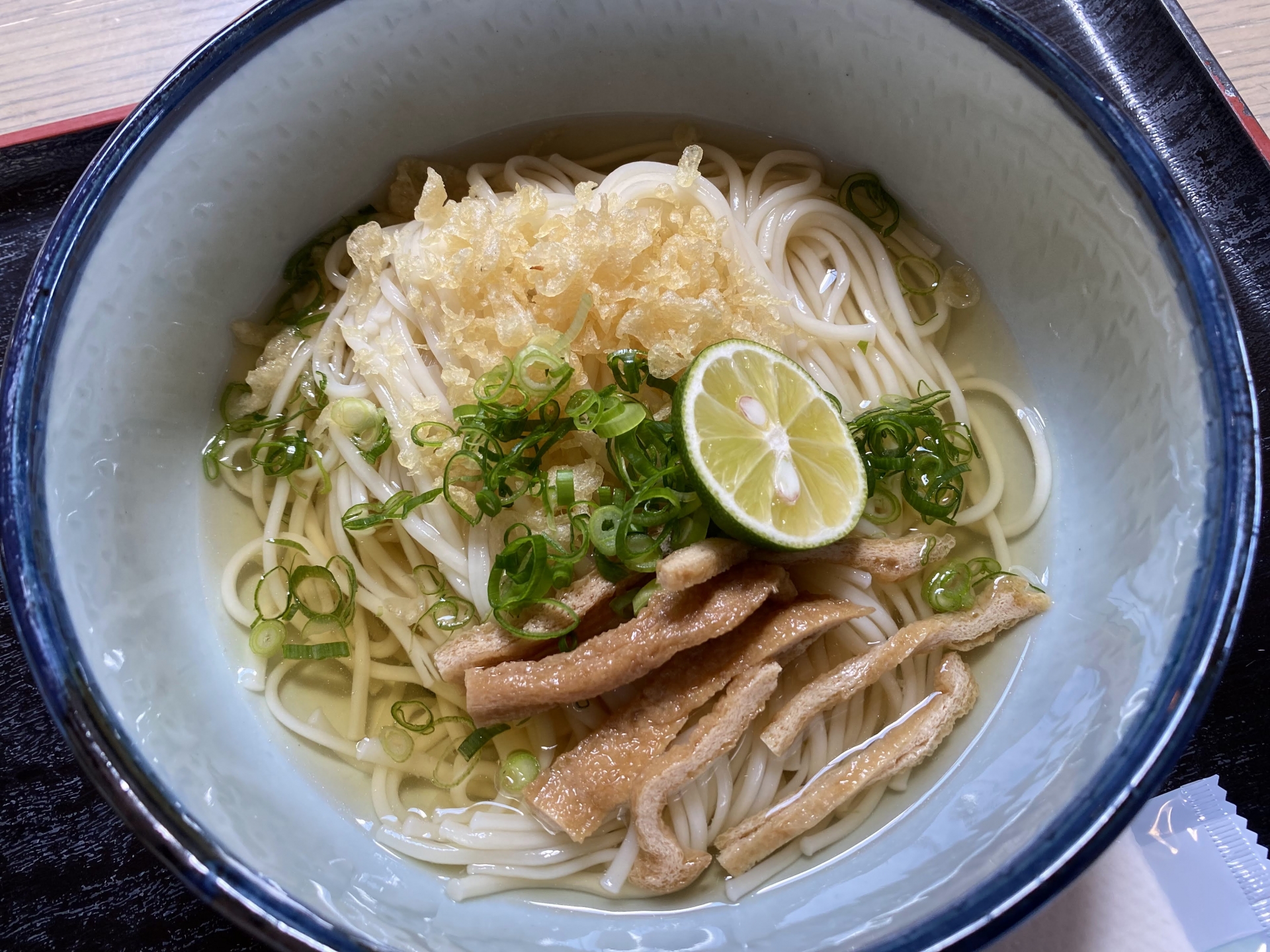
Quick answer: Handa somen (半田そうめん) are hand-stretched wheat noodles made in the Handa district of Tsurugi town, western Tokushima, for roughly 200 years. They’re thicker and firmer than ordinary somen. Eat them cold in summer or hot as nyumen in winter. Buy them at Michi-no-Eki Sadamitsu Yuyukan or the producers’ cooperative office in Handa (a 300 g bag is ¥540). Then walk Sadamitsu’s two-tier udatsu street — about 700 m and free — 10 minutes on foot from JR Sadamitsu Station, which the Limited Express Tsurugisan reaches from Tokushima in under an hour.
I eat Handa somen often at home, cold in summer. I’ve bought it from producers and shops, and I’ve walked the two-tier udatsu street in Sadamitsu. Here’s what makes these noodles different, where to buy them and how to fit Tsurugi town into a trip.
Hand-stretched somen has been made in Handa for about 200 years, since the late Edo period. One theory is that Yoshino River boatmen brought the technique from Miwa in Nara, by way of Awaji and Naruto. Handa is now the only somen-making area left in Tokushima, and “Handa somen” has been a registered regional brand since 2022.
Today there are around 20 family-run producers. Somen was traditionally made in the cold months, November to March, but production now runs all year.
Don’t expect to see racks of noodles drying in the sun. Most producers now dry indoors, and as of December 2024 only three producers still sun-dried their somen.
| Place | What you’ll find | Hours |
|---|---|---|
| Michi-no-Eki Sadamitsu Yuyukan (Sadamitsu) | Handa somen in the shop; the restaurant also serves it | Shop 8:30–18:00 (Apr–Oct), 8:30–17:30 (Nov–Mar), closed 3rd Wed. Restaurant closed every Wed |
| Handa Tenobe Somen Cooperative office (Handa) | Somen from different producers | Mon–Fri 8:30–17:00, Sat 9:00–12:00, closed Sun and holidays. Summer (1 Jun–31 Aug): Tue–Fri and Sun 9:00–18:00, Sat 9:00–12:00, closed Mon |
| Michi-no-Eki Mima no Sato (Mima City) | Handa somen | — |
| Tokushima Airport, 3F souvenir shop | One producer’s somen, on sale since June 2026 | — |
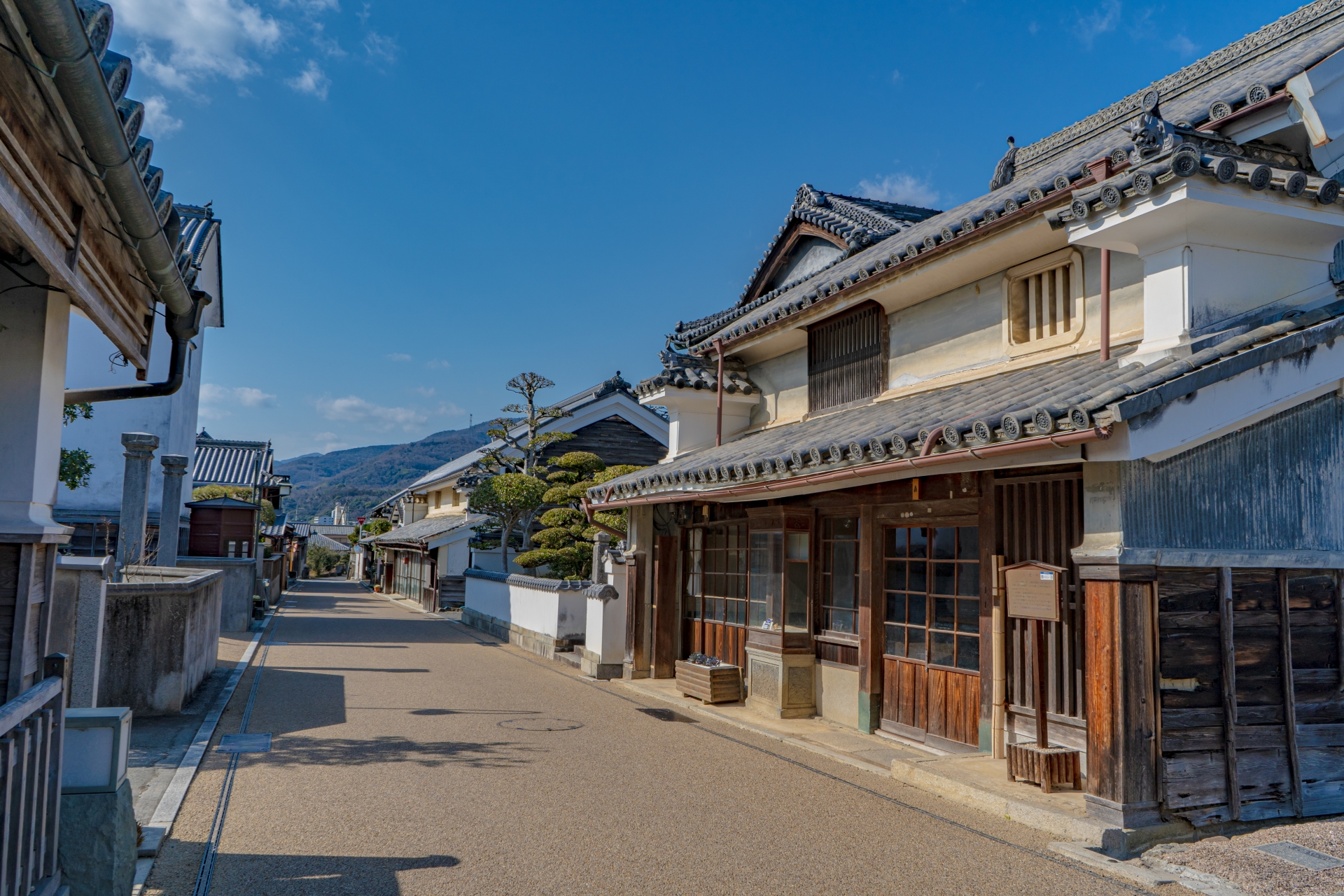
Udatsu are raised firewalls on the sides of old merchant houses. In Sadamitsu the front part of each udatsu sits lower than the back, making a two-tier (nisō) udatsu — a design that’s rare in Japan.
Merchants here grew rich on leaf tobacco and silk cocoons until about 1955, and they competed to build ever more decorative udatsu. Look out for the kote-e plaster reliefs of pines, hawks and tortoises. Some residents still run shops in the old buildings.
I’ve walked this street myself. Here’s what’s there:
About 11 km up Route 438 from Sadamitsu, Narutaki drops 85 m in three tiers — the tallest waterfall in Tokushima Prefecture. There’s a small car park with about six spaces.
See Renting a Car in Shikoku and Driving in Rural Shikoku.
See Where to Stay in Tokushima.
How is Handa somen different from ordinary somen?
It’s thicker (about 1.4–1.6 mm) and firmer, and it’s hand-stretched. It holds up well when boiled.
Where can I buy it?
At Michi-no-Eki Sadamitsu Yuyukan, the producers’ cooperative office in Handa, Michi-no-Eki Mima no Sato, or a souvenir shop at Tokushima Airport.
Can I see somen drying in the sun?
Probably not. Most producers now dry it indoors, and only three were still sun-drying as of December 2024.
Can I visit without a car?
Yes. Take the Limited Express Tsurugisan from Tokushima to Sadamitsu (about 52–56 minutes), then walk about 10 minutes to the udatsu street.
Shop hours, prices and train times checked on the Handa Tenobe Somen Cooperative, Tsurugi Town, Michi-no-Eki Sadamitsu Yuyukan and JR timetable websites on 29 October 2026.